
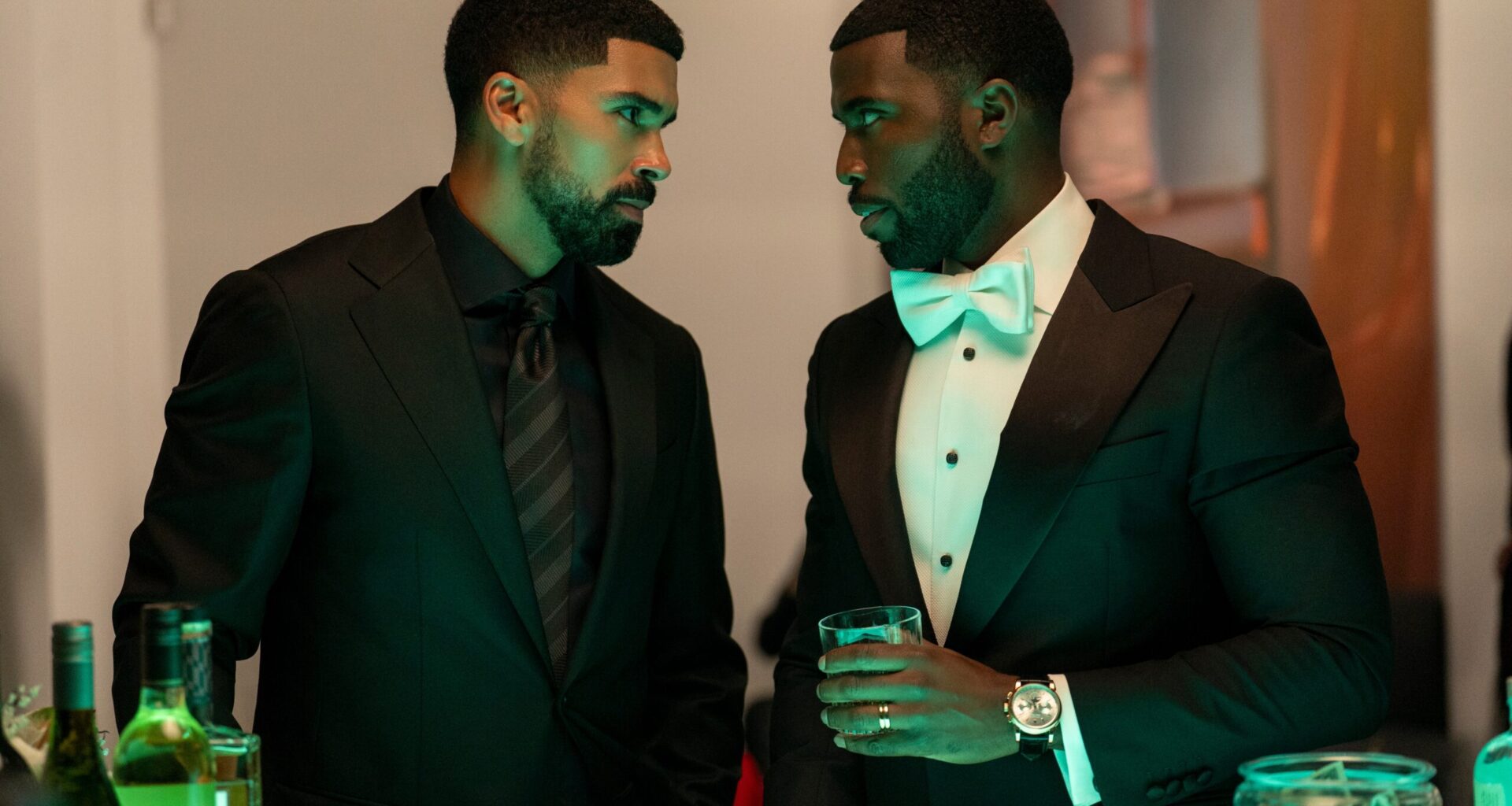
The series was filmed locally during season one as the creators said that the city is a character in the show and they are committed to filming in L.A.
Nemesis will return for a second season, Netflix announced Tuesday, an exciting development not only for fans of the show, but for the city, as its filming in Los Angeles could have a positive impact on the local economy in the midst of a production drought.
According to Forbes, the first season of the show was shot in L.A., which created hundreds of production jobs and generated millions of dollars in economic activity. Film and television production can stimulate economic growth by creating jobs in the industry and encouraging consumption from local vendors.
Nemesis is one of a few Netflix series filmed in L.A., including Nobody Wants This, Forever, The Lincoln Lawyer, the final season of The Night Agent, and the upcoming A Hundred Percent. But these shows are part of a small number still being shot in the home of Hollywood. Production has been leaving in droves to seek fairer winds overseas, as L.A. has not been able to compete with foreign tax credits and incentives.
Bringing production back to L.A. has been an initiative that L.A. Mayor Karen Bass and California Governor Gavin Newsom have been trying to promote. California’s April and March 2026 film and TV tax credits are expected to generate nearly $800 million in economic activity.
Co-creators of Nemesis, Courtney A. Kemp and Tani Marole told Forbes they were committed to filming in L.A. and remaining authentic to the L.A.-based story they were trying to tell.
“There was no other option,” Kemp told Forbes. “The story was always set here, though there was some conversation at one point about shooting it in a different state. Tani and I were both like, ‘Absolutely not. It needs to be here.’ L.A. is a character in the show.”
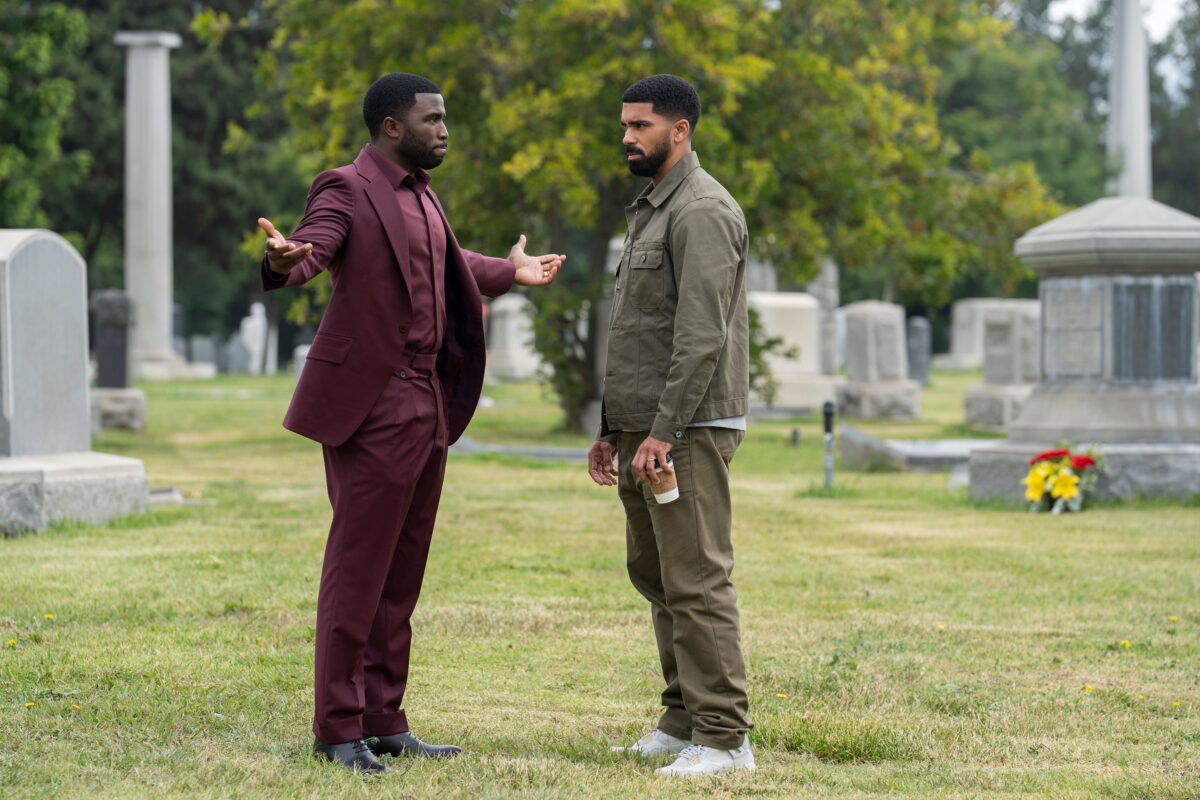 Credit: Saeed Adyani/Netflix © 2026
Nemesis follows Detective Isaiah Stiles (Matthew Law), in his pursuit of justice against thief Coltrane Wilder (Y’lan Noel) Setting the show in L.A. is integral to the story, as Kemp said in an interview with Deadline last month, “We were specifically trying to show parts of Black L.A. that you don’t see.”
Scroll to continue reading
“We wanted to be in View Park, we wanted to be in Baldwin Hills. We wanted to show people that there are these communities, and they are part of the history of L.A,” Kemp told Deadline.
The relationship between Stiles and Wilder is also developed through the geography of L.A. and the location of the neighborhoods they live in.
“The two Los Angeles neighborhoods Baldwin Hills and View Park are separated by a street called Stocker,” Marole told Tudum. “These are two very nice affluent neighborhoods that sit right on top and right on South Central. Courtney and I really thought it was a wonderful story to tell a tale of two people who are actually damn near neighbors, but you would never know.”
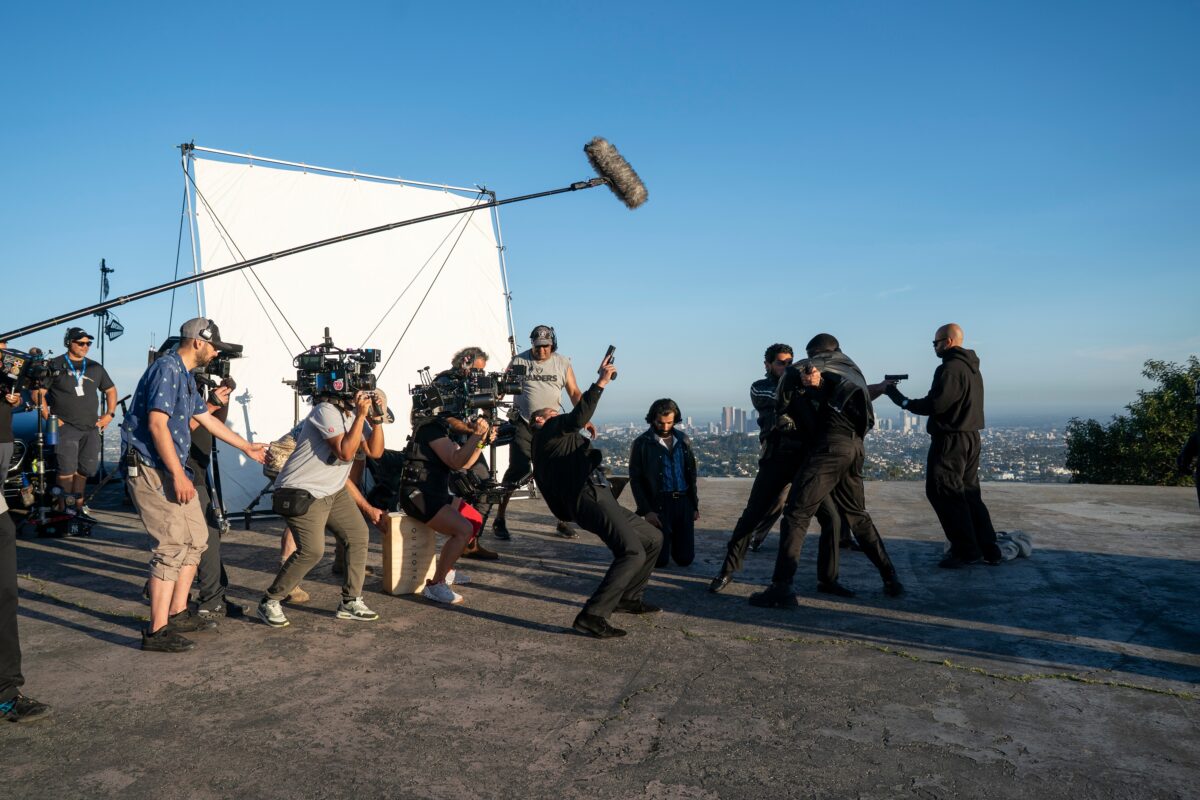 Credit: Saeed Adyani/Netflix © 2026
Aside from the fact L.A. plays such an important role in the show, Kemp told Deadline she is dedicated to supporting “some of the greatest artists in the world” both above and below the line by staying in L.A., though studios may try to promote production elsewhere.
“They will tell you, ‘Well, you have more budget. Your budget will go further if you go somewhere else.’ I don’t want to go somewhere else. I want to make shows here. I want to help people pay for college here,” Kemp told Deadline.
Filming the first season of the show in L.A. was difficult however, Kemp said, because the Eaton and Palisades fires began right before they started shooting.
“The hardcore work of getting a show shot in L.A., L.A. for L.A., getting an L.A. crew back to work, getting a Black and brown crew and everyone else, but really trying to keep this show in L.A. — that was hard as a showrunner,” Kemp told Deadline.
Still, the work paid off as the show has been picked up for a second season, which Marole said in a statement will be “bigger and better.”
“This show is really a love letter to the fans and a love letter to Los Angeles,” Kemp told Deadline. “I’m grateful that Tani and I were able to bring people entertainment, joy and most of all L.A. production jobs.”