
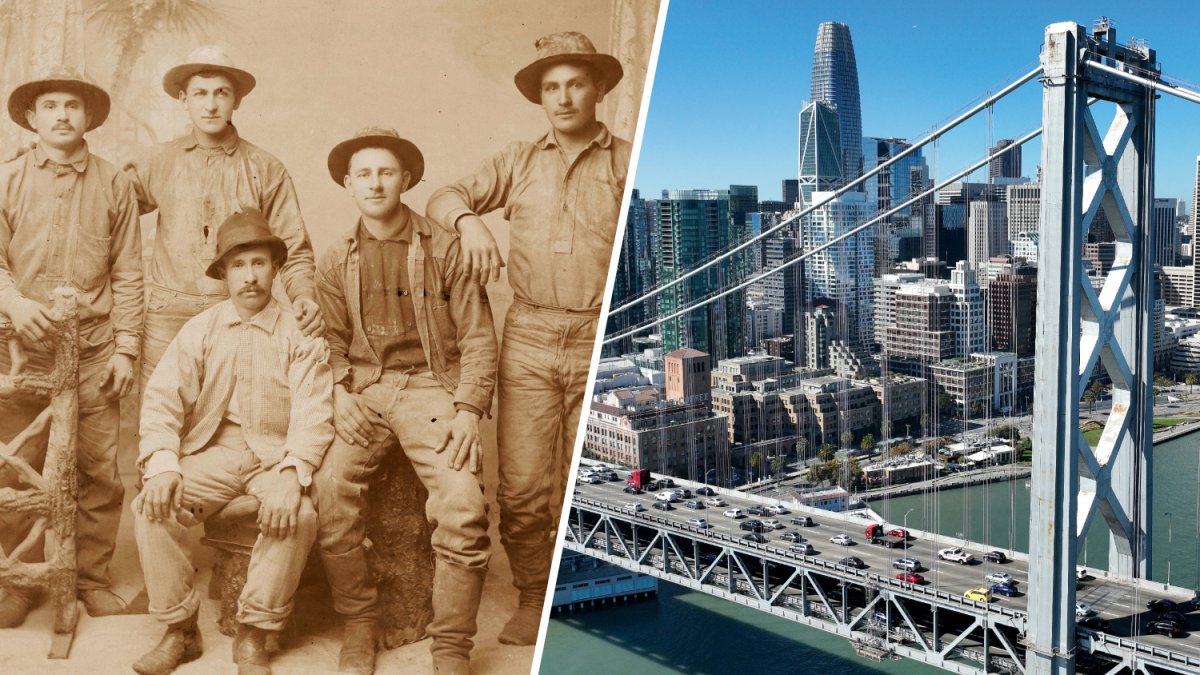
Even before San Francisco became San Francisco — or really anything more than endless sand dunes — people arrived seeking fortune.
Two hundred and fifty years ago, on June 27, 1776, the Anza Expedition wrapped up a 1,200 mile trek, landing in future San Francisco with the promise of land ownership. Their arrival was a tone-setter for the next 250 years. Less than a century later, the cry of gold drew many more dreamers to the burgeoning city hugging the bay.
“It comes in existence in this enormous boom,” said author and historian Gary Kamiya. “And then it has these cataclysmic booms and bust throughout its whole history.”
For Lance Beeson, a descendant of Lt. José Joaquin Moraga, who led the Anza Expedition the final leg of its journey, the colonizers did what people who make the pilgrimage to San Francisco have always done.
“There is a commonality present in the history of San Francisco, is people come here seeking their fortune,” Beeson said. “And that’s exactly what they did.”
National ArchivesNational Archives
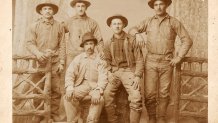
Nearly a century after the arrival of the Anza Expedition in San Francisco, the cry of gold lured thousands to San Francisco.
It’s fitting San Francisco’s official shield features a mythological phoenix. The city burned down several times even before the 1906 earthquake and fire leveled the place. By then it had also rebounded from a financial collapse in the 1870s brought on by the Panic of 1873.
After the 1906 disaster, the city rebuilt itself once again — hosting the 1915 Panama Pacific International Exposition to celebrate the completion of the Panama Canal, as well as the city’s own tenacity.
“The boom and bust cycles continue,” said Kamiya. “The city rebuilds, becomes very prosperous, then it goes into the Great Depression like the rest of the country. And then we have the successions of the dot-com booms and busts.”
Remember Web Van? The food delivery service touted as a symbol for the dot-com boom and bust in the early 1990s? The liquidation sale included basketball hoops, ping pong tables alongside multi-thousand dollar office chairs. The bust hit with a pretty significant thud. A second dot-com boom — followed by a precipitous pandemic plummet. Now AI has scribbled yet another financial peak. Who knows what comes next?
“San Francisco has sort of a character of repeated sort of attempts at raising your fortunes,” opined Kari Jones, archaeologist at the Presidio, where the Anza party settled.
Beyond its peaks and valleys, San Francisco has always been a place that attracted thinkers and dreamers, doers and shakers. Television was born here. Sourdough bread, too. The LGBT movement. Levi’s jeans. Poets and politicians. Bankers and beats. Jack Kerouac described the area as the end of the continent where nobody gave a damn. A license to aim big.
“San Francisco has a deep strain of being intensely individualistic,” said Kamiya. “It was founded by people that didn’t have to deal with the manners and mores of the East Coast when they came out here.”
Joe Rosato Jr./NBC Bay AreaJoe Rosato Jr./NBC Bay Area
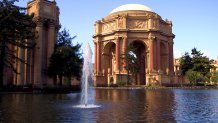
The Palace of Fine Arts was built for the 1915 Panama Pacific International Exposition, a celebration of San Francisco’s return from the 1906 earthquake and fire.
Even the arrival of the Anza Expedition 250 years ago signaled a mixed blessing of sorts — while the colonists found prosperity, the indigenous tribes living in the area saw their way of life stamped out. There’s never been a pure payoff in San Francisco without a rub.
“I think we should all be thankful for the fact that Anza and his men discovered this,” said Kamiya, sweeping his gaze along the Financial District skyline. “The tragedy of the native people notwithstanding.”