
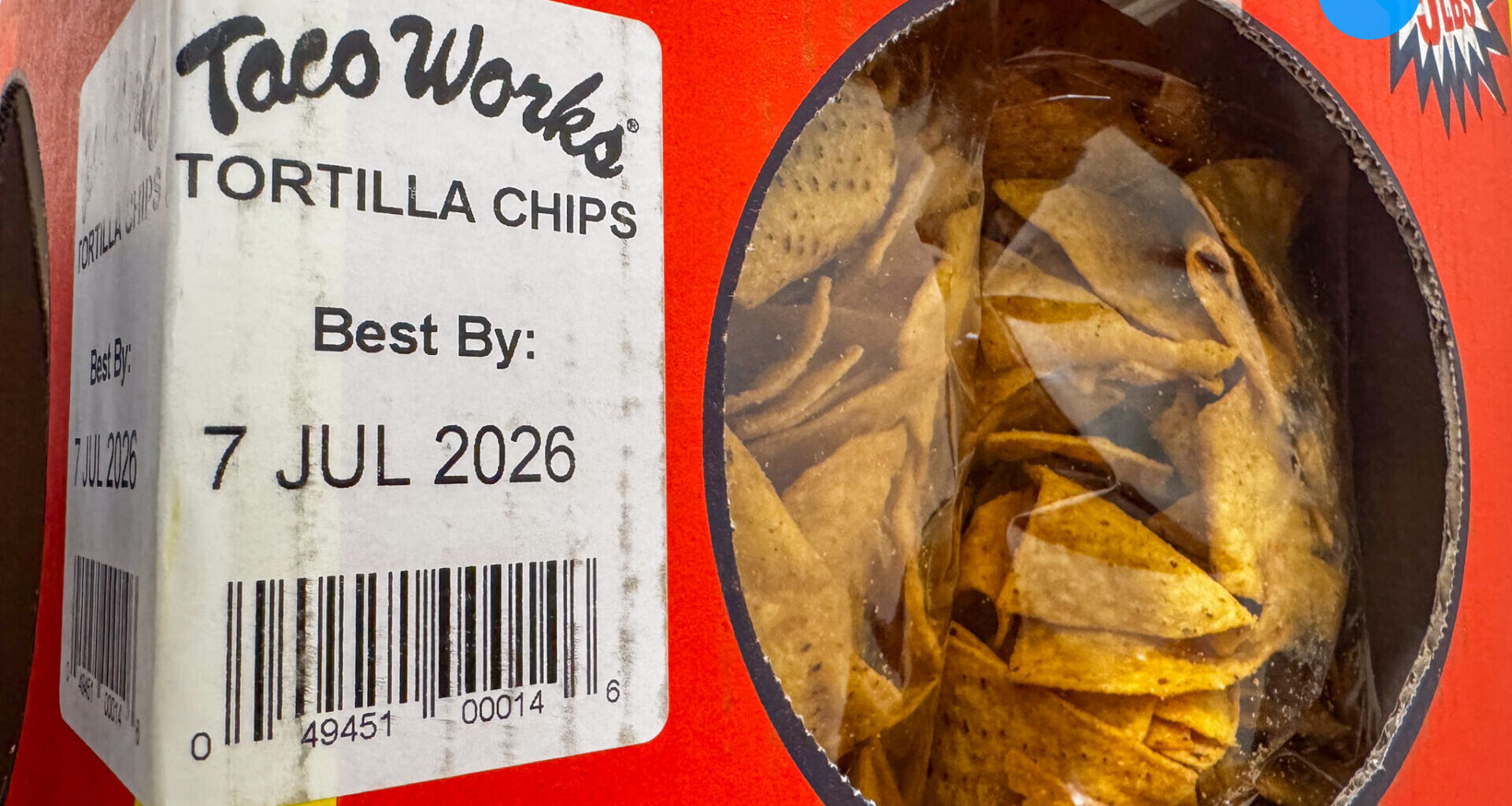
CALIFORNIA (VVNG.com) — A new California law aimed at reducing food waste and eliminating consumer confusion over expiration dates took effect Wednesday, July 1, requiring standardized date labels on many packaged foods sold throughout the state.
Assembly Bill 660 (AB 660), signed into law by Gov. Gavin Newsom in 2024, makes California the first state in the nation to establish uniform consumer-facing food date labels.
Under the new law, manufacturers using date labels on packaged food products sold in California must use one of four standardized phrases:
Best if Used By
Best if Used or Frozen By
Use By
Use By or Freeze By
Under the law, labels beginning with “Best if Used By” are intended to indicate when a product is at its highest quality in terms of flavor, texture or freshness. The date is not an indication that the food becomes unsafe to eat after that point if it has been stored properly.
Labels using “Use By” are reserved for foods where the date is intended to communicate a food safety concern and are generally used for highly perishable products.
The new law also prohibits manufacturers from using a variety of inconsistent date phrases that have long caused confusion among consumers, including “Sell By,” “Expires On,” “Best Before,” “Freshest Before” and similar wording. Retailers may continue using coded “sell by” information for inventory management that is not intended for consumers.
State officials say the change is designed to reduce unnecessary food waste. According to the California Department of Food and Agriculture, confusion over food date labels contributes to an estimated 20% of consumer food waste, with many people discarding perfectly edible food because they mistakenly believe quality dates indicate a product has expired.
The law does not require manufacturers to add date labels to products that previously did not have them. Instead, it standardizes the language used whenever a date label is voluntarily included or otherwise required.
Certain products are exempt from the law, including infant formula, eggs and pasteurized in-shell eggs, beer and other malt beverages, which are subject to separate federal or state labeling requirements.
California officials hope the standardized labeling system will help consumers make more informed decisions, reduce food waste and save money by clarifying the difference between food quality and food safety.
Copyright 2026 Victor Valley News Inc. All rights reserved. This material may not be published, broadcast, rewritten, or redistributed.
📢 Stay connected with the High Desert’s largest news community!
🔗 For more local news, visit VVNG.com.
Note to readers: If you value our reporting and want to see it continue, consider becoming a monthly supporter. Your contribution helps keep independent, local news accessible to everyone. Support local news today!