
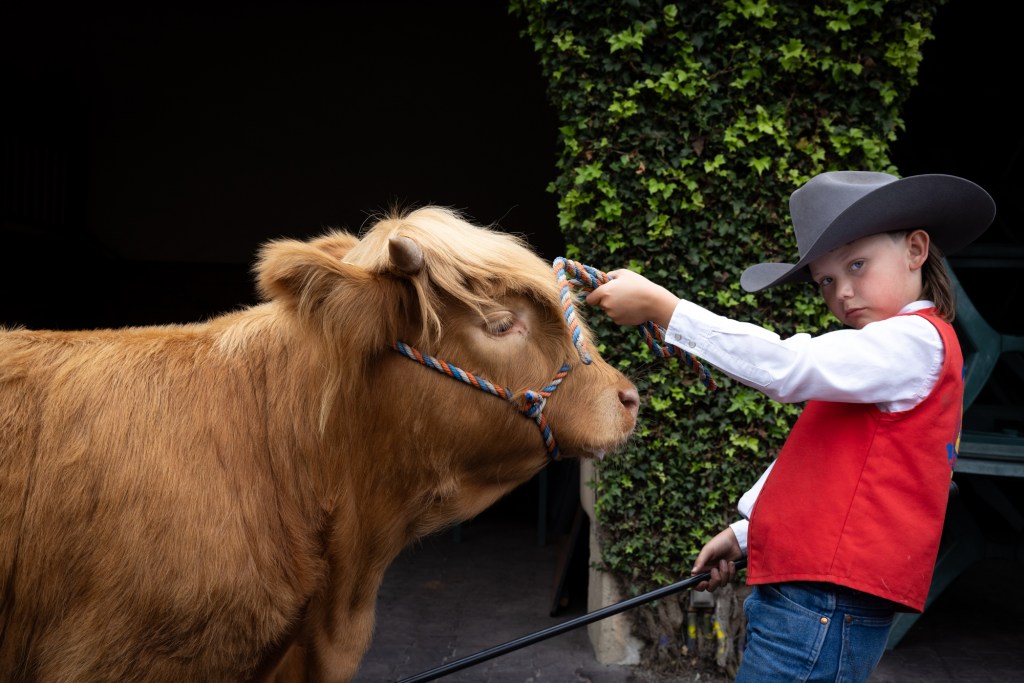
This year’s San Diego County Fair, which is now underway at the Del Mar Fairgrounds, concludes on Sunday. Over the history of the fair’s junior livestock show, many changes have taken place. In the early years, exhibitors slept in the barns. During the 1980s, we dealt with aging facilities and limited electrical power. In the 2000s, exhibitors often spent eight to 11 days at the fair. Now they are there for only six days.
Back then, a continuous 11-day livestock run at the fairgrounds was a challenge for the kids, their families and the junior livestock department. It took a lot of effort to keep the exhibitors engaged, the animals cared for and the parents sane. Today, however, the shortened schedule has created the opposite problem. Every day is packed with activities, and it feels like trying to fit 50 pounds of manure into a 30-pound bag. Late starts, classes running well into the evening, disrupted feeding and care schedules, and rushed events left many exhibitors and families disappointed.
In my opinion, the 22nd District Agricultural Association Board of Directors — not the junior livestock department — has missed the mark.
The focus appears to have shifted toward maximizing revenue, while the junior livestock program has become little more than a way to fill a barn. The educational and community aspects that once made the program so special have gradually disappeared.
The junior livestock show was once about much more than competition. Exhibitors created educational displays and information boards to teach fairgoers about agriculture and animal husbandry. Chapters competed for the best educational exhibits and decorated their barn areas to match the fair’s annual theme. Visitors could walk through the barns, talk with exhibitors, ask questions and learn firsthand about the dedication, responsibility and hard work that goes into raising a market animal. Those interactions were often just as valuable as the competition itself.
Today, the public is funneled down a single aisle, where they get only a brief glimpse of a limited number of animals. Having one show ring for every species creates scheduling conflicts, long days for exhibitors, unnecessary stress on the animals, and additional challenges for staff and volunteers. The limited space also prevents spectators from fully enjoying or understanding the junior livestock program.
We need to return to a layout that allows the public to experience the barns as they once did. Reopening the second barn, bringing back multiple show rings and creating safe, designated walkways would improve safety while allowing visitors to see the animals up close, observe exhibitors caring for and grooming their projects, and interact with the young people who have invested months of hard work into these animals. With more space and better access, the fair could once again fulfill its educational mission while providing a better experience for exhibitors, visitors and staff alike.
The junior livestock show has never been just about winning ribbons. It is a tradition that has been part of county fairs across America for well over a century. For generations, people from 9 to 90 who have exhibited livestock have carried lifelong memories of the friendships they made, the lessons they learned and the pride they felt walking into the show ring. Those experiences help shape responsible, hardworking young adults.
Let’s not allow those traditions and opportunities to fade away. We owe it to today’s youth to preserve the educational, agricultural and community values that have made the junior livestock show such an important part of the county fair experience for generations.
Baker, a youth agriculture advocate, lives in Valley Center.