
The Supreme Court this week upheld birthright citizenship, in a rejection of President Donald Trump’s effort to declare that children born to people in the United States temporarily or illegally are not American citizens. The issue of birthright citizenship in the U.S. has a special connection to California. Norman Wong’s family history is similar to many American families. It’s a history of military service, blended families, birthday parties and, yes, immigration. (See the interview from our previous coverage in the video above.)What sets his lineage apart is a deep connection to the 14th Amendment of the U.S. Constitution. Wong is the descendant of Wong Kim Ark.”He was my great-great-grandfather,” Wong said. Read more about the history of birthright citizenship in California here.Wong learned about his great-great-grandfather later in life. It’s a story his father didn’t share often, and Wong wishes he knew more. “I don’t know if fully realized the importance of it,” Wong said. “When I first heard it, I didn’t know how important it was because, to me, it was presented as old history. Done and settled.”Wong Kim Ark was born in 1873 on Sacramento Street in San Francisco’s Chinatown neighborhood. His parents were Chinese immigrants. At some point, the family returned to China. When Wong Ark Kim made his way back to San Francisco, he was in his 20s, and he was denied entry into the country he was born in. He was told he wasn’t a citizen. But he fought back, and his case made its way to the United States Supreme Court in 1898. It resulted in a landmark decision, setting the precedent for birthright citizenship as defined by the 14th Amendment. “I think all of us have a certain amount of pride that he did that,” Wong said. “The thing he was willing to do was stand up. A lot of people aren’t willing to stand up.”But he said his great-great-grandfather’s legacy “means nothing if all of a sudden the rights disappear.”On the day of his inauguration, Trump signed an executive order that would ban birthright citizenship. The constitutionality of that executive order has been questioned and challenged. A federal judge temporarily blocked the order before the Supreme Court made its 6-3 decision on Tuesday. In speaking to KCRA 3 last year, Wong was weary that an American right so intertwined with his family’s history could be taken away. He said he planned to continue the fight his great-great-grandfather started.”I find this stuff actually invigorating. I feel like I live for a reason. I think maybe the spirit of Wong Kim Ark was in me,” Wong said. “We should stand up when we see something wrong.” See more coverage of top California stories here | Download our app | Subscribe to our morning newsletter | Find us on YouTube here and subscribe to our channel | Make KCRA a preferred news source in Google PHNjcmlwdCB0eXBlPSJ0ZXh0L2phdmFzY3JpcHQiPiFmdW5jdGlvbigpeyJ1c2Ugc3RyaWN0Ijt3aW5kb3cuYWRkRXZlbnRMaXN0ZW5lcigibWVzc2FnZSIsKGZ1bmN0aW9uKGUpe2lmKHZvaWQgMCE9PWUuZGF0YVsiZGF0YXdyYXBwZXItaGVpZ2h0Il0pe3ZhciB0PWRvY3VtZW50LnF1ZXJ5U2VsZWN0b3JBbGwoImlmcmFtZSIpO2Zvcih2YXIgYSBpbiBlLmRhdGFbImRhdGF3cmFwcGVyLWhlaWdodCJdKWZvcih2YXIgcj0wO3I8dC5sZW5ndGg7cisrKXtpZih0W3JdLmNvbnRlbnRXaW5kb3c9PT1lLnNvdXJjZSl0W3JdLnN0eWxlLmhlaWdodD1lLmRhdGFbImRhdGF3cmFwcGVyLWhlaWdodCJdW2FdKyJweCJ9fX0pKX0oKTs8L3NjcmlwdD4=
The Supreme Court this week upheld birthright citizenship, in a rejection of President Donald Trump’s effort to declare that children born to people in the United States temporarily or illegally are not American citizens.
The issue of birthright citizenship in the U.S. has a special connection to California.
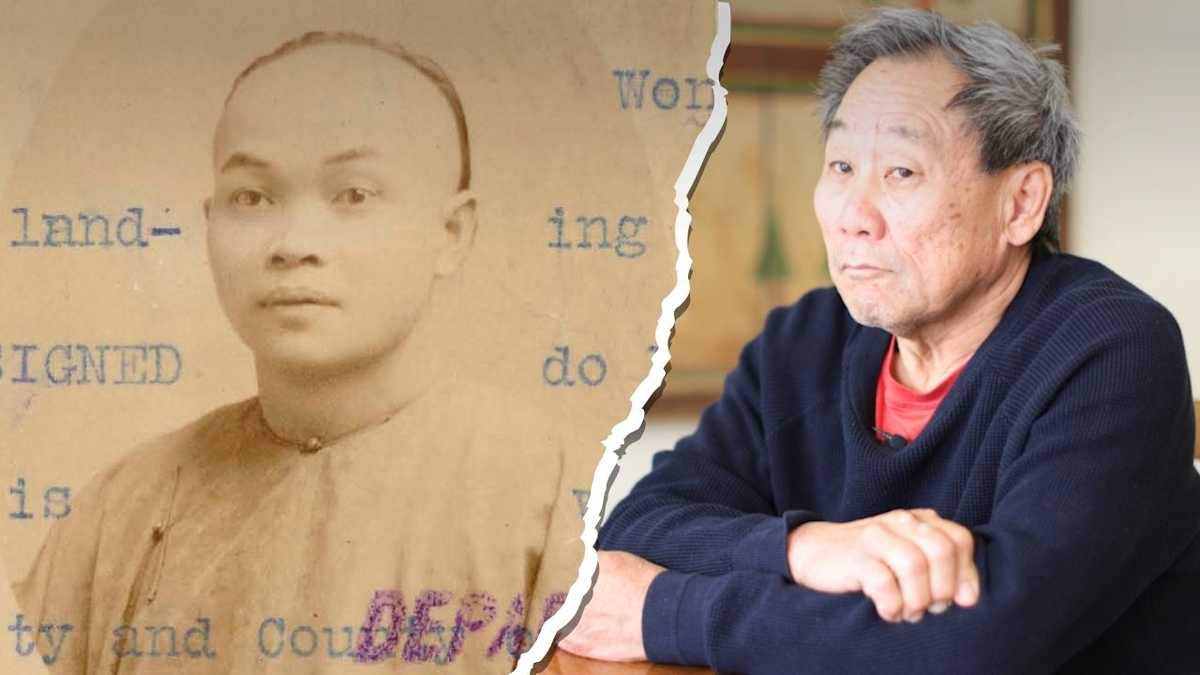
Norman Wong’s family history is similar to many American families. It’s a history of military service, blended families, birthday parties and, yes, immigration.
(See the interview from our previous coverage in the video above.)
What sets his lineage apart is a deep connection to the 14th Amendment of the U.S. Constitution.
Wong is the descendant of Wong Kim Ark.
“He was my great-great-grandfather,” Wong said.
Wong learned about his great-great-grandfather later in life. It’s a story his father didn’t share often, and Wong wishes he knew more.
“I don’t know if [my father] fully realized the importance of it,” Wong said. “When I first heard it, I didn’t know how important it was because, to me, it was presented as old history. Done and settled.”
Wong Kim Ark was born in 1873 on Sacramento Street in San Francisco’s Chinatown neighborhood. His parents were Chinese immigrants. At some point, the family returned to China.
When Wong Ark Kim made his way back to San Francisco, he was in his 20s, and he was denied entry into the country he was born in. He was told he wasn’t a citizen.
But he fought back, and his case made its way to the United States Supreme Court in 1898. It resulted in a landmark decision, setting the precedent for birthright citizenship as defined by the 14th Amendment.
“I think all of us have a certain amount of pride that he did that,” Wong said. “The thing he was willing to do was stand up. A lot of people aren’t willing to stand up.”
But he said his great-great-grandfather’s legacy “means nothing if all of a sudden the rights disappear.”
On the day of his inauguration, Trump signed an executive order that would ban birthright citizenship. The constitutionality of that executive order has been questioned and challenged. A federal judge temporarily blocked the order before the Supreme Court made its 6-3 decision on Tuesday.
In speaking to KCRA 3 last year, Wong was weary that an American right so intertwined with his family’s history could be taken away. He said he planned to continue the fight his great-great-grandfather started.
“I find this stuff actually invigorating. I feel like I live for a reason. I think maybe the spirit of Wong Kim Ark was in me,” Wong said. “We should stand up when we see something wrong.”
See more coverage of top California stories here | Download our app | Subscribe to our morning newsletter | Find us on YouTube here and subscribe to our channel | Make KCRA a preferred news source in Google