
As the United States celebrates its 250th anniversary this weekend, one of its defining ideals is facing renewed scrutiny: The American Dream.
It has long been associated with hard work leading to a better life, but for many Americans, rising living costs, expensive housing and economic uncertainty are forcing a reassessment of what success looks like.
What You Need To Know
Americans are increasingly redefining what the American Dream means in today’s economy
Many say rising housing prices and the cost of living are making upward mobility more difficult for many families
Yet an immigrant business owner says opportunity remains one of America’s greatest strengths
Younger professionals are reconsidering traditional milestones like homeownership
Conversations with people across Southern California reveal there is no single answer. Some believe opportunity remains as strong as ever. Others say the path has become steeper, with financial security increasingly difficult to achieve even for those with stable careers.
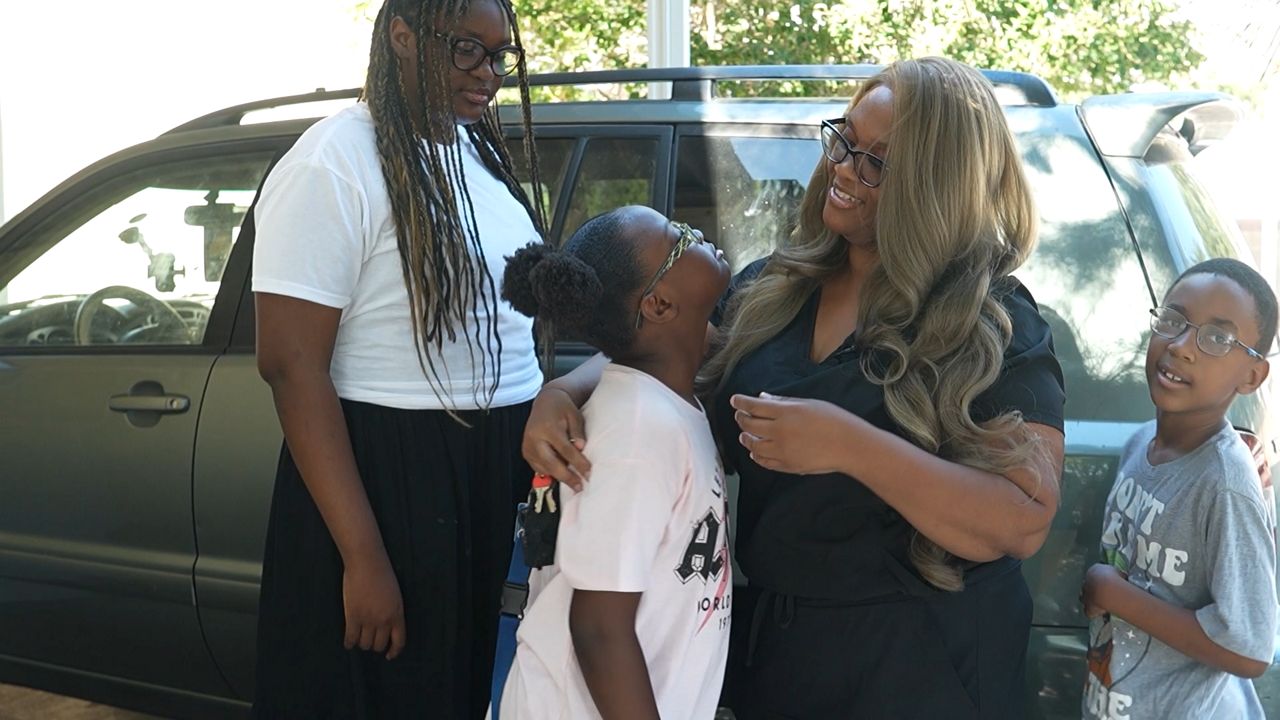
For nurse Carrie Walker, the challenge is keeping her family afloat. She commutes about 160 miles round trip between Lancaster and Los Angeles to capitalize on lower housing costs while maintaining higher city wages.
But when fuel prices climbed this winter, she began sleeping in her car or a parking structure between shifts to save money and avoid the long drive home.
Walker said she works harder than ever but still struggles to cover her mortgage, groceries and other household expenses. Rather than feeling like she is building a better future, she worries she is simply trying to stay in place. Her experience reflects broader concerns about whether upward social mobility is becoming harder to achieve.
For Tina Vo, the American Dream tells a different story. After immigrating from Vietnam as a single mother of four, she built a business and eventually became a U.S. citizen.
Vo says the United States gave her opportunities she never imagined possible. Years of sacrifice and long hours helped her provide for her children, who have gone on to careers in healthcare and law enforcement. She believes the country’s greatest strength remains the opportunity for people willing to work toward their goals.
Housing is another defining issue for younger generations. Nate Harding and Kelly Peterson hope to buy a home and start a family near relatives on Los Angeles’ Westside. Despite successful careers as attorneys, they question whether homeownership remains realistic.
Instead, they are exploring additional income streams and even reconsidering whether renting indefinitely may be the smarter financial decision.
Their stories illustrate how the American Dream has become increasingly personal. For some, it is defined by opportunity and entrepreneurship. For others, it is measured by financial stability or the hope of owning a home. Two hundred fifty years after the nation’s founding, the dream continues to evolve, shaped by changing economic realities and individual experiences.