
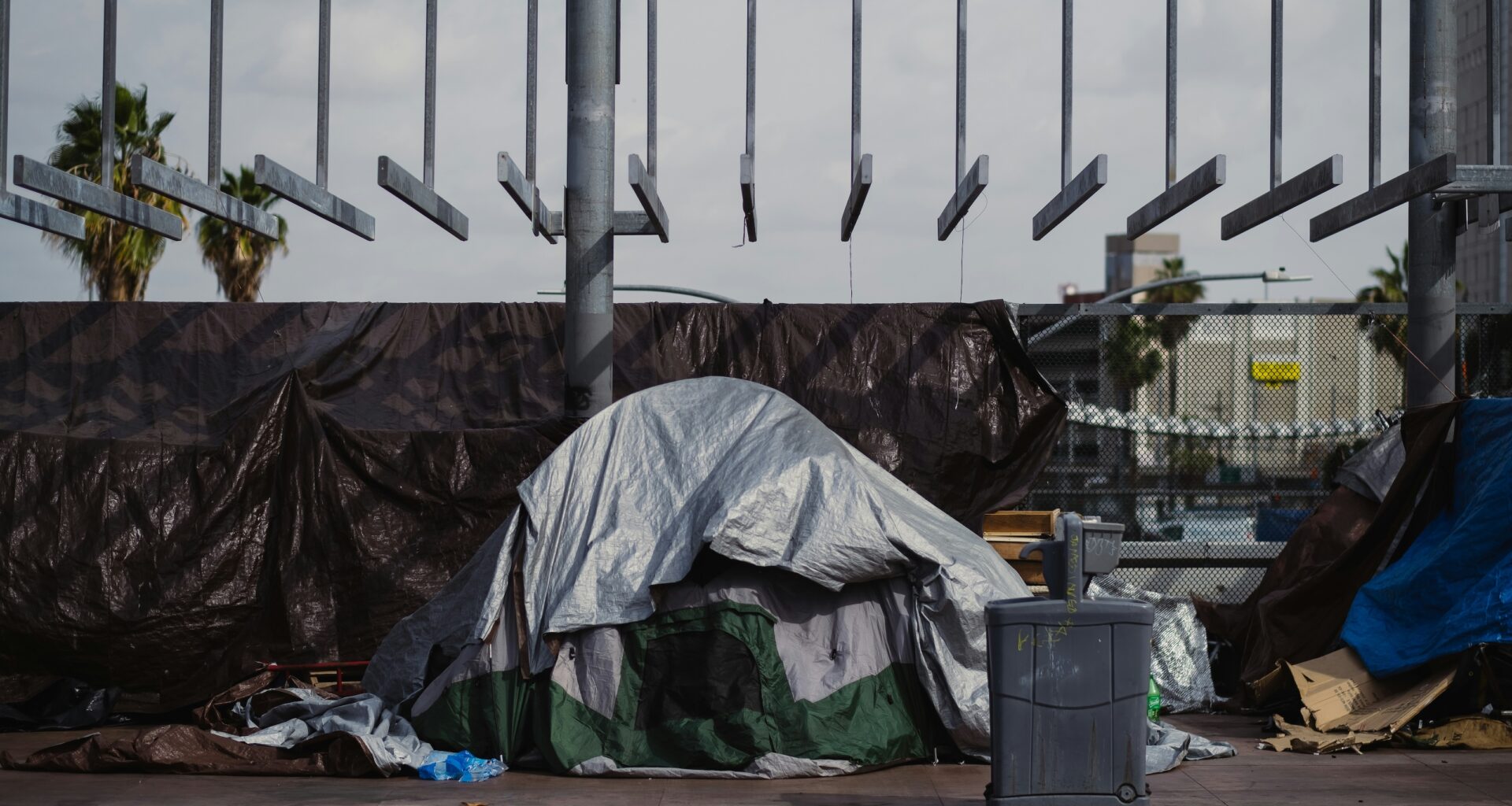
Sociology Professors G. Cristina Mora and Tianna Paschel were featured in an article in CalMatters titled, “They asked 6,000 Californians about inequality and learned how we live with it.”
In their new book, UC Berkeley sociologists G. Cristina Mora and Tianna S. Paschel set out to understand how we make sense of the difference between the California we see in the movies and the California we see while we’re driving our kids to school.
The authors of Normalizing Inequality: How Californians Make Sense of the Growing Divide, discovered that inequality isn’t something we fail to notice. We recognize it, and then we rationalize it in one of three ways:
Exceptional framing, where people believe their hard work and perseverance will break the norms.
Spatial comparison, such as “at least it’s better here than in Mexico.”
Bounded blame, a way of pinning structural failures on the poor, homeless or undocumented.
For both Mora and Paschel, their work is deeply personal. Both are daughters of (im)migrants who were raised in California. Mora grew up on the northeastern edge of Los Angeles County with her parents from Michoacán. Paschel’s family moved from Flint, Michigan and she was raised, as she puts “in the parts that most people don’t care to know about and don’t know to care about,” like Fresno, Bakersfield and Sacramento.
Their research was based on surveys of more than 6,000 Californians and more than 100 in-depth interviews.