
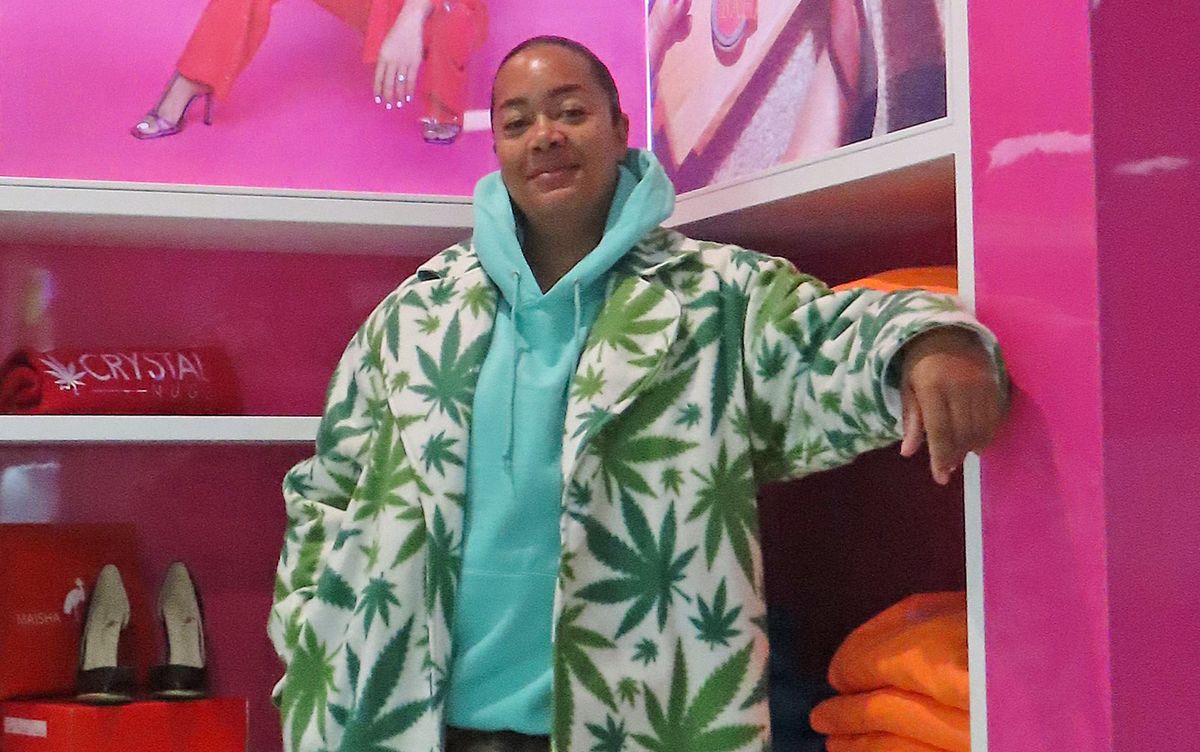
Charles Burton of Chico’s Best, a locally-grown cannabis brand, made an argument for the efficiency of micro-businesses, saying that the current redundancies of licenses, fees and meeting compliance standards are labor-intensive, cost consuming and not needed.
Holding up fingers to the councilmembers, Burton explained the different license stages one cannabis product goes through before a consumer can purchase it.
“It takes one license to grow it, then it goes to a manufacturer, and another license, who puts it in a bag,” said Burton. “From the bag it goes to get tested, another license, then it goes to a distributor who holds it, then to the fifth license, a dispensary to sell it.”
Councilmember Addison Winslow asked Garrett Norman about the extra license and fee costs, wondering out loud if allowing micro-businesses might reduce expenses for some smaller growers.
Norman, who has previous experience working in Sacramento on cannabis compliance, answered that “the micro business is a carve-out, if you will, that the state allowed where you can combine multiple of these license types. There are some other limitations with it,” he said, “but as the other commenters were saying, there is the ability to merge a lot of these licenses into a single one, so it reduces administrative costs.”
Councilmember Katie Hawley, who first brought commercial growing to the council’s attention, asked if allowing micro-businesses could be added to the motion. She was advised to wait and bring it up as a new agenda item for a future city council meeting.
But not everyone involved in Chico’s cannabis industry favors micro-businesses because they may lead to unfair competition through this vertical integration. While making it fair to some businesses, it can create equal unfairness for others, such as stand-alone dispensaries and small craft growers.
“Concepts like vertical integration tend to get floated as solutions to problems that don’t exist,” said Tim Dodd, co-founder and CEO of Sweet Flower dispensary in Chico. “In practice, vertical integration has not only not improved outcomes for consumers or the community, but in many cases has actually weakened local programs and made them less competitive.”
Dodd asserted that “there are three local retailers serving Chico well in a highly competitive space, hiring locally, giving back to our community here meaningfully and there isn’t a retail gap that needs fixing.”
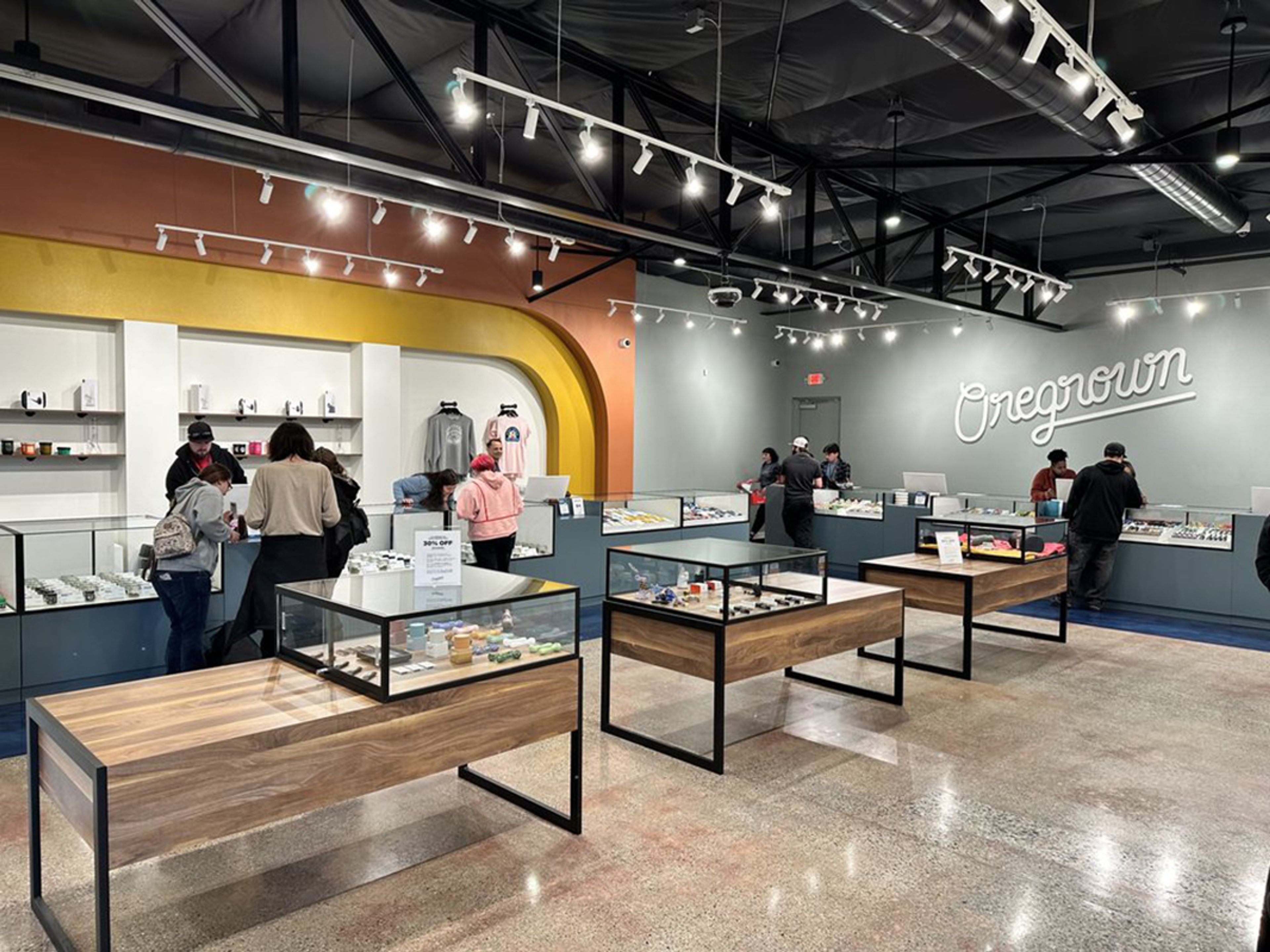 Oregrown Chico dispensary interior.Photo courtesy of Oregrown.The Chico City Council vote to allow commercial growing
The Principal Planner’s report identified areas within Chico’s commercially zoned neighborhoods where the cultivation sites could be located.
Councilmember Winslow addressed concerns about the proper placement of cannabis grow operations within industrial parks and the odor of outdoor cannabis grow operations. “I can see outdoor not happening, but I don’t see any reason to preclude it.”
Councilmember Mike O’Brien, Chico’s former police chief, spoke passionately in opposition. His concerns revolve around drug cartels and foreign national crime organizations, citing Drug Enforcement Administration data that shows “hundreds of millions of dollars” are generated for them right here in Butte County.
“And make no mistake, that money funds violence, human trafficking and the development of fentanyl and methamphetamine that kills thousands of people in our country,” said O’Brien.