
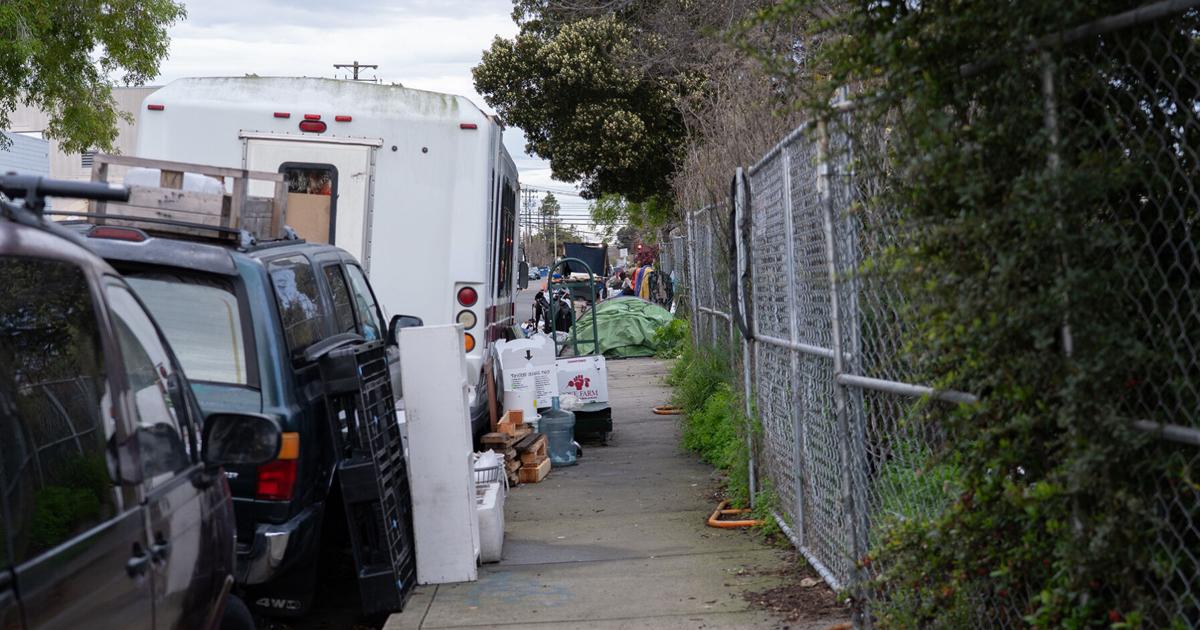
In a meeting Tuesday, the Berkeley City Council asked the city manager to draft a policy recommendation to address safety and environmental impacts related to “abandoned” vehicles, especially RVs, parked in the public right-of-way. Critics worry that the potential policy would push people currently living in vehicles onto the streets without providing adequate support to residents who are unhoused.
Other major actions taken by council include approving a substantial five-year road repaving plan, submitting a November ballot measure that would amend city rent ordinances and approving a memorandum of understanding between Berkeley Police Department and other agencies.
The referral to the city manager does not implement a specific policy immediately. Instead, it asks the city manager to examine potential changes to the language of Berkeley Municipal Code and create an abandoned vehicles policy consistent with other cities in the region, such as San Francisco, San Jose and Oakland. It also directs the city manager to evaluate how the impact of alternative RV parking programs can support any such policy.
District 2 Councilmember Terry Taplin, who authored the proposal, cited roadway obstruction and environmental concerns such as storm drain pollution to defend the recommendation. In addition, Taplin pointed to safety hazards such as fire risk or the recent outbreak of leptospirosis as reasons an abandoned vehicles policy is necessary.
Opponents of the referral cited Berkeley’s insufficient alternative and transitional housing programs as a concern, arguing that these resources were needed before pushing people out of vehicles. In one commenter’s words, “We need house keys, not handcuffs.”
“Towing someone’s RV while they are at work or in a nearby bathroom won’t make them less homeless or make them leave town,” said Amber Whitson, a houseless Berkeley resident who says she has tried and failed to secure housing through city programs. “It just moves them from the parking lane onto the sidewalk.”
Mayor Adena Ishii and District 7 Councilmember Cecilia Lunaparra voted against the referral. Ishii cited the success of Berkeley’s existing RV buyback program as a current initiative that already addresses the proposal’s aims.
Outside of the referral, City Council approved the Public Works Department’s plans to repave Berkeley roads. The plans include two complementary processes: the Five-Year Street Rehabilitation Plan and the Measure FF five-year plan.
Together, these plans would repave 64.66 centerline miles of road over fiscal years 2027-31, while Measure FF would also fund various sidewalk accessibility, safety and environmental enhancements. Some of the most deteriorated streets slated to be repaved were last paved in 1992.
“I am super excited,” said District 6 Councilmember Brent Blackaby. “We’re talking about paving 65 miles of streets over the next 5 years, which is double what we did over the previous five years.”
Repaving some significant roadways such as Telegraph Avenue and Oxford Street has been deferred due to other city plans for those streets. Telegraph Avenue’s repaving has been deferred due to current proposals to limit cars on the road between Bancroft Way and Dwight Way, while cycle tracks are being added on Oxford Street.
Representatives of the Public Works Department, including interim director Wahid Amiri, were questioned about specific streets in poor condition that were included or excluded from the paving plan. Due to the limited funding, District 5 Councilmember Shoshana O’Keefe described the situation as “unforgivably zero-sum.”
Council also reviewed a report detailing BPD’s updated agreements with other regional law enforcement departments. This comes on the heels of their decision last week to move forward the city’s use of surveillance technology.
Berkeley Police Chief Jennifer Louis clarified that automated license plate reader data are not shared with the Northern California Regional Intelligence Center, which has been accused of sharing UCPD and other Bay Area police department license plate information with federal government agencies.
After considering a few amendments to last week’s proposal, City Council approved a number of amendments to the city’s Rent Stabilization Ordinance to the November ballots.
The changes include potential fee waivers for nonprofit housing providers, allowing tenants of smaller properties to form tenants unions and allowing the city to enter into contracts to build new rent controlled units. The changes also set a maximum annual rent increase of 10% regardless of banked rent increases and protect tenants from being exempted from rent control after the start of their tenancy.
The new language no longer includes a controversial golden duplex noticing requirement, which would have stripped golden duplex owners of their rent control and eviction protection exemptions if they failed to inform tenants of the property’s golden duplex status at the start of a new lease.
Landlords attending the meeting expressed appreciation for the compromise on golden duplexes, but still had issues with the proposed amendments.
“Every time this council tinkers with exemptions and puts something on the ballot, it sends yet another message to homeowners,” said Kiran Shenoy during public comment. “Don’t build that ADU. Don’t create that duplex. Don’t invest in more housing, because the rules can change after you’ve already made the investment.”
He added that the waiving of nonprofit fees due to high costs was an admission that rent control policies only served to increase rents.
Council also voted to authorize the city manager to create an Environment Impact Report pursuant to the California Environmental Quality Act for a new plan for the Berkeley Waterfront, including development of commercial zones which would then fund habitat restoration. Ambulance transport fees were also increased to match Alameda County’s approved ambulance user fee schedule approved July 1.