
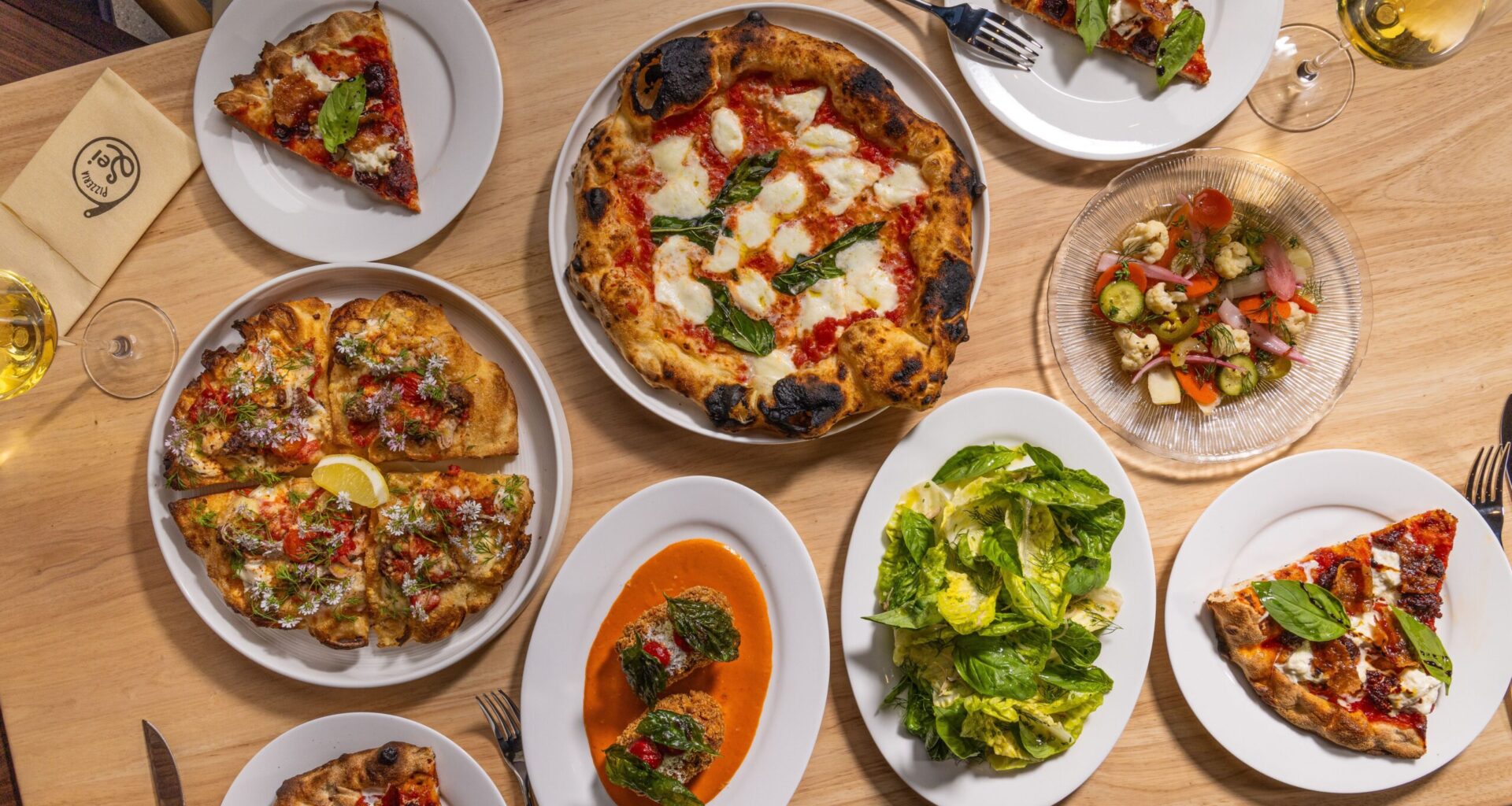
Pizzeria Sei, Masa of Echo Park, Little Dynamite, Ozzy’s Apizza and more offer a variety of pizza styles reflective of the diversity of the city
Much like the palm trees that pattern Los Angeles’ iconic image, pizza is not native to this land. Despite this, pizza seems to have become nearly as synonymous with the city as its tropical trees. Though it may not have originated in L.A., the city’s restaurants have done what they do best, taken a simple dish and reinvented it in a million different ways.
L.A. has a wide range of pizza options from affordable grab-and-go takeout places to some helmed by award-winning chefs, and the city has recently been dubbed the pizza capital of the world by the L.A. Times. While that may seem ludicrous given that New York and Chicago have more well-known signature styles of pizza, L.A.’s variety is what sells the pies.
Nancy Silverton, L.A. artisanal pizza pioneer of Pizzeria Mozza, won the 2026 James Beard Lifetime Achievement Award last month. In a 2017 interview with Los Angeles Magazine, Silverton said that with L.A. being such a diverse city, there are many different kinds of pizza available, creating a multicultural culinary landscape.
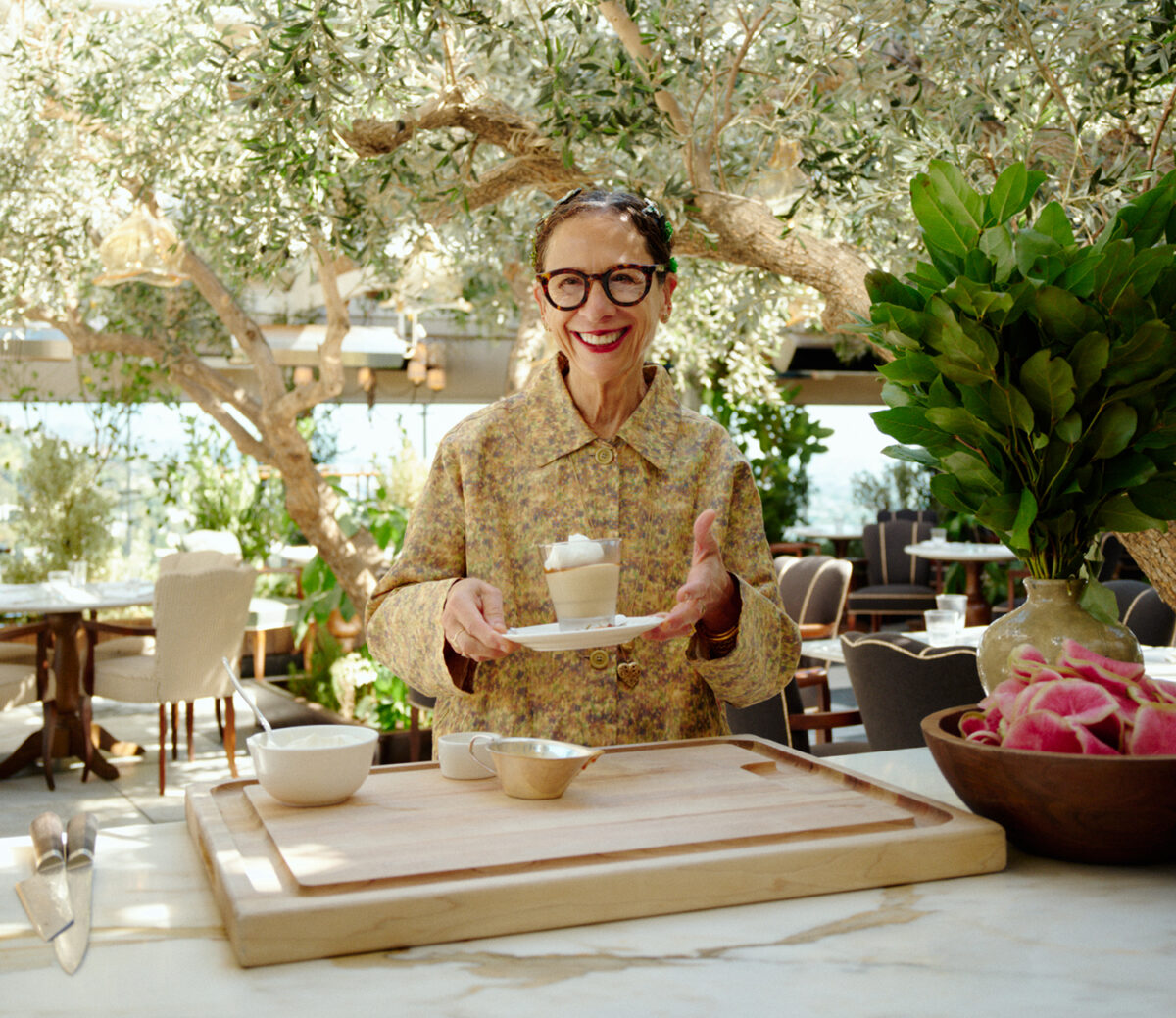 Nancy Silverton in Soho House West Hollywood’s garden with her
butterscotch budino.Credit: Brad Torchia
“Los Angeles pizza is like the city of Los Angeles itself, a fascinating mixture of cultures, a blend of highlights those myriads of cuisines have to offer,” Silverton said. “I’ve seen pizza topped with sashimi, carnitas and cubes of lamb that would normally be on a shish. Like L.A., it is not as easily defined as pizza is in Chicago or New York or Rome pizza. In that sense, there really is no L.A. My own pizza is just that. My own.”
Nearly a decade later, that idea seems to hold true. To this day in L.A., you won’t find only one kind of pie. Try Pizzeria Sei, ranked No. 2 in the U.S. by 50 Top Pizza’s 2026 with its Tokyo-style Neapolitan pizza, Masa of Echo Park’s Chicago-style deep dish, Little Dynamite for its Detroit-style square slices, Ozzy’s Apizza’s New Haven thin-crust, or Dtown Pizzeria’s award-winning Wagyu tenderloin pizza with caviar.
Los Angeles food aficionado Luca Servodio, a co-host of the L.A. Food Podcast and the creator of social media food review account The L.A. Countdown, said L.A.’s pizza scene is defined by the different perspectives that chefs from all over the world bring to their pizzas.
Scroll to continue reading
“You can’t really divorce talking about L.A. pizza from the diversity of our city. Just looking at who are some of the best pizza makers in Los Angeles today,” Servodio said. “It’s not fusion necessarily. It’s just people from different backgrounds with different culinary backgrounds, applying their mindsets to pizza.”
Servodio describes pizza as his “first true love,” and he takes on a yearly challenge of eating 100 different types of L.A. food, which he posts on The L.A. Countdown. This year marks the fifth anniversary of the L.A. Countdown, and because he started in 2021 with a pizza tour, Servodio decided to embark on another 100 pizza tour of L.A. Servodio said over the past five years he has seen a lot change.
“As Los Angeles has grown in pizza legitimacy, we’ve also gotten a lot of chefs from other cities move here,” Servodio said. “It just keeps happening, and so now Los Angeles isn’t just a destination for up-and-coming pizza makers who get their start here, but also for people from other cities who want to try their skills on a new market.”
Servodio said the popularity of the food in L.A. could be attributed to a demand for comfort food post-pandemic, and many former pop-ups have gone brick-and-mortar after seeing the success of pizza shops across the city.
“There was this dormant demand for excellent pizza, and the fact that one or two spots started to open, it’s just unleashed an entire universe of pizza demand,” Servodio said. “People realize, well, every neighborhood needs a great pizzeria, and actually, most neighborhoods can sustain two or three great pizzerias.”
According to Servodio, “L.A. style pizza is less a tangible thing and more of a spiritual thing.” Servodio said L.A. pizza is not a particular style, but determined by ingredients the pizza is made from. While it may not be distinct, he said he knows an L.A. pizza when he eats it.
“I think L.A. style pizza is defined by: is this pizza maker doing something unique and interesting with respect to the ingredients they’re using?” Servodio said. “And then are they respecting those ingredients in a way that produces something that is extremely delicious to eat?”
When he’s reviewing a pizza, the self-described “dough nerd” judges it across five different categories: dough, flavor, toppings, concept execution and vibes. But to make his final determination, he ponders the very L.A. questions of “How long would I be willing to drive in order to have this pizza again, and would I be willing to wait in a line?”
At the end of the day, Servodio said, one reason he thinks pizza has become so popular in the city is that people want to invest in “an experience that they know they’re going to get some joy out of.”
“Pizza is fundamentally one of the most joyful foods out there,” Servodio said.