
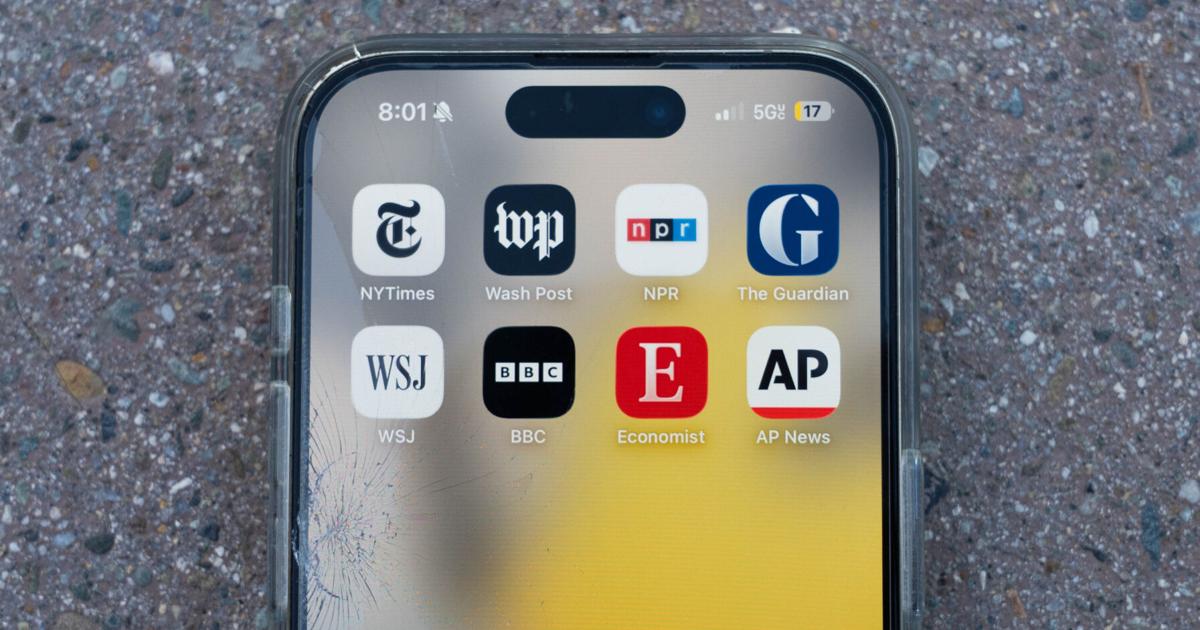
You open Instagram to reply to one direct message. Five minutes later, you’ve watched three political TikToks, become confused about a bill you’ve never heard of and before you know it, you start arguing about the U.S. Constitution and completely forget why you picked up your phone in the first place.
Welcome to doomscrolling.
For a lot of UC Berkeley students, staying politically informed feels like part of everyday life. Politics shows up everywhere, from classroom discussions and conversations on Sproul Plaza to Instagram stories and TikTok For You pages. Sometimes, staying politically informed as a student from the University of California, Berkeley, feels like a requirement to graduate. The reality is that staying informed doesn’t have to mean being online all day. In fact, you’ll probably understand more by scrolling less.
Curate your news like your Spotify Wrapped
Most of us spend more time picking the perfect playlist than thinking about where we get our news. But if you wouldn’t let a random algorithm choose every song you listen to, why let it choose how you learn about politics?
Social media is great for showing what’s trending, but it isn’t designed to give you the full story. The posts that spread the fastest are usually the ones that spark the strongest reactions, not necessarily the ones with the most context. Instead of relying entirely on your feed, choose a few news sources you trust and make them part of your routine. Maybe that’s reading a morning newsletter while drinking your coffee, listening to a news podcast during your commute, or checking a reliable news app after your late-night sweet treat. Investing even 15 minutes in quality reporting can teach you more than an hour of endless scrolling.
This summer, while interning for the California State Senate, I’ve seen firsthand how much context can get lost online, which has made me appreciate the value of reliable reporting even more. In fact, one of the biggest topics being talked about throughout the California State Senate and California State Assembly is the recently approved 2026-27 state budget and what those decisions mean for local communities. Watching those conversations happen behind the scenes has shown me that policymaking is usually much more detailed and collaborative than what ends up on social media. The biggest stories aren’t always the loudest ones, and the most important conversations don’t always go viral.
Replace doomscrolling with scheduled scrolling
We’ve all said, “I’m only going to be on TikTok for a few minutes,” only to realize hours later that the sun went down while you were still on the app. Doomscrolling has a way of making every notification feel urgent.
Instead of checking political updates every time you unlock your phone, try scheduling time to catch up, just like you would a discussion section or a club meeting in Google Calendar. Blocking off even 20 minutes a few times a week creates a routine that helps you stay informed without feeling like you have to monitor every breaking news alert throughout the day. Chances are, if it’s important, it’ll still be there when your calendar reminder goes off.
POV: You read the article before the comments
Let’s be honest, sometimes the comments are the first thing we read. They’re funny, dramatic and occasionally more entertaining than the actual post. However, the problem is that the most liked comment isn’t always the most accurate (Although, I will always make an exception and search for the Tiffany Wilson sticker in her pink outfit right before she starts making the “your mama” jokes in TikTok comments because that will never not be funny).
Before scrolling through everyone’s opinions, read the article first. Better yet, compare how different news outlets report the same story. Doing that gives you a much better understanding of what actually happened before social media starts telling you how to feel about it. Reading beyond the headline also helps you recognize when information is missing or when a viral post leaves out important context.
Log off and do something with what you learned
Being politically informed isn’t the same thing as constantly consuming information. At some point, it’s OK to close the app.
If an issue matters to you, find a way to engage with it beyond your screen. Talk about it with friends over matcha, volunteer with a local organization, attend a community meeting or simply ask questions and learn from people with different experiences. Especially at Berkeley, there are countless opportunities to turn curiosity into meaningful actions. Sometimes, it’s as simple as showing up while listening and participating in your own community.
The goal isn’t to consume more news, but to engage with better news. Understanding the facts first makes it easier to have meaningful conversations instead of repeating what you saw in a 15-second video.