
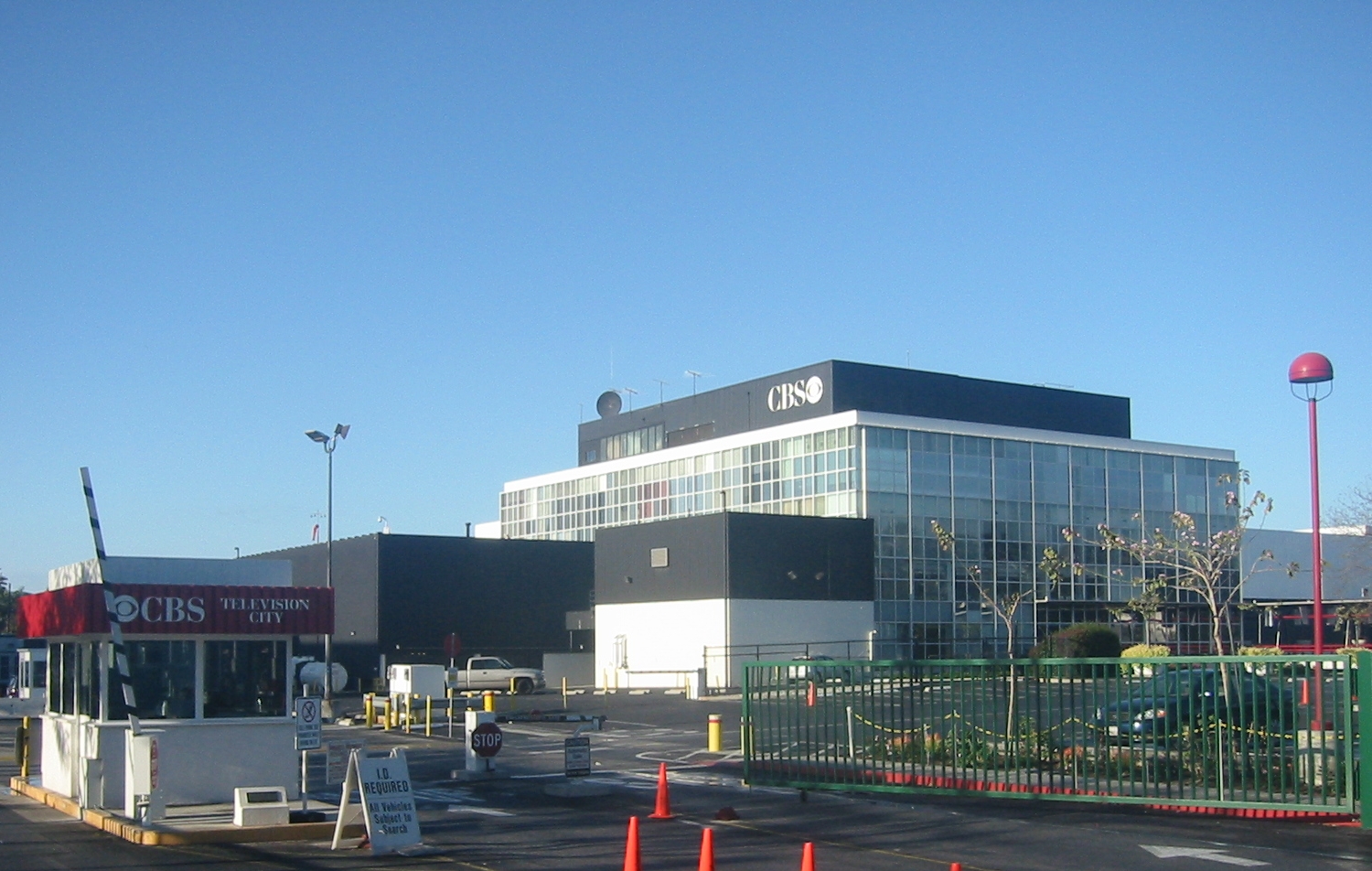
The former CBS flagship has a new tenant and bankers eager to sell
Developer Michael Hackman made a fortune converting unloved industrial properties into hip and cool creative campuses. He turned the empty Northrop Grumman plant in El Segundo into offices for Nyx Cosmetics and recently lured Labubu maker Pop Mart into a former factory in Culver City. In the 2010s, he saw ravenous hunger for soundstages in a Hollywood booming with new content during the era of “streaming wars.”
Hackman went on a buying spree, scooping up Culver Studios, CBS Radford, Raleigh Studios and some of the most storied lots in Los Angeles. His trophy property was CBS Television City at Beverly and Fairfax, for which he paid the network $750 million in 2018. His firm Hackman Capital Partners, which owned 145 soundstages around the world, became the world’s largest independent owner of production space. Last year, Hackman won approval to add nearly a million square feet to Television City at a cost of a billion dollars. “In every market where we open, demand has exceeded the supply,” Hackman said in 2021. “At some point that will come into balance.”
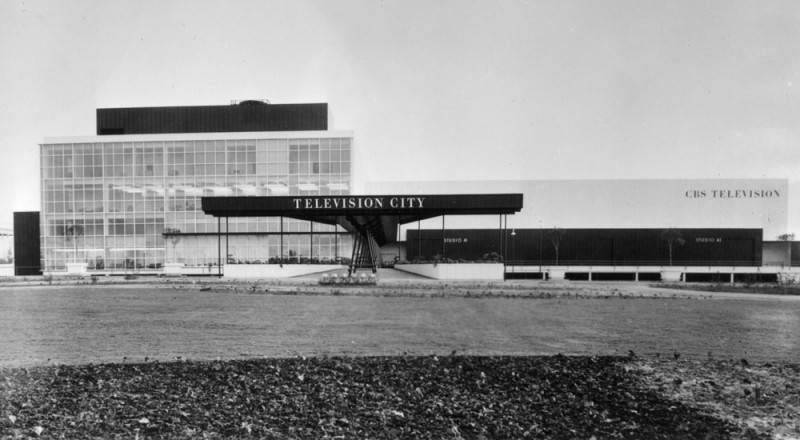 CBS Television City in 1956Credit: Photo by Security Pacific National Bank Collection/Los Angeles Public Library
Last year, production in Los Angeles hit a new low with 19,694 shoot days according to FilmLA. In 2018, Variety reported a total of 38,795 shoot days in L.A. The Hackman empire has been suffering as banks begin trying to recover loans. This week, Deutsche Bank and partners moved to sell Television City in an effort to recoup more than $357 million in outstanding debt, according to The Hollywood Reporter.
All this comes on the heels of a lease for the modernist landmark by Orbital Studios, the “virtual production company” behind World War II with Tom Hanks for the History Channel, Justified: City Primeval for FX and Nemesis for Netflix.
“Walking these stages, you feel the weight of what was made here,” Orbital CEO A.J. Wedding told Deadline. “Generations of crews poured everything they had into these rooms. That legacy makes us determined to get it right.” CBS Television City was declared a City of Los Angeles Historic-Cultural Monument in 2018.
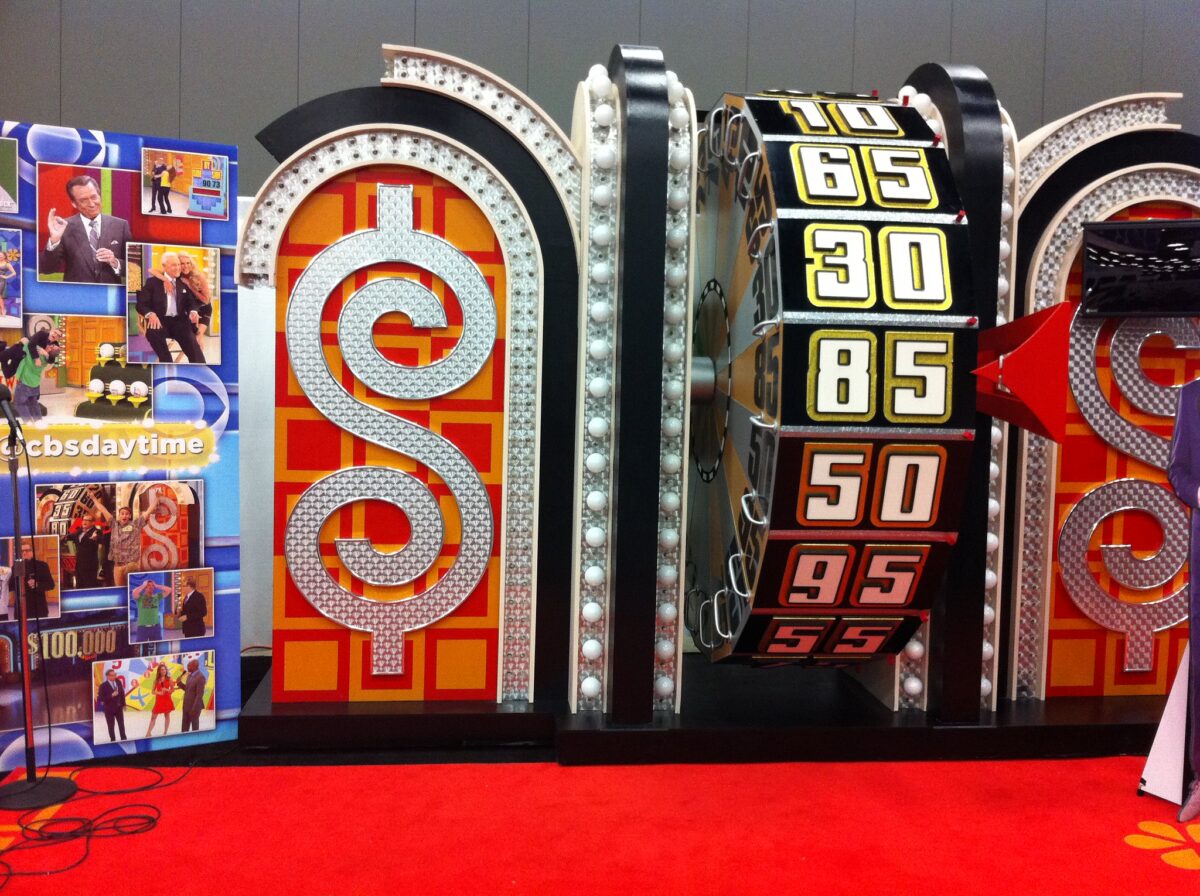 A portion of The Price is Right set exhibited at the SXSW Conference in 2014Credit: Photo by Digitas Photos/Flickr
Scroll to continue reading
Television City was built in 1952, at the dawn of the medium itself, and designed by L.A. modern masters Pereira & Luckman who also brought you LAX, Marineland and the Disneyland Hotel. The parade of stars filmed on those soundstages is an encyclopedia of American entertainment, from Art Linkletter to Playhouse 90 to Carol Burnett and, for more than 50 years, Bob Barker and The Price is Right.
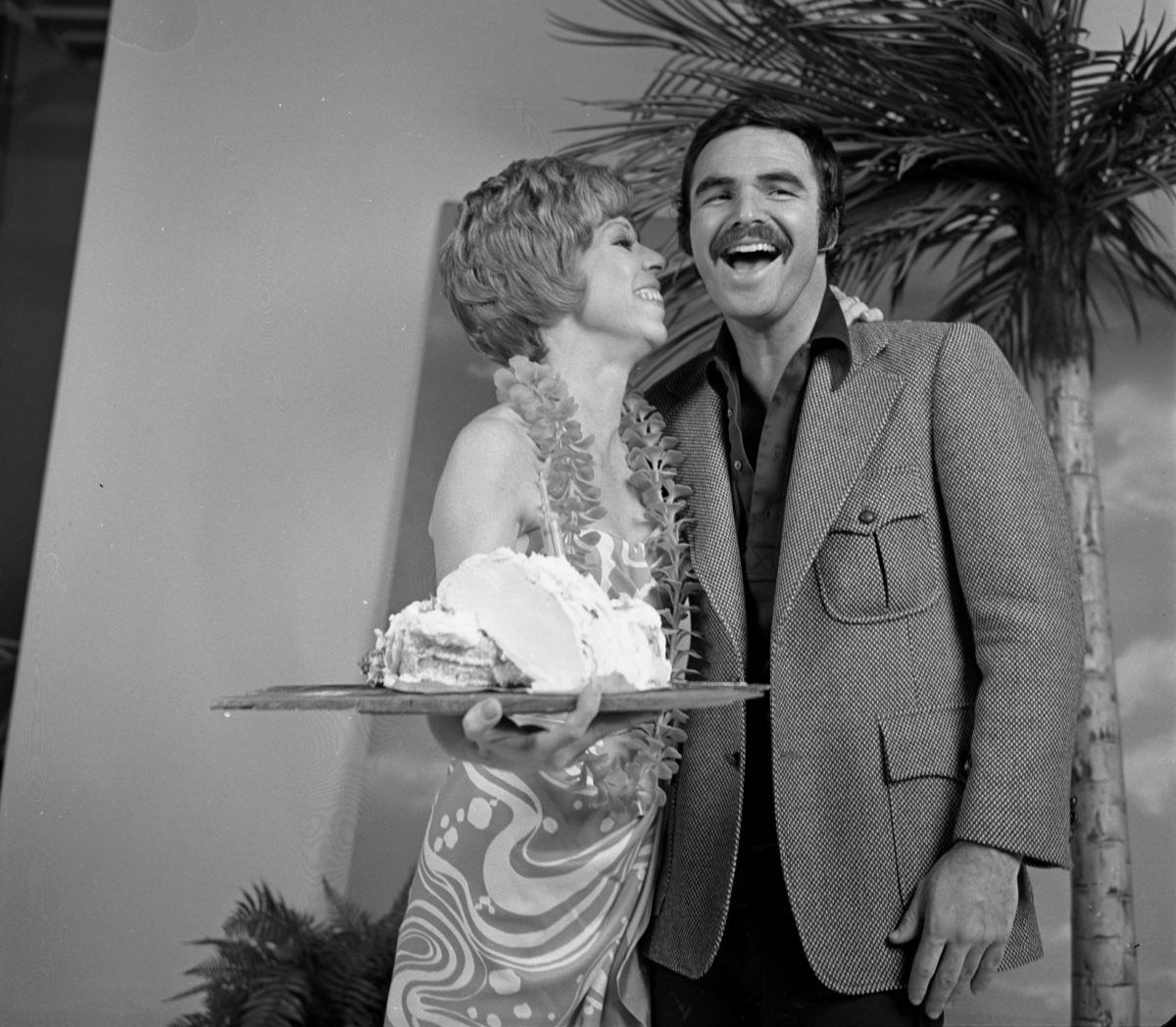 Carol Burnett celebrates Burt Reynolds’ birthday on the set of The Carol Burnett Show in 1972Credit: Photo by Mary Frampton/Los Angeles Times Photographic Collection/University of California, Los Angeles. Library. Department of Special Collections
Orbital shoots against video walls and utilizes AI and 3D software including Unreal Engine to create virtual sets and backgrounds in their films. “As the technology improves you could replicate a game show set experience in a virtual world, but I think it has limitations,” game show producer Bob Boden tells Los Angeles. “Dramatic genres could adapt to virtual because there’s no interaction between the performer and the background. It could take place on Mars and it would be believable.”
When Boden first visited Stage 33 at Television City in 1978, he remembers workers would replace The Price is Right sets with those for The Carol Burnett Show overnight on Wednesdays. Burnett would rehearse on Thursdays and tape her show on Friday evenings when her sets were struck and replaced by The Match Game. That show taped on the weekends, with The Price is Right being rebuilt by Monday morning.
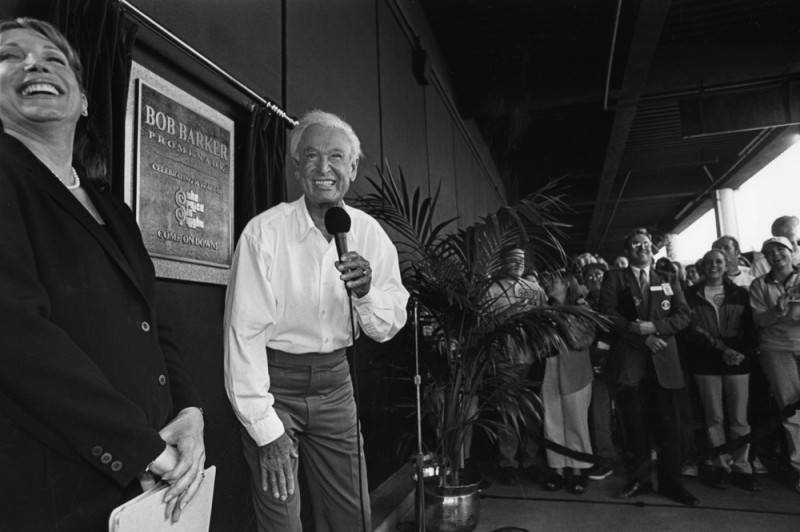 The Price is Right host Bob Barker is honored with a plaque at Television City in 2002Credit: Photo by Robert Pacheco/Los Angeles Neighborhoods Collection/Los Angeles Public Library
“There was nothing TV City couldn’t build,” Boden says. “It’s well-appointed with all the possible equipment and tools with the best technicians and builders.” It’s hard to imagine the need for many master carpenters and set builders on a virtual set, but Boden is confident in the future of the facility, no matter who the rent checks get sent to. “I think getting a tenant like Orbital is a natural progression for TV City,” he says. “As much as people might be sad that the glory days of The Price is Right have ended there, I think this brings new life into a very viable and practical production facility that needs a boost.”