
California has reported cases of cyclosporiasis as federal health authorities investigate a nationwide increase in the intestinal illness, which can cause prolonged watery diarrhea and frequent bowel movements.
The Centers for Disease Control and Prevention said Friday that 843 confirmed cases acquired in the United States had been reported across 31 states since May 1. No deaths had been reported as of July 9, but 86 people were hospitalized.
The count is expected to rise. The CDC said it is reviewing more than 1,500 additional cases to determine whether they originated in the U.S.
California recorded 41 provisional cases from January through June, down from 80 during the same period last year, according to the California Department of Public Health. Most were associated with recent international travel.
Four domestically acquired cases had been reported in California since May 1, including two involving people who had traveled to the Midwest. Those investigations remained underway.
The CDC has not released case counts for every state. Its national total includes confirmed cases involving people who ate food in the U.S. and did not report international travel during the 14 days before becoming ill.
Several clusters are under investigation, but authorities have not identified a specific food or a single source connecting the illnesses. No related product recall has been announced.
The sharpest increase has been reported in Michigan, where state health officials counted 1,562 cases as of Friday. Michigan typically records about 50 cases in an entire year.
Michigan’s total is higher than the CDC’s national confirmed count because state figures can include probable cases and reports still awaiting federal review or classification. The CDC has cautioned that its data can lag behind state numbers.
Cyclosporiasis is caused by Cyclospora cayetanensis, a microscopic parasite that infects the small intestine. People generally become infected by eating food or drinking water contaminated with feces.
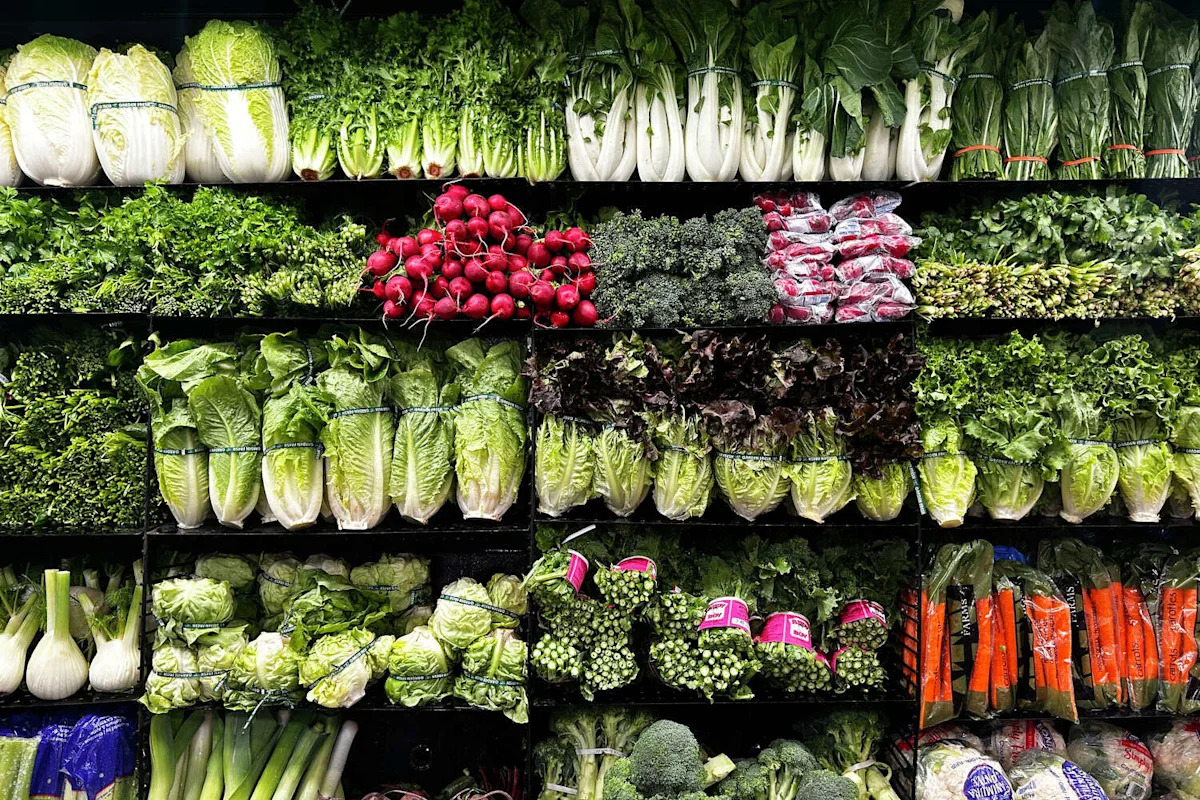
Past U.S. outbreaks have been linked to fresh produce, particularly leafy greens, raspberries, basil, cilantro and snow peas.
The illness is unlikely to spread directly from person to person because the parasite typically needs days or weeks after being passed in a bowel movement to become infectious, according to the Food and Drug Administration.

A CDC map shows states reporting confirmed cases of cyclosporiasis acquired in the United States since May 1. California is among 31 states with reported cases. (U.S. Centers for Disease Control and Prevention)
What are the symptoms?
The most common symptom is watery diarrhea with frequent and sometimes explosive bowel movements, the FDA said.
Other symptoms can include:
Bloating and increased gas
Some people who are infected have no symptoms.
Symptoms usually begin about a week after exposure. Without treatment, the illness can last from a few days to a month or longer – and symptoms may go away and then return.
People with diarrhea lasting more than three days should contact a health care provider, the FDA said. The infection can be diagnosed through laboratory testing and is commonly treated with a combination of antibiotics.
Who has been affected?
The confirmed U.S. cases involved people ages 5 to 88, with a median age of 44.
According to the CDC:
59% of patients were female.
The median illness onset date was June 18.
Some people became sick as early as May 1.
86 patients were hospitalized.
The true number of infections is likely higher because some people recover without seeking medical care or are never tested, according to the CDC.
Cyclospora cases typically rise in the spring and summer. Federal health authorities consider May 1 through Aug. 31 the main U.S. cyclosporiasis season, because the parasite thrives in warm weather and its transmission depends on the harvest of seasonal produce.
What foods have been linked to past outbreaks?
Past U.S. outbreaks have been connected to fresh produce, including:
Raspberries and other berries
Investigators have not identified any of those foods as the source of the current illnesses.
Rinsing or washing food may not remove Cyclospora. The FDA said the parasite may also resist routine chemical disinfection methods, including those that use chlorine.
How can people reduce their risk?
Health authorities recommend:
Washing hands with soap and water before and after handling food
Washing fruits and vegetables under running water
Scrubbing firm produce with a clean brush
Cutting away damaged or bruised areas
Cleaning and sanitizing cutting boards, utensils and countertops
Wiping up refrigerator spills promptly
Refrigerating cut or peeled produce
The CDC said several states have reported more cases during the past two weeks than during the same period in 2025. Because reports can arrive about six weeks after a person first becomes ill, the agency expects the national total to keep rising.
Subscribe
There’s more to San Francisco with the Chronicle. Subscribe today for just 25¢.
This article originally published at California reports cases of ‘explosive’ diarrhea-causing parasite as U.S. cases rise.