
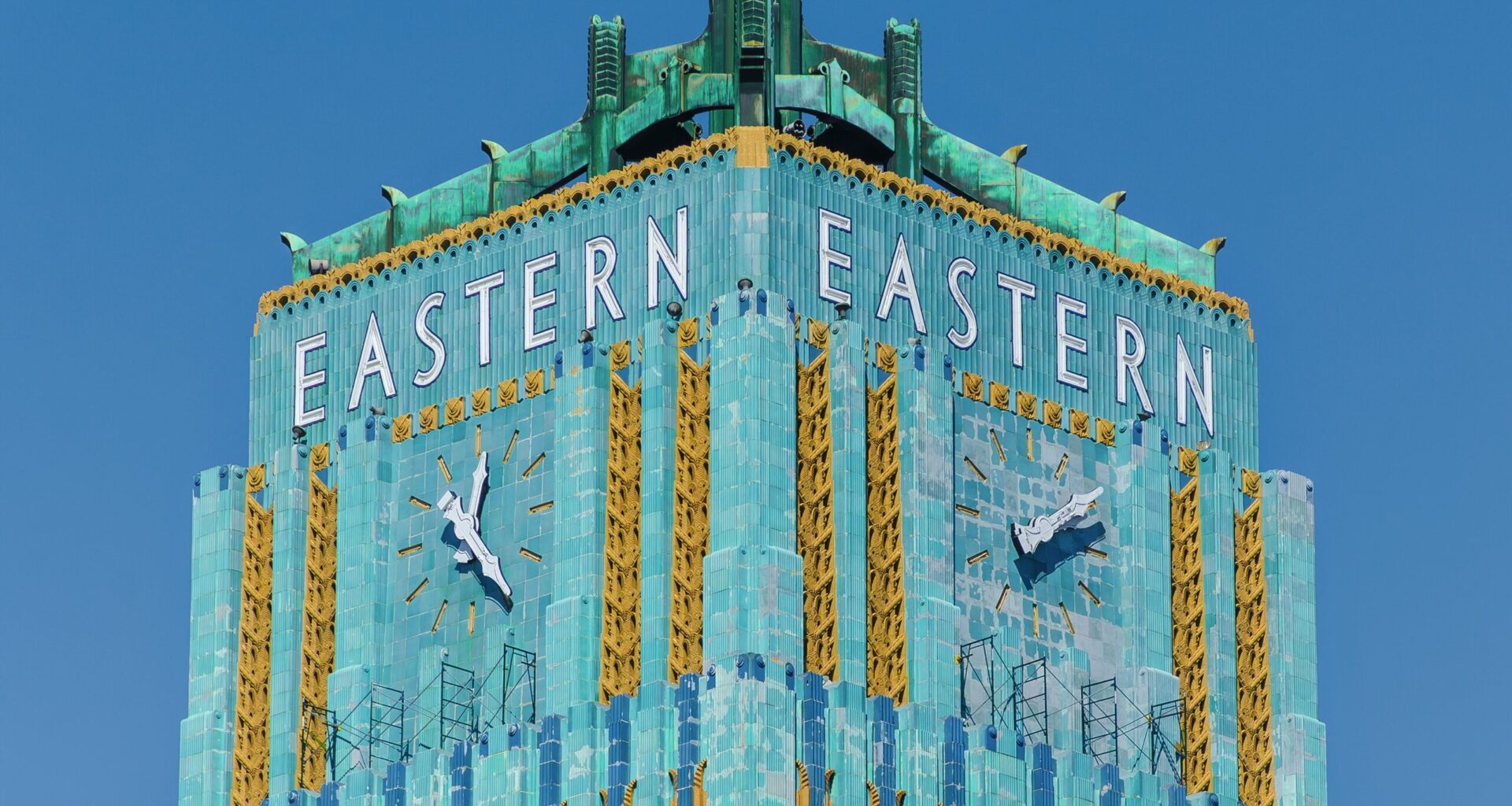
In his new book “Architreasures,” photographer Geoffrey Goddard spotlights architectural gems in Los Angeles and around the globe
Sometimes you have to see your hometown through the eyes of a visitor to really appreciate it. Australian photographer Geoffrey Goddard put Beverly Hills’ landmark 1965 Union 76 station on the cover of his new book Architreasures: A Journey Through 20th-Century Architecture, recently released from Schiffer Publishing.
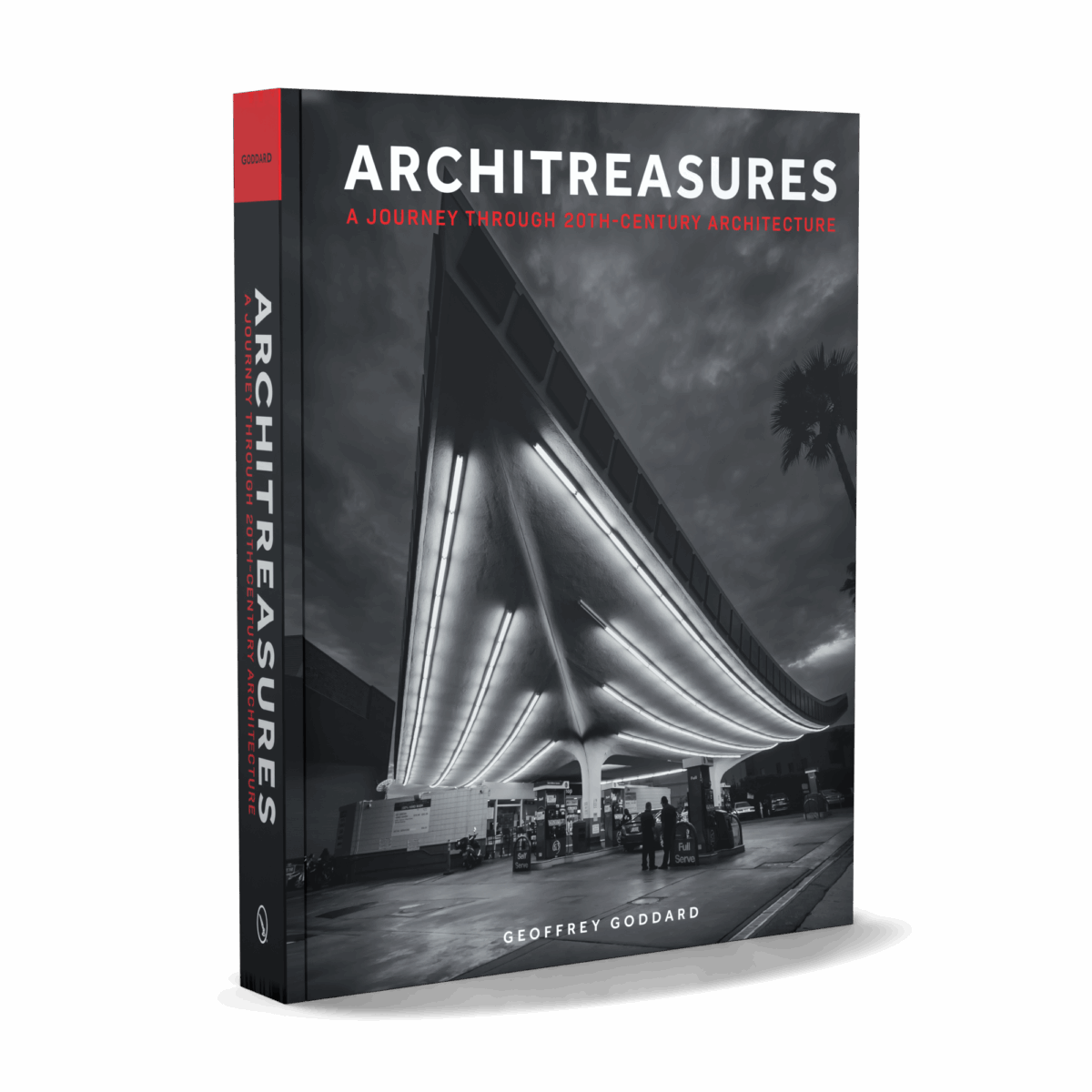 Credit: Courtesy Schiffer Publishing
His portfolio elevates our everyday background into high art and heightens our appreciation of L.A.’s artful tire shops, movie houses and bowling alleys to a proper perch, alongside the world’s great architecture.
“The play on words encapsulates both the intrinsic value of preserving architecture and the process of finding and photographing buildings,” Goddard says. “Which takes on the thrill of a treasure hunt.”
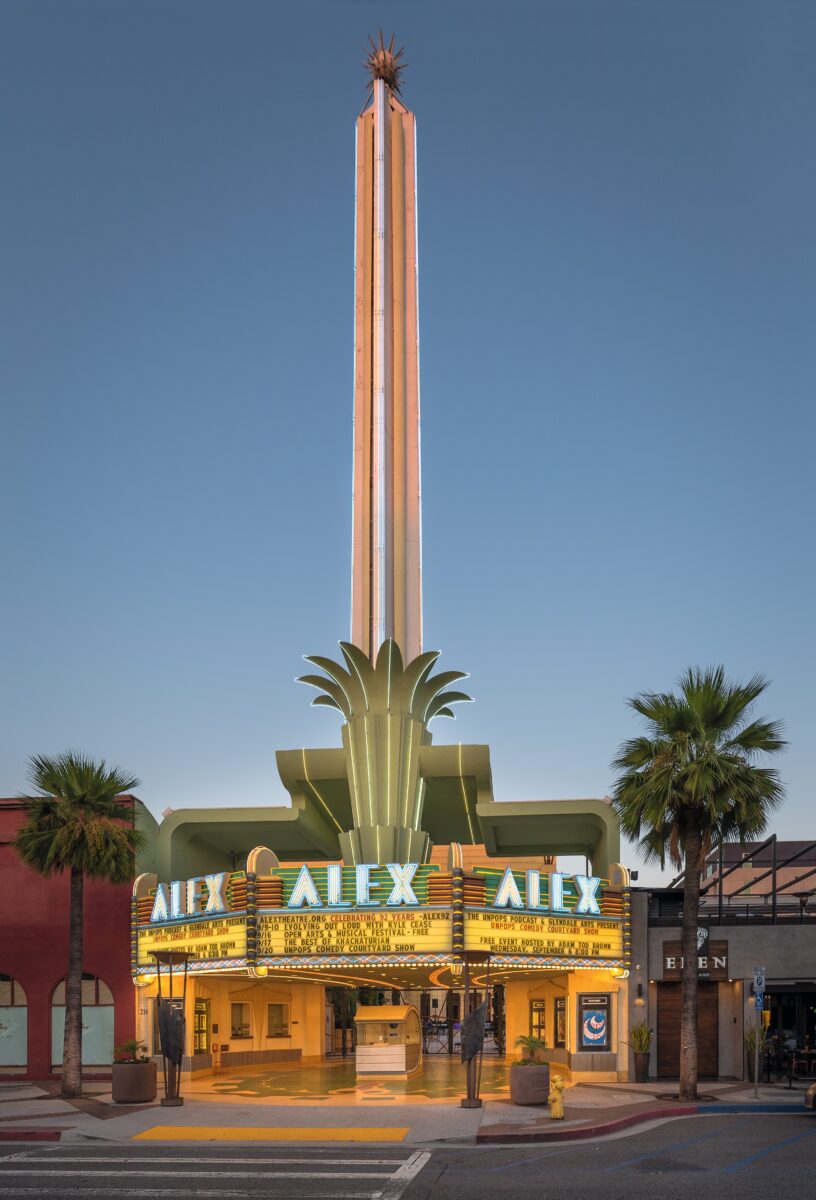 Alex Theater (1940, S. Charles Lee)Credit: Photo by Geoffrey Goddard
His startling image of the famously dynamic service station is joined by glamorous portraits of design icons from around the world, including Corbusier’s Villa Savoye in France and Frank Lloyd Wright’s Guggenheim Museum in New York.
Goddard’s eye on L.A. mainly focuses on modernism in the years just before and after the Second World War and the challenges in preserving it. Thankfully, Art Deco returned to fashion in the 1970s and ’80s, and midcentury modern style has been on an uptick for the last few decades.
Scroll to continue reading
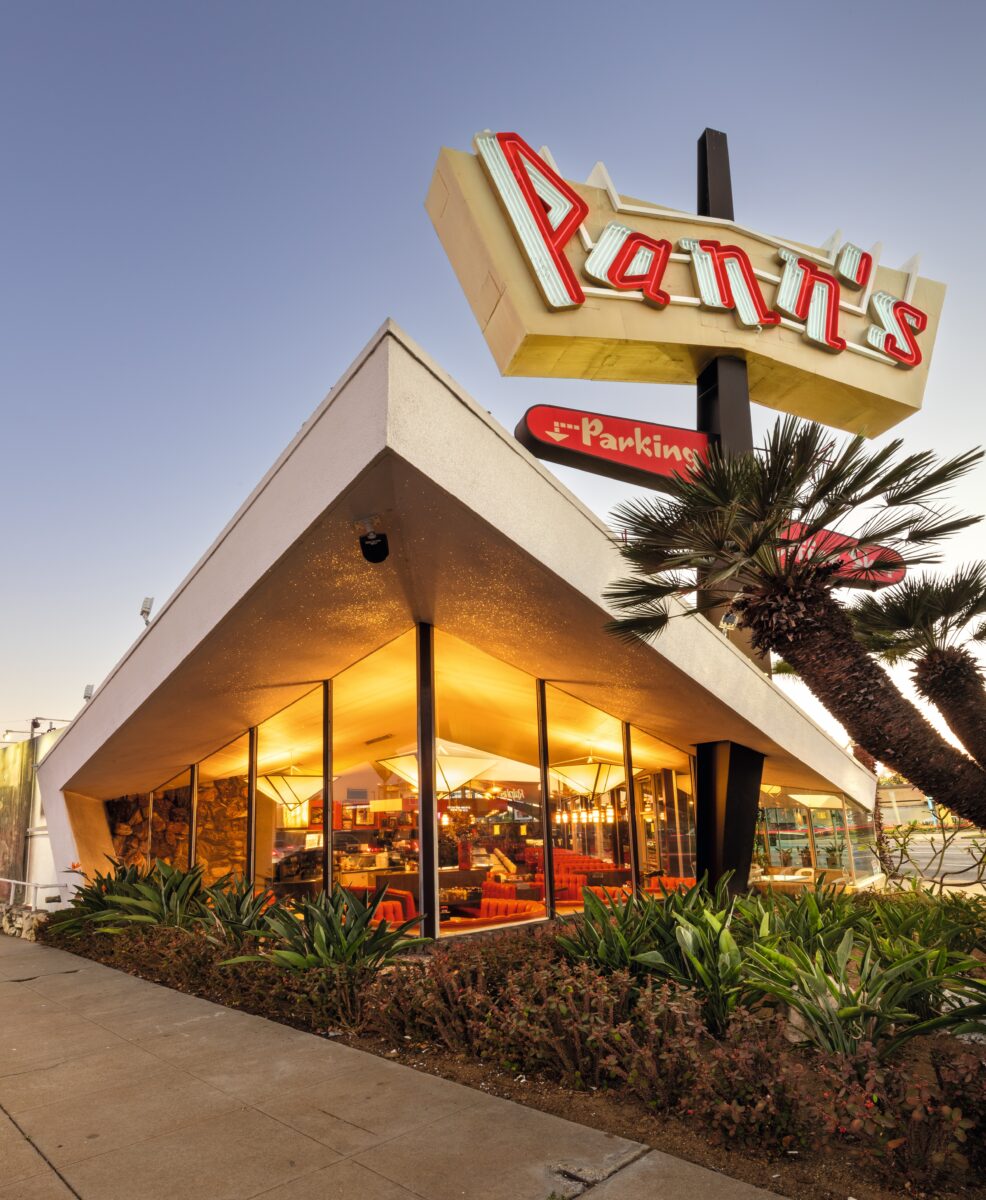 Pann’s Coffee Shop (1958, Armet & Davis)Credit: Photo by Geoffrey Goddard
His images of Deco towers like Bullocks Wilshire and Downtown’s Eastern Columbia building glowing in the bright L.A. sun capture a sense of optimism and enthusiasm. Goddard captured Googie landmarks like Pann’s Restaurant and the Downey McDonald’s at dusk just as the neon signs were coming to life and turning them into sculptures of pure energy.
“Buildings carry immense cultural and emotional significance as symbols of our aspirations for the future,” Goddard says, “while, in turn, standing as totems of our past.”