
How ready is Los Angeles for the 2028 Olympics? | CA Politics 360
Senator Allen, thank you so much for making time for us. My pleasure. So just on *** scale of 1 to 10, how prepared right now in this moment do you think LA is for the 2028 Olympics? Oh gosh, well, let’s say, uh, cause I have *** little kid, let’s say 67, you know, I, I, I think there’s still *** lot more work to be done, and we’re learning *** lot, um, from the World Cup experience. Uh, but, uh, but we’re, I think we’re gonna be there, we’re gonna be ready. Uh, it’s just, you know, it’s, it’s still 2 years away and we got *** lot more work to do. What are the takeaways from the World Cup lessons learned so far that you might apply? Yeah, so it’s *** great question. I mean, obviously, you know, folks have been having *** really good experience in general. Uh, Soi has just performed spectacularly down in Los Angeles. Uh, I, you know, I got to attend *** game in, in Northern California, one in Soi, and I gotta tell you, it’s, it’s, you know, just being in the, under the dome, uh, in that spectacular stadium down in Southern California is *** really superlative experience for, for folks. Uh, but, um, look, uh, congestion. Uh, we’ve certainly seen significant congestion around the stadium, uh, and, you know, during these World Cup games, so we’ve got to do more public outreach. We’ve got to be better prepared. Uh, for, uh, for, for the in and out for *** metro system, it’s gonna be better with regards to traffic control and trash pickup and basic city services that are going to have to exceed normal levels. We’ve got *** lot of political takeaways, uh, including visa problems, the need to start vetting much earlier than before. We had *** situation where there was *** referee that was trying to get into the United States to be able to ref *** game and he was denied. Uh, uh, entrance, of course, we had all the madness with the Iranian team that had to be based in Mexico and come across the border just for the day. Those were challenges. Uh, we had huge spikes in parking costs, uh, uh, you know, around the stadia, uh, uh, you know, but Metro at the same time was offering these really efficient, cheap, $1.75 express shuttles from all over the LA area. And so we got to figure out how to double down on transit, make sure we have good ways for people to get in and out. We have to have many, many more buses, of course, the You know, the, the, the World Cup is *** much smaller operation actually than the Olympics. Uh, there’s so many more venues and things happening around the city with the Olympics. Uh, but, um, so I’m, you know, I’m, I’m, and then of course there’s the question about, about ticket prices, uh, very expensive going to the World Cup. Um, certainly we’ve seen. Some high prices for some of these original drops for the Olympics, uh, that is of concern. Uh, there are, you know, individuals, uh, there are some, some, some lower cost tickets that are, that are going to be sold to $28 tickets uh to make sure that the people around the community can buy them. Um, but, uh, yeah, it’s lots, lots to learn, lots to apply. Yeah, I mean, with the World Cup, has it given any indication about what the relationship might look like, the working relationship with the federal government on some of the infrastructure that’s needed for LA 28? I mean, do you have any worries about maybe the federal government not holding up its end of the bargain just given the way the tension is right now between the state and feds? Yeah, it’s ***, it’s *** very complicated relationship, I think as everybody knows. I will say that we all have *** very vested interest, every one of us, from the federal government, from the president to the governor, to the legislature, to the local folks. Everybody wants to see this Olympics be successful. Uh, this is an opportunity to showcase all that makes America great, California great, Los Angeles great. And uh there’s ***, there’s *** shared interest there. And I will say, so far, uh, we’ve been having really positive uh interactions with the White House and with the Republican leadership in the, in the legis in the Congress. Uh, it’s been very bipartisan, uh, uh, so, so we’re, we’re, you know, we’ve already gotten, you know, significant federal resources on security and, and, and, and, and cooperation there. Uh, so, obviously, you know, we’re always, uh, gonna be watching this area. Uh, you know, the Olympics, you know, and, and the World Cup, you know, bring countries together. The Olympics is all about trying to bring countries together in *** peaceful way. Uh, hopefully, it’s gonna bring our country together in ***, in *** really special way, just as we’ve seen our country get behind our, our World Cup team. I think we’re gonna see the same thing happen. Uh, at *** much greater level with these Olympics. Yeah, with, with security and transportation specifically, do you see *** world in which maybe state budget dollars might have to be set aside for some of this, or do you think the federal government steps up and helps with all of it? You have seen some. State support, uh, for certain infrastructure for, for some security, but there’s no question this is gonna, this is gonna have to involve serious uh federal help. Of course, I will also say that the corporate sponsorships are coming really well as well. So we’re, I think we’re feeling really good about, about, um, about having enough money to make sure that the public’s not going to be on the hook in *** big way with these Olympics. And that, that has to do with, uh, these sponsorships and Uh, and, and ticket sales and, and *** lot of other, uh, other, other revenue generation. At this point, then you would say there’s, there’s no risk to this being canceled or moved from another place given sort of what you’ve laid out so far. I, I, I, I don’t see that. I, I, I just simply don’t see that happening. I mean, we, we are, we are on track. Uh, uh, we, you know, we, we, we, we know what to do. We’re gonna make this successful. This is an off the wall question, but is there any chance we see any new technology rolled out? I mean, given the corporate sponsorships, is there any innovation we might see rolled out, um, in LA for LA 28? Oh gosh, I mean, you mean, you mean, um, I, I, in, in terms of the, the fan experience in anything, in any way that you might think of that, um, has been, you know, *** matter of discussion between, uh, you and the other stakeholders. I mean, certainly you’re seeing, um, the, the, you know, the viewing experience either in person or on the television is, is so much more enhanced watching the World Cup than it was even 10 years ago, and I’m sure that will only get, continue to get better and better because technology continues to get better. Um, you, you see the use of technology, uh, when you go when you come to *** game. We’re no longer using paper tickets. Everything can be more seamlessly integrated. There’s ways to, uh, to, to help people, you know, deal with your transit, your parking, your entrance, uh, the fan zone experience. So I think there, I think we would have ***, ***, *** very tech-savvy fan experience for people, uh, when they come to town. Uh, uh, and then of course, safety, security, uh, you know, we’re investing *** lot in, in, in technology associated with making sure this is gonna be very safe games. Uh, and, and certainly our police and FBI, federal and international partners are, are investing heavily in technology to make sure this is gonna be *** safe games. Is there anything else you think we should know, now that we’re 2 years out? Um, well, I wanna mention, I wanna mention we’re gonna, the, the city of LA has, is, is really, um, engaged in, in having ***, *** wonderful cultural Olympiad program, uh, that’s gonna make for ***, ***, *** great experience. Uh, but I just want people to start planning their, planning their trips to LA. Uh, uh, this is gonna be *** special. Special experience. We’re also gonna bring the experience around the state, and there will be some games up in Northern California as well. But make *** point of coming down, being *** part of this magical experience. Uh, LA is gonna be ready. Uh, we’re, we’re bringing, you know, there’s gonna be sports of all different shapes and, and types and people coming from all over the world. This is gonna be *** special experience for our, our region and for our state. Senator Allen, we really appreciate your time. Thank you so much. Thank you. Thanks, Ashley.
How ready is Los Angeles for the 2028 Olympics? | CA Politics 360

Updated: 8:25 AM PDT Jul 12, 2026
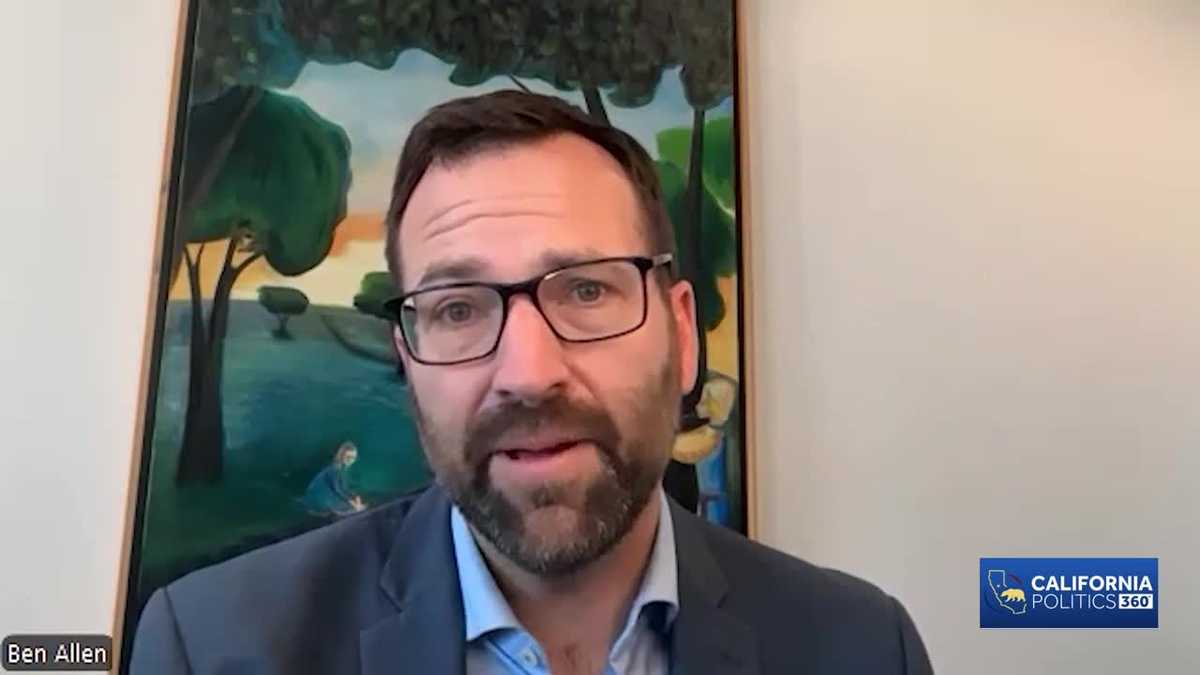
Los Angeles area State Senator Ben Allen discussed Los Angeles’ preparations for the 2028 Olympics, addressing lessons from the World Cup, infrastructure needs, and collaboration with federal and local partners.Allen leads a special State Senate Committee tasked with overseeing the LA Olympic games. In an interview on California Politics 360, Allen rated Los Angeles’ current preparedness for the 2028 Olympics as a “six or seven” out of 10. He said there’s been progress but emphasized the need for further work and lessons learned from the recent World Cup. “I think there’s still a lot more work to be done, and we’re learning a lot from the World Cup experience,” Allen said. “But we’re going to be ready. It’s still two years away, and we got a lot more work to do.” Allen highlighted both successes and challenges from the World Cup, including the positive experiences of attendees at venues like SoFi Stadium in Los Angeles. “Folks have been having a really good experience in general,” he said. “I got to attend a game in Northern California and one at SoFi, and I got to tell you, just being under the dome in that spectacular stadium down in Southern California is a really superlative experience for folks.” However, he acknowledged significant issues such as congestion, traffic control, and trash pickup. “We’ve got to do more public outreach, be better prepared for the in and out, and ensure the metro system is ready,” Allen said. He also pointed to logistical challenges, including visa problems and high parking costs. “We had a situation where there was a referee that was trying to get into the United States to be a little traffic game, and he was denied entrance,” Allen said. “Of course, we had all the madness with the Iranian team that had to be based in Mexico and come across the border just for the day. Those were challenges.” Allen noted that Metro offered affordable $1.75 express shuttles during the World Cup and emphasized the need to expand transit options for the Olympics. “We have to figure out how to double down on transit and have many more buses,” he said. Ticket prices were another concern, with Allen acknowledging the high costs of World Cup tickets and some initial Olympic ticket drops. “Certainly, we’ve seen some high prices for some of these original drops for the Olympics,” he said. “That is of concern. There are some lower-cost tickets that are going to be sold—$28 tickets—to make sure that the people around the community can buy them.” When asked about collaboration with the federal government, Allen described the relationship as “complicated” but said there’s a shared commitment to the Olympics’ success. “Everybody wants to see this Olympics be successful,” he said. “This is an opportunity to showcase all that makes America great, California great, Los Angeles great.” He added that interactions with the White House and Congress have been positive and bipartisan, with significant federal resources already allocated for security. “So far, we’ve been having really positive interactions,” Allen said. Allen also addressed concerns about funding, stating that while some state support is expected, federal assistance and corporate sponsorships will play a crucial role. “We’re feeling really good about having enough money to make sure that the public’s not going to be on the hook in a big way,” he said. When asked if there’s any risk of the games being canceled in Los Angeles, Allen said, “I just simply don’t see that happening. We are on track. We know what to do. We’re going to make this successful.” On the topic of innovation, Allen highlighted advancements in fan experiences and safety measures. “We’re no longer using paper tickets. Everything can be more seamlessly integrated,” he said. “There are ways to help people deal with transit, parking, entrance, and the fan zone experience.” As preparations continue, Allen encouraged people to start planning their trips to Los Angeles, highlighting the cultural and statewide impact of the games. “The city of L.A. is really engaged in having a wonderful Cultural Olympiad program,” he said. “This is going to be a special experience for our region and for our state.” KCRA 3 Political Director Ashley Zavala reports in-depth coverage of top California politics and policy issues. She is also the host of “California Politics 360.” Get informed each Sunday at 8:30 a.m. on KCRA 3.
Los Angeles area State Senator Ben Allen discussed Los Angeles’ preparations for the 2028 Olympics, addressing lessons from the World Cup, infrastructure needs, and collaboration with federal and local partners.
Allen leads a special State Senate Committee tasked with overseeing the LA Olympic games. In an interview on California Politics 360, Allen rated Los Angeles’ current preparedness for the 2028 Olympics as a “six or seven” out of 10. He said there’s been progress but emphasized the need for further work and lessons learned from the recent World Cup.
“I think there’s still a lot more work to be done, and we’re learning a lot from the World Cup experience,” Allen said. “But we’re going to be ready. It’s still two years away, and we got a lot more work to do.”
Allen highlighted both successes and challenges from the World Cup, including the positive experiences of attendees at venues like SoFi Stadium in Los Angeles.
“Folks have been having a really good experience in general,” he said. “I got to attend a game in Northern California and one at SoFi, and I got to tell you, just being under the dome in that spectacular stadium down in Southern California is a really superlative experience for folks.”
However, he acknowledged significant issues such as congestion, traffic control, and trash pickup.
“We’ve got to do more public outreach, be better prepared for the in and out, and ensure the metro system is ready,” Allen said.
He also pointed to logistical challenges, including visa problems and high parking costs.
“We had a situation where there was a referee that was trying to get into the United States to be a little traffic game, and he was denied entrance,” Allen said. “Of course, we had all the madness with the Iranian team that had to be based in Mexico and come across the border just for the day. Those were challenges.”
Allen noted that Metro offered affordable $1.75 express shuttles during the World Cup and emphasized the need to expand transit options for the Olympics.
“We have to figure out how to double down on transit and have many more buses,” he said.
Ticket prices were another concern, with Allen acknowledging the high costs of World Cup tickets and some initial Olympic ticket drops.
“Certainly, we’ve seen some high prices for some of these original drops for the Olympics,” he said. “That is of concern. There are some lower-cost tickets that are going to be sold—$28 tickets—to make sure that the people around the community can buy them.”
When asked about collaboration with the federal government, Allen described the relationship as “complicated” but said there’s a shared commitment to the Olympics’ success.
“Everybody wants to see this Olympics be successful,” he said. “This is an opportunity to showcase all that makes America great, California great, Los Angeles great.”
He added that interactions with the White House and Congress have been positive and bipartisan, with significant federal resources already allocated for security.
“So far, we’ve been having really positive interactions,” Allen said.
Allen also addressed concerns about funding, stating that while some state support is expected, federal assistance and corporate sponsorships will play a crucial role.
“We’re feeling really good about having enough money to make sure that the public’s not going to be on the hook in a big way,” he said.
When asked if there’s any risk of the games being canceled in Los Angeles, Allen said, “I just simply don’t see that happening. We are on track. We know what to do. We’re going to make this successful.”
On the topic of innovation, Allen highlighted advancements in fan experiences and safety measures.
“We’re no longer using paper tickets. Everything can be more seamlessly integrated,” he said. “There are ways to help people deal with transit, parking, entrance, and the fan zone experience.”
As preparations continue, Allen encouraged people to start planning their trips to Los Angeles, highlighting the cultural and statewide impact of the games.
“The city of L.A. is really engaged in having a wonderful Cultural Olympiad program,” he said. “This is going to be a special experience for our region and for our state.”
KCRA 3 Political Director Ashley Zavala reports in-depth coverage of top California politics and policy issues. She is also the host of “California Politics 360.” Get informed each Sunday at 8:30 a.m. on KCRA 3.