
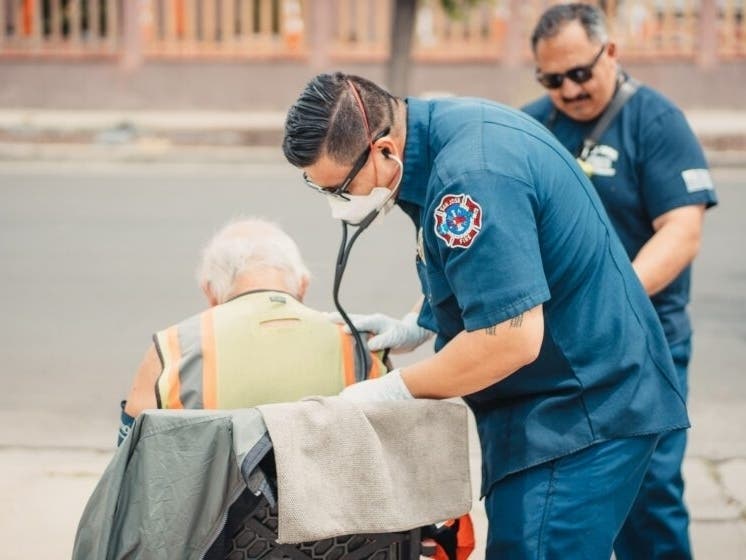
The funding will support three positions and the purchase of new equipment. Presently, San Jose is working with Santa Clara County officials to draw up a program proposal. If approved by state authorities, the pilot could hit the streets as soon as this fall.
California has been experimenting with paramedicine programs for more than a decade. To support this effort, state lawmakers have loosened regulations for paramedics working under these special initiatives. Typically, state law means paramedics are restricted only to providing medical treatment, and only at the scene of an emergency or in transit to a hospital.
So far, dozens of cities have leveraged the new paramedicine teams to offer a variety of support services, including hospice care, post-hospital discharge follow-up visits and help connecting patients with other care providers, according to a report from the California Healthcare Foundation.
In the case of San Jose, the two-member paramedicine team will be trained to evaluate patients in a variety of ways as they decide how best to direct their care. This might mean asking about a person’s living conditions, health record or history of substance use.
“For example, if they encounter someone, say, with an addiction issue, they would be able to determine whether that patient needs immediate medical care or whether they simply need other supportive care or treatment, and they would work to connect them with that appropriate care pathway,” Sapien said.