
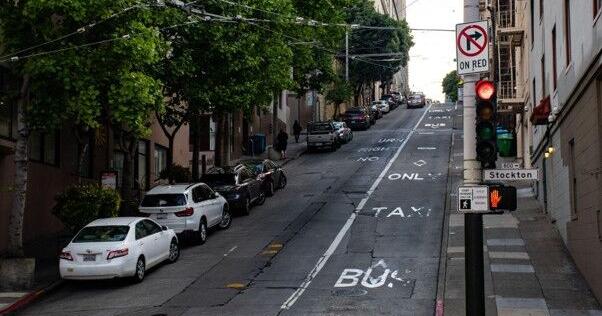

Staying aware while on city streets can make a real difference to your safety.
San Francisco is a city built for movement. On any given day, residents are walking to Muni stops, biking through SoMa, catching a rideshare after dinner, or walking across steep crosswalks. All of that daily motion is part of what makes the city feel so alive, but it also means people are sharing the roads with buses, delivery vehicles, scooters, cyclists, and pedestrians all at once.
Residents looking into what they should do after a serious city accident may come across Moon Law Group while searching through medical records and insurance logs. In reality, being prepared doesn’t always have to cause stress. It means knowing the streets well, understanding where the most risks are, and creating a few habits that could help in case something unexpected happens.
Know San Francisco’s High-Risk Streets
Not all streets have the same risks. Unfortunately, around 30 people pass away on San Francisco city streets each year, and more than 500 are injured. The city has its own High Injury Network, a map that shows where the most traffic injuries occur.
Only a handful of city streets account for the majority of injuries and deaths. These roads tend to run through busy commercial and transit-heavy areas. Knowing which streets are in busier areas can help residents make more informed choices about which routes to take, especially at night, in the rain, or in heavy fog.
Staying Alert in the Moments That Count
San Francisco’s population density is part of its charm, but it can create conditions where you have to make split-second decisions. Some situations warrant extra attention. Rideshare pickups and drop-offs can be particularly dangerous, especially if a vehicle suddenly stops in a busy area.
Bike lanes are another hazardous area. Cyclists may be riding next to large trucks or vehicles that suddenly turn. Cyclists should try to make contact with nearby drivers to increase their awareness of cyclists’ presence. Other areas worth extra attention are steep streets, rainy conditions, low visibility due to fog, and late-night travel, especially near nightlife.
Even experienced riders and commuters have found that switching between transit modes, such as going from BART to a bus, may require its own situational awareness. Those transitions are often when one’s attention drops.
Moon Law Group Suggests Documenting Everything
If something does happen, such as a collision, a fall on a sidewalk, or even a near-miss that causes injury, documentation can make the next steps a bit easier. It’s useful to photograph any vehicle damage, road conditions, traffic signals, or any visible injuries. It may even be helpful to write down the time, location, weather, or any nearby landmarks while your memory is still fresh.
Later on, keep any related medical records, rideshare receipts, repair estimates, and messages with insurance. For more serious accidents, make sure there are emergency contacts saved on your phone and follow up with a medical provider, even if it seems like you have minor injuries. Some injuries don’t appear immediately, so you should seek evaluation early.
A Shared City Life
San Francisco’s streets belong to a wide mix of people: commuters, delivery drivers, tourists, cyclists, and walkers just trying to get from one neighborhood to another. New bike infrastructure and pedestrian improvements are all part of how the city is working toward safer movement, but individual awareness can go a long way.
FAQs
Q1: What should someone do immediately after an accident?
If possible, move to a safer place, check for injuries, and call for help. If you can, take photos of the scene and exchange information with anyone else involved. Document as many road conditions as possible.
Q2: How can cyclists and pedestrians minimize risk in city traffic?
Make sure you’re wearing something highly visible and avoid being distracted by your phone while moving. Use marked road crossings and designated bike lanes at all times.
Q3: Which street conditions require the most caution?
The city’s High Injury Network corridors, steep or wet streets, construction zones, and busy intersections are all areas that could use extra attention.
*The San Francisco Weekly newsroom and editorial were not involved in the creation of this content.