
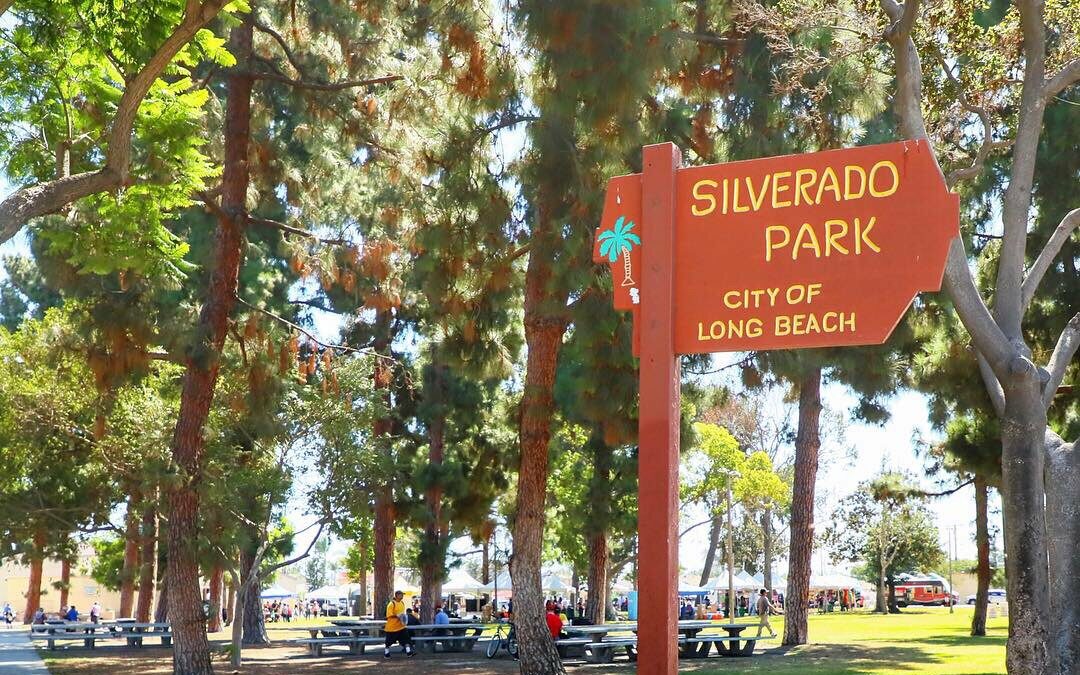
Park quality in Long Beach falling, new study reveals
· Long Beach has seen the second-biggest decrease in ParkScore in the US
· California is home to three top 10 cities
· Richmond, Virginia, has seen the biggest improvement
A new study has revealed where urban park quality is slipping across the country.
Fence contractor R&T Fence analyzed the Trust for Public Land’s ParkScore ranking in both 2025 and 2021, to see which US cities had seen the biggest drops in overall scores. The ParkScore ranks cities on five characteristics: acreage, access, investment, amenities, and equity.
Long Beach ranks second, with a decrease in ParkScore of 8.2 since 2021.
In the 2025 rankings, Long Beach placed 56th overall, with a score of 50.8. In 2021, the city placed 31st, with a final score of 59.0.
Like Aurora, the biggest change for Long Beach was in the investment category. Where the city previously scored an impressive 90 out of 100, spending $175 per person on park spaces, this dropped to 51 out of 100 in 2025, spending a total of $158 per capita.
Acreage also took a hit in the ratings. Parkland as a percentage of city area fell from 10.1%, with a score of 49 out of 100 in 2021, to 7.1% in 2025, with a score of 29 out of 100.
Anaheim is fourth, with a decrease in ParkScore of 7.8 since 2021.
Anaheim has seen one of the biggest drops in overall ranking. The city placed 58th in 2021, with an overall score of 48.4, dropping to 81st in 2025, with a final score of 40.6.
While points for most categories stayed about the same, the investment category declined significantly. In 2021, Anaheim received a score of 70 out of 100, spending $140 per resident on publicly accessible parks. In 2025, this fell to just $89 per resident, earning a score of 21 out of 100.
Eighth is Los Angeles with a decrease in ParkScore of 5.0 since 2021. The city fell from 71st in 2021 to 90th in 2025, with investment and equity as the leading reasons.
Commenting on the findings, Jeff Becka, President of R&T Fence said, “We’re seeing a clear pattern of park quality slipping across multiple US cities, and that decline isn’t limited to one area. Drops in investment often trigger wider effects like fewer amenities, less maintenance, and reduced access for residents, but they also highlight how interconnected these categories are.
“City parks don’t just enhance the quality of life but are essential infrastructure. As populations grow and urban areas become denser, maintaining these spaces will only get harder.
“While some cities have seen their park quality slip, the good news is that these trends can be reversed. Improvements in amenities, creative funding models, and community involvement have all helped cities in the past climb back up the rankings. The key is to recognize the importance of these spaces before small declines turn into lasting setbacks.”
Related