
CHICO, Calif. – The Trump administration has changed the Endangered Species Act for the first time in 50 years, removing “habitat destruction” from the act’s definition of harm to endangered species.
The change could affect threatened animals in Northern California, including the northern spotted owl and the vernal pool fairy shrimp.
The Department of the Interior argued that habitat destruction “burdened” American families and businesses. The change will go into effect in September, pending lawsuits from environmental groups nationwide.
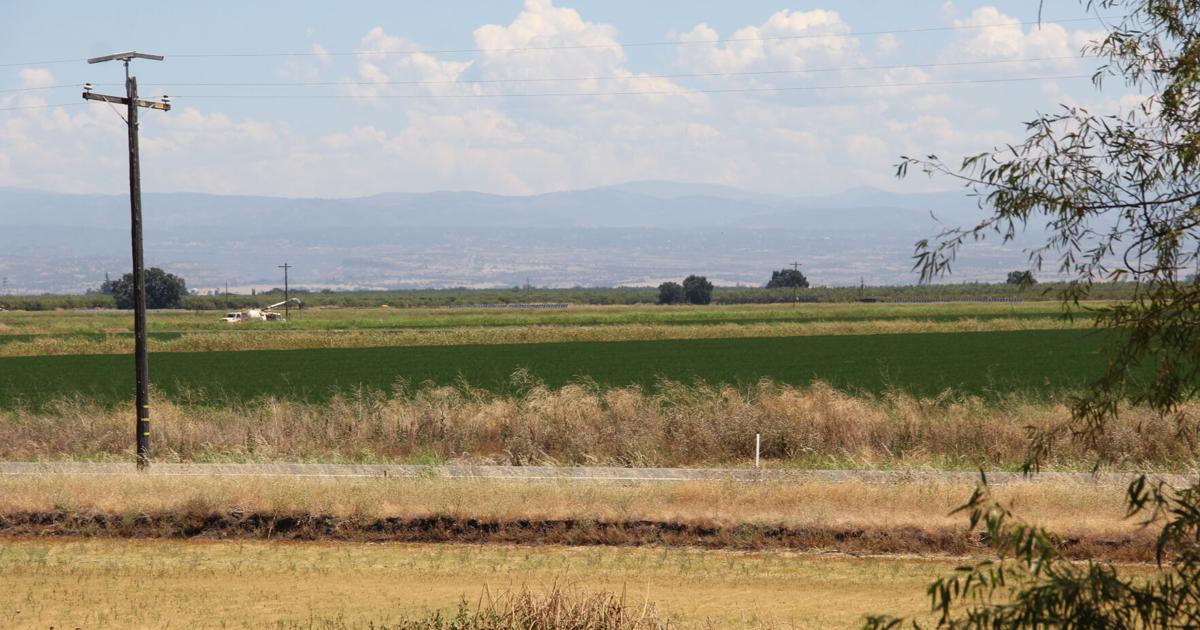
Action News Now reporter Christine Stoddard visited Llano Seco, a wildlife refuge 10 miles southwest of Chico, which is prime territory for the bald eagle—America’s national bird. The bald eagle’s near-extinction helped inspire the Endangered Species Act of 1973.
“The Endangered Species Act is important because it protects more than individual animals or the planet…it protects the ecosystem that it depends on,” Ellington said.
Courtney Ellington, executive director of Butte Environmental Council, said she isn’t sure how the change might affect Northern California, except possibly making it easier for new industrial activity and development. Those activities would still be subject to regulations.
“The act recognizes that endangered and threatened species have ecological, educational and historical, recreational and scientific purpose,” Ellington said.
In the meantime, her nonprofit remains focused on education. Stoddard asked Ellington about paper mache critters in her office, including a bald eagle and salmon.
“Yes, these are some of the puppets that are made in the classrooms. So we go into classrooms and bring in the material and we teach them about the endangered species,” Ellington said.
Don Hankins, a Chico State University environmental science professor, said he’s also unsure about how the change might affect the region. It may simply be a matter of semantics.
“I don’t know if it’s going to make it easier for more development or industry changes to occur,” Hankins said.
The American Forest Resource Council, a regional trade association with members like Sierra Pacific Industries, told Stoddard the change to the act is a good thing—not just for industry but for preventing wildfires. Stoddard also reached out directly to Sierra Pacific Industries and a few smaller timber and logging companies, but they didn’t respond in time for comment.