
Infectious diseases never sleep, and this week two heavy hitters are making waves in California. Covid is back, and cyclospiriasis, the diarrhea parasite surging in parts of the county, is raising important questions for us. Let’s dive in.
After an 8 month break, Covid is spreading again in California. Statewide we’re still sitting at “Very Low,” or “Low” levels, with a faint uptick since late June. Normally this wouldn’t be enough to really call out, and it still may not amount to much — but here’s why I’m concerned, and what we can do to protect ourselves.
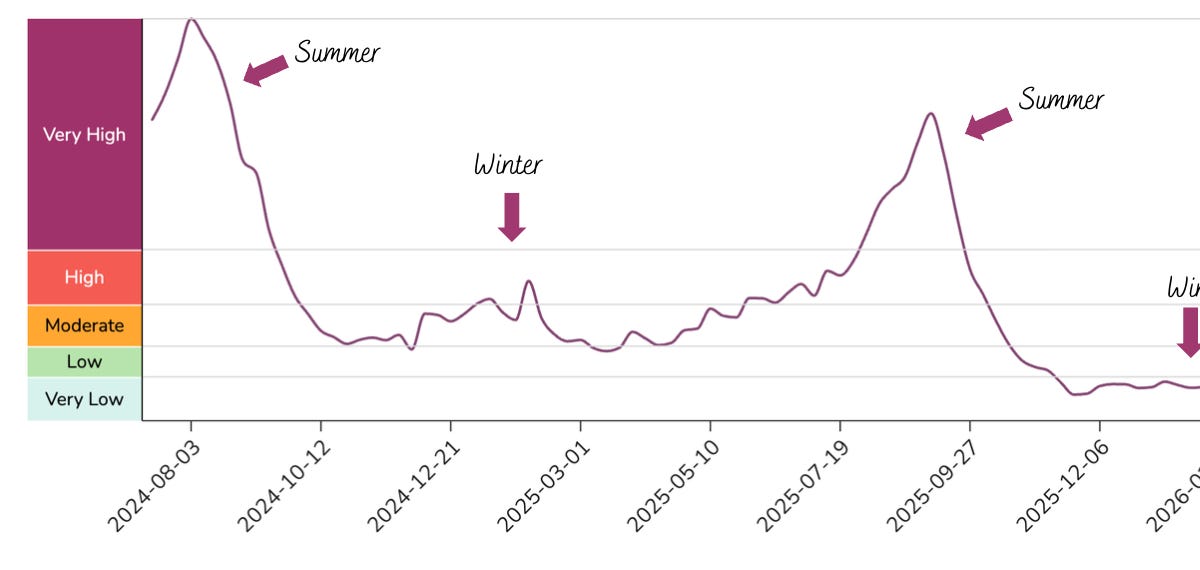
Covid Wastewater Levels: California, July, 2024 to current
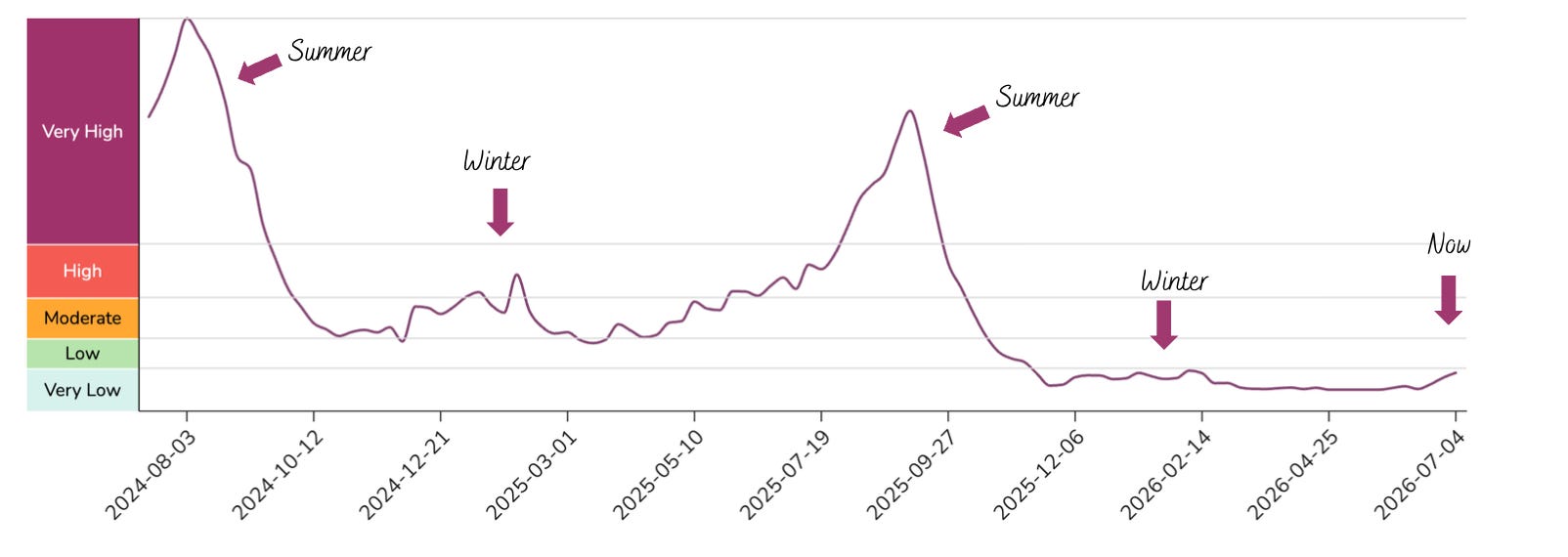 Source: CDC. Annotated by YLE
California summers: Every year since Covid arrived, we’ve seen meaningful activity in the summer. In fact, California’s recent summer waves have seen more Covid cases, hospitalizations and deaths than our winter surges. Since 2024, we’ve only seen “Very High” wastewater levels during summer months. So, if past years are any guide, we’re due.
The recent increase in activity is subtle, but it seems to be statewide. Covid levels are increasing in 41 of 79 (52%) California wastewater collection sites. The CDC lists California as one of 4 states where Covid trends are “Growing”.
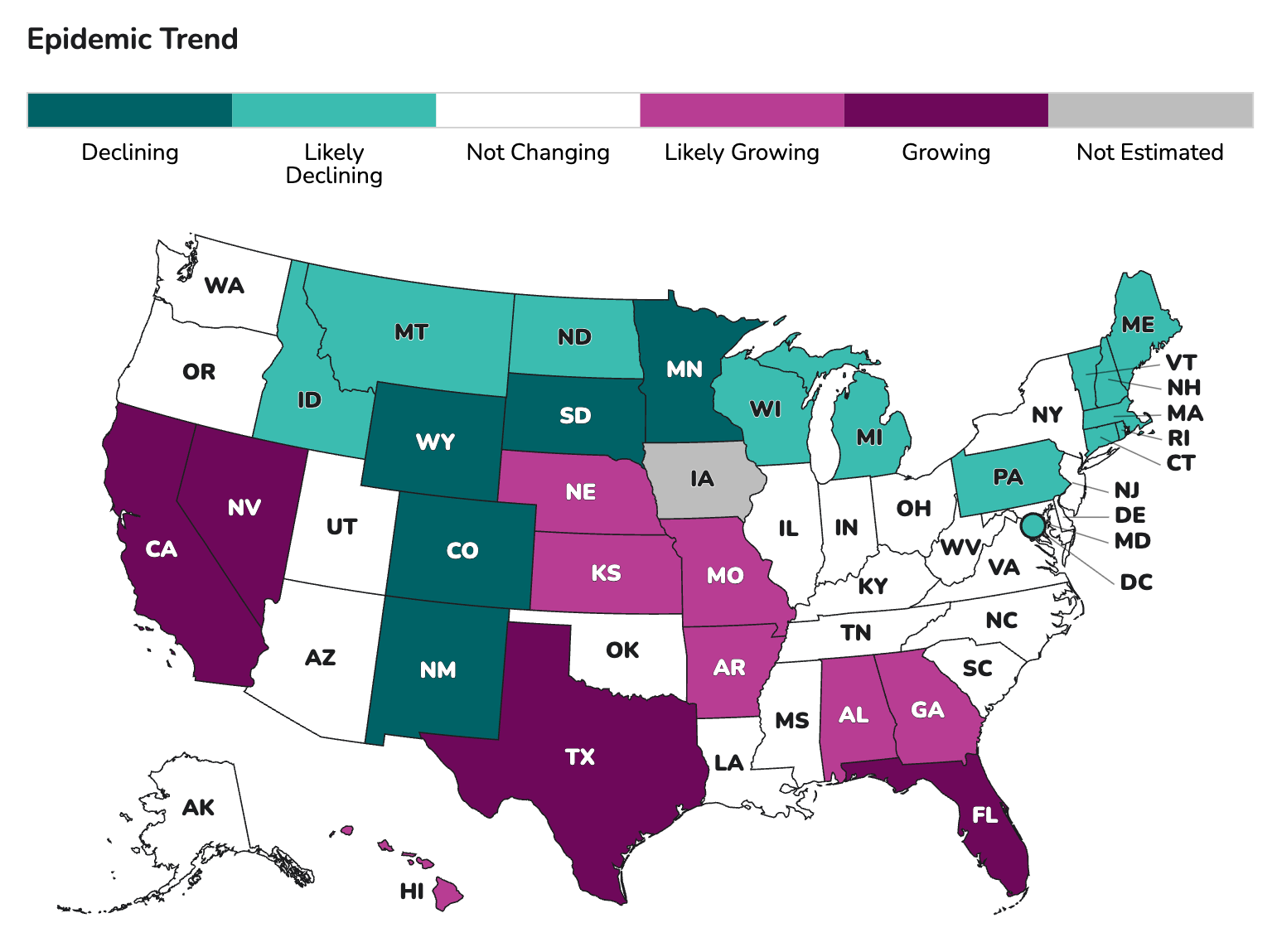 Source: CDC Covid modeling
Uncertainty. A few things make this year harder to read than most.
Covid levels in California have been oddly low since last fall — the longest quiet stretch we’ve had since the pandemic began. That means more time has passed since most people’s last infection, or vaccination. Our immunity has had longer to fade. If more of us are susceptible to infection, it could help fuel a summer surge.
Hope: At the same time, we’re light years from 2020, when no one had any immunity. Today, almost all of us have received the vaccine or been infected at least once, and most of us have had more than one of each. Collective immunity is one ingredient in taming pandemic viruses, as they slowly become less damaging and merge into the pool of infectious diseases in our environment.
The current strain: The dominant strain, XFG.1.1 (Stratus), doesn’t appear to be more infectious or severe than what came before. It’s been around for months, and it hasn’t brought any surprises. Some states that saw rises in cases due to Stratus earlier in the summer are already seeing cases on the decline.
Is this the start of our summer surge? Covid is still young as diseases go, and we can’t predict it with confidence yet. Our relationship with this virus is still developing; its rhythms are still in flux and we’re learning more every season. I’m watching for the signal to firm up before I’d call this a surge. But I’d be surprised if rates don’t continue to rise through the next few weeks.
Taking precautions: We know Covid can cause serious illness, and it brings the risk of the enduring harms of long Covid. It’s important to try to avoid infection and to reduce risk of severe disease. We know how to do that.
If you’ve been putting off a vaccine since last fall and you’re at higher risk, this is a good time to get it. The vaccine on the market now is effective against the Stratus variant. The window to get ahead of a possible summer wave may not be open for long.
I’ll be following our Covid activity closely, and provide updates on other precautions if we start seeing more transmission.
In California, the fastest way to find a Covid vaccine near you is MyTurn.ca.gov, the state’s official scheduling tool — or search vaccines.gov for nationwide pharmacy chains.
The ongoing cyclosporiasis outbreak centered in the East and Midwest is shaping up be the largest in U.S. history. You may have even seen headlines that the “parasite causing ‘explosive diarrhea’ has reached California”. Here’s what you need to know, starting with a more accurate, if less click-catching, message: California is not among the states seeing increased cyclosporiasis.
A quick refresher: Cyclosporiasis is an intestinal infection caused by Cyclospora, a microscopic parasite spread through contaminated food or water — most often on fresh produce like berries, herbs, and leafy greens. It doesn’t spread person-to-person, and it takes one to two weeks after exposure for symptoms — watery, “explosive” diarrhea, cramping, and fatigue — to show up. It’s treated with a course of antibiotics (usually trimethoprim-sulfamethoxazole), plus rest and fluids.
How do we know California isn’t caught up in the national outbreak? An outbreak is defined as an increase in cases beyond what’s normally expected. Over the past 10 years, California has averaged 106 cyclosporiasis cases annually. From January through June 2026, we’ve logged 41 cases — compared to 80 over the same stretch in 2025.
We’re running below our usual pace, not above it.
Compare that to Michigan, with over 3,700 provisional cases so far — more than 70 times its typical annual count.
Food distribution patterns: Another sign that California has been spared is the pattern of cases nationally. Concentrated surges of foodborne illnesses limited to certain states is the mark of a regional food distribution network — not a nationally distributed product. The sharp geographic pattern is a clue. Our absence of new cases suggests we’re not in the distribution network of the culprit product, even though we don’t yet know what that product is.
Cyclosporiasis cases in the US since May 1, 2026
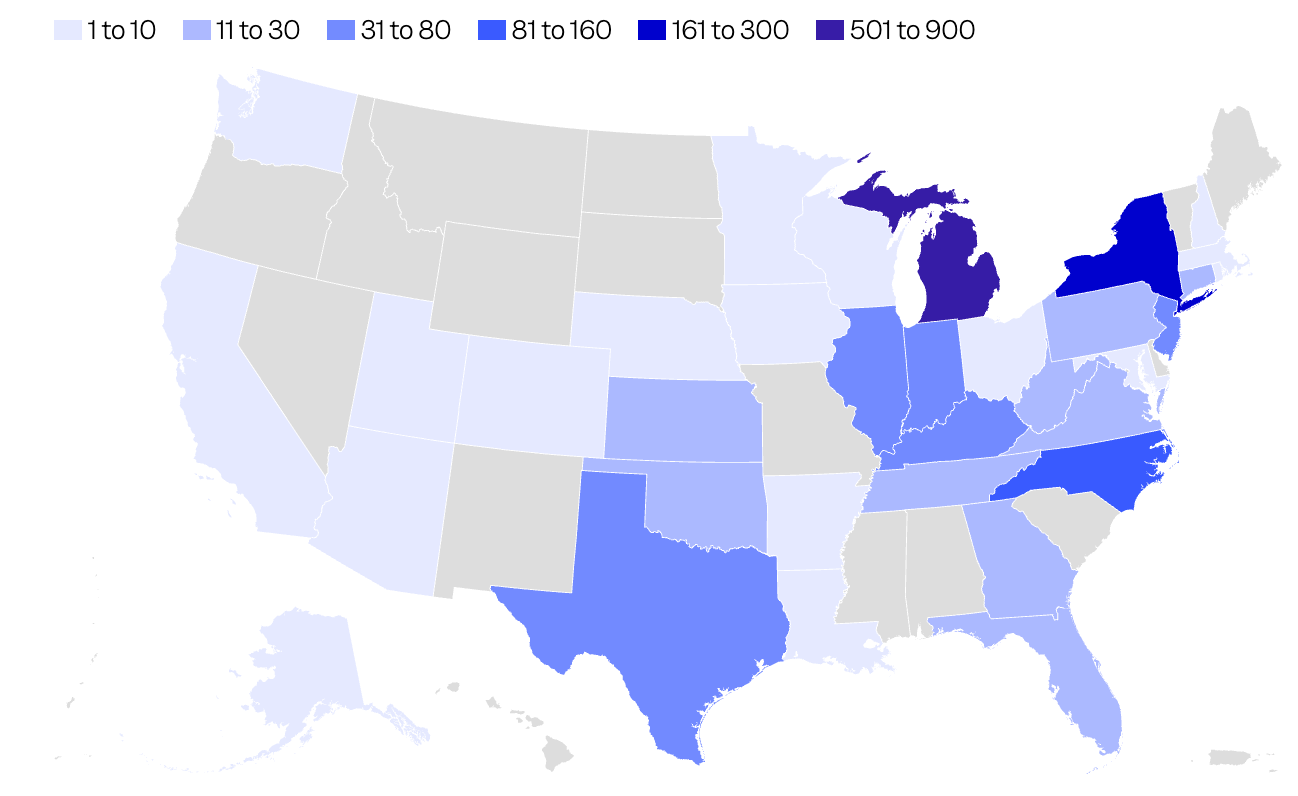 Western states are not seeing higher than normal rates. Source CDC
Where are Californians typically infected? Historically, about 90% of California’s cases are in travelers returning from regions where the parasite is more common. This year fits that pattern: of our 41 cases this year, 36 had recently traveled abroad, and four had recently returned from the midwest.
Are we testing for it? Yes. Cyclosporiasis is a reportable disease in California: any lab or clinician who identifies a case is required to notify the state health department. That surveillance pipeline hasn’t changed, and it isn’t picking up any uptick.
Expect more cases in California. Even in normal years, numbers tick up month by month as domestic and travel-associated cases are investigated and confirmed. This may accelerate with more awareness and vigilance in seeking care and in testing. More California cases won’t automatically mean we’re experiencing an outbreak.
What would concern me is a rapid rise in cases among Californians with no recent travel history — that could mean the contaminated product has reached our supply chain. The likelihood of that happening decreases as investigators get closer to finding the culprit.
None of this is a reason to eat less fresh produce. This is a good time to remember that consuming fresh fruits and vegetables is one of the healthiest things we can do. A review of 95 prospective studies found cardiovascular disease and deaths from any cause decline as fruit and vegetable intake increases. Another analysis of 833,000 people found each additional daily serving of fresh produce cut overall mortality risk by about 5%.
The cost of eating too little produce harms far more people than cyclosporiasis, without making headlines. The right response to this outbreak isn’t avoidance of produce, especially in California where we’re not seeing evidence of contaminated foods. Still, there are simple steps we can all take to limit our risk.
Precautions to take:
Wash all fruits and vegetables thoroughly under running water before eating, cutting, or cooking. Scrub firm produce (like melons and cucumbers) with a clean produce brush.
For vulnerable populations (older adults, young children, pregnant women, immunocompromised people), cook vegetables and herbs whenever practical.
Prevent cross-contamination: Use clean cutting boards, utensils, and food-contact surfaces. Keep ready-to-eat foods separate from raw produce during preparation.
Refrigerate cut, peeled, or cooked fruits and vegetables as soon as possible (within two hours).
Avoid food or water that may be contaminated by human feces, especially when traveling to countries where tap water or food may be unsafe.
As a health officer in the pandemic, after about the 7th curve ball I learned to respect how much we don’t know about Covid. This year is no different, as we face the possibility of a summer surge. For both Covid and cyclosporiasis, we’re learning together and responding in ways we know protect us. I’ll continue to follow these emerging trends, and try to provide clear guidance while acknowledging uncertainties.
Please put you questions in the comments, or email, and I’ll see you next week!
Love,
Matt
Dr. Matt Willis is the author of Your Local Epidemiologist in California. A California native, he’s served as a primary care physician, CDC epidemiologist, and public health officer for Marin County, where he guided the pandemic response. He lives in Marin with his family and their dogs Teddy and Ramona.
A special thanks to Emely Bonilla, Masters in Public Health candidate at UC Berkeley and summer intern at YLE, for her contributions to today’s edition.