
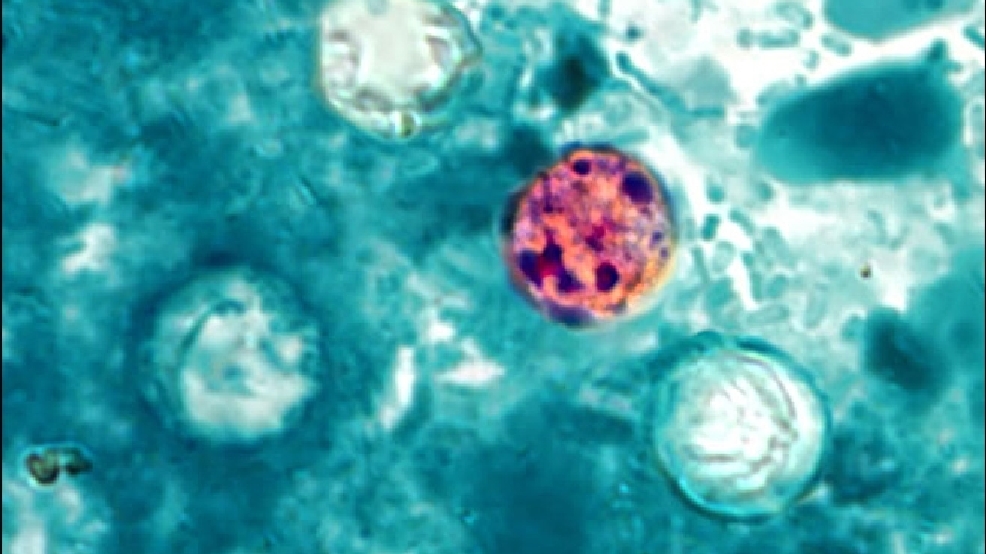
FRESNO, Calif. (FOX26) — The Fresno County Department of Public Health has confirmed one case of cyclosporiasis, a rare intestinal illness caused by a parasite, but health officials say the case is not connected to outbreaks reported in other states.
According to the Fresno County Department of Public Health, there are no known local outbreaks in California, and Fresno County’s case is not currently linked to the multistate outbreaks being investigated by health officials.
Cyclosporiasis is caused by the Cyclospora parasite and is typically spread by consuming food or water contaminated with human feces.
Health officials say the parasite must spend at least one to two weeks outside the body before it becomes infectious.
Person-to-person spread is considered unlikely.
Cyclosporiasis cases are rare in Fresno County. Health officials say the county reported one confirmed case in 2025.
Cases are required to be reported under Title 17 of the California Code of Regulations and are typically reported to the Fresno County Department of Public Health by healthcare providers, hospitals, and laboratories.
The California Department of Public Health says the state is not currently experiencing an increase in cyclosporiasis cases.
From January through June 2026, California reported 41 provisional cases, compared to 80 cases during the same period in 2025.
State health officials say most California cases are linked to international travel, but they continue to monitor for cases acquired within the state and possible outbreaks.
“It’s important to understand that California experiences cases of cyclosporiasis every year,” said Dr. Erica Pan, director of the California Department of Public Health and State Public Health Officer. “Cases for 2026 are well within expected ranges for California, and we are not currently one of the states experiencing increased cases or an outbreak.”
Health officials say some states in the Midwest and East Coast are currently seeing higher numbers of cases.
California is monitoring for cases connected to travel to those areas and looking for any clusters that could indicate local transmission.
Health officials recommend these steps to reduce risk:
Wash hands with soap and water before and after handling fruits and vegetables.Thoroughly rinse produce under running water before eating, cutting, or cooking.Scrub firm produce, such as melons and cucumbers, with a clean produce brush.Remove and discard outer leaves of lettuce and leafy greens.Keep raw produce separate from ready-to-eat foods to prevent cross-contamination.Refrigerate cut, peeled, or cooked fruits and vegetables within two hours.Cook vegetables and herbs when possible, especially for older adults, young children, pregnant women, and people with weakened immune systems.Avoid food or water that may be contaminated, especially while traveling internationally.
Health officials note that washing produce may not completely remove Cyclospora, and cooking is recommended when possible.
Past U.S. foodborne outbreaks have been linked to imported fresh produce, including raspberries, cilantro, basil, snow peas, and mixed salad products.