
Lee was arrested four days later, leading to a landmark legal case over the enforcement of the Fugitive Slave Act of 1850 in California, where slavery was prohibited.
On April 14, 1858, U.S. Federal Commissioner George Pen Johnson ruled that Lee was a free man, determining that his enslaver had voluntarily brought and settled him in California.
Lee’s case drew statewide and national attention and helped mobilize support from African American communities in Sacramento, San Francisco and other free states. Advocates publicly advocated for Lee’s freedom and raised funds for his legal defense.
The National Underground Railroad Network to Freedom recognizes places and programs with verified connections to the Underground Railroad, the network of people, safe houses and routes that helped an estimated 100,000 enslaved African Americans escape slavery.
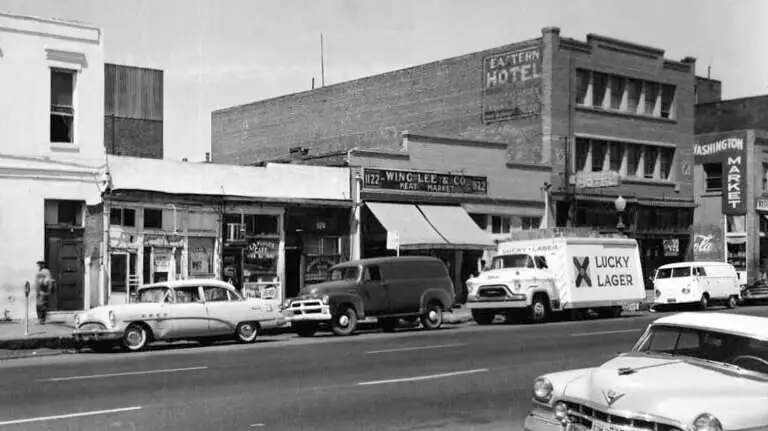
The Hackett House site is recognized for its documented connection to Lee’s escape and the legal battle that followed, making it one of the best known freedom-seeking stories in the American West. Although the original building no longer exists, the site remains an important place for interpreting Sacramento’s role in the Underground Railroad and preserving the history of Lee’s fight for freedom.
Community members can explore the Hackett House site and other Network to Freedom locations across the country on the National Park Service website.