
Twenty thousand Oaklanders are receiving letters asking how they want to fill approximately 3,500 vacant lots and storefronts across the city. Of those who respond by mail by July 17, 40 will be selected to form a civic assembly and draft a plan.
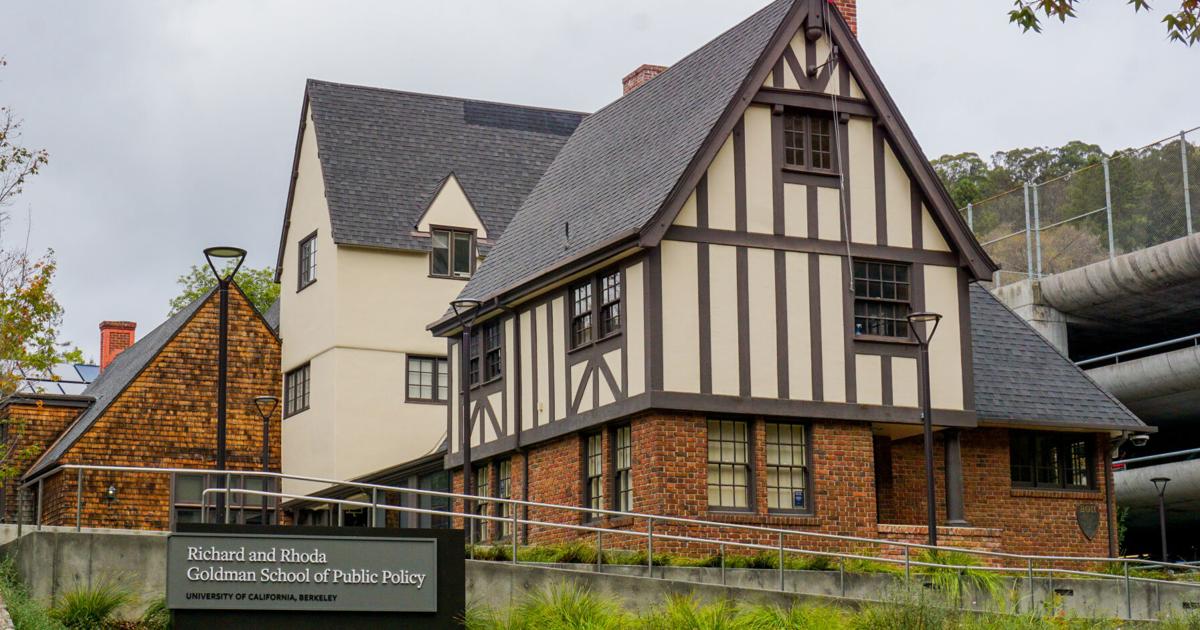
In collaboration with the UC Berkeley Goldman School of Public Policy, a newly formed Community Steering Committee composed of East Bay-based community leaders has created an initiative to bring Oakland residents directly into the decision-making process for their community.
The idea for the Civic Assembly emerged from conversations between UC Berkeley professor Angela Blackwell and Goldman School Dean David Wilson.
“I became fascinated by this idea that ordinary people could be deliberately brought together to be able to debate, consider and make recommendations about important problems in their community,” Blackwell said.
Blackwell said organizers drew inspiration from civic assemblies in Ireland, Brazil and Colombia.
While the 20,000 letters are sent at random and 40 are selected through a lottery system, Blackwell stated that steps are taken to ensure the process represents Oakland’s geographical, economic and ethnic diversity.
Greg Hodge, CEO of Brotherhood of Elders Network, an organization dedicated to uplifting Black men, said the issues that have come up most often throughout his political career are jobs, the economy, public safety and housing. Discussions about vacant lots and storefronts sit at the intersection of these issues.
“An artist who needs a studio, an entrepreneur who’s needing to get started in something that they can afford. People who are thinking about the elderly and children,” Blackwell said. “How do we utilize spaces that are already there? This notion of being able to take vacant lots, storefronts and commercial property and turn them into vibrant assets just seems to be an issue that was ripe for what we wanted to do.”
Once the 40 respondents are selected, they will meet over three weekends in August, September and October. Blackwell stated that transportation, translation, childcare and other necessary services will be provided, alongside a payment of $1,350.
After the three weekends, participants will draft a report to present to City Council and Oakland Mayor Barbara Lee. Blackwell encouraged community members to attend City Council meetings and provide their input even if they were not among the 20,000 randomly selected recipients.
“The everyday Oaklander ought to be able to weigh in, not just through our representative government, but through direct contact with the process, direct contact with an important public question, and I think that input will give us even more energy to do this work well,” Hodge said.