
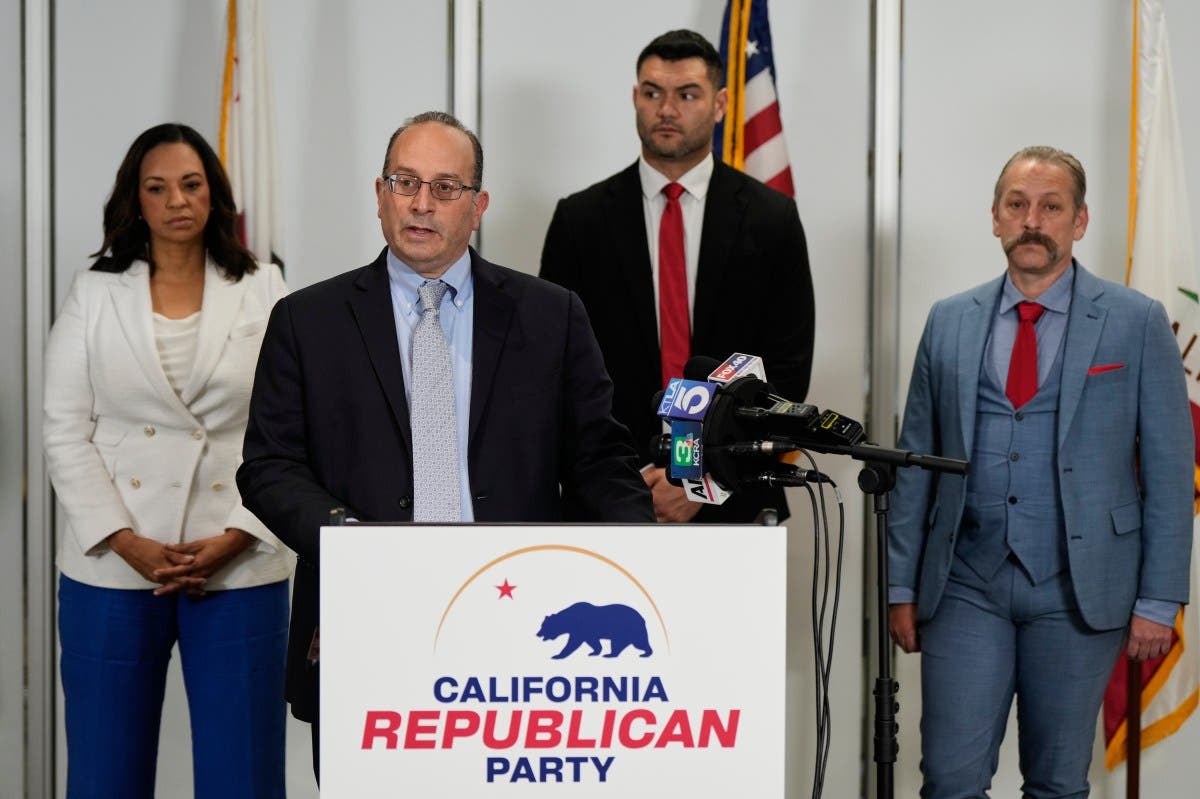
California Republicans filed a federal lawsuit Wednesday seeking to block a newly approved U.S. House map that voters passed as Proposition 50 in Tuesday’s election.
The lawsuit, filed in the U.S. District Court for the Central District of California, claims the new map illegally uses race as a factor to favor Hispanic voters and violates the Constitution’s equal protection and voting rights guarantees.
 Why It Matters
The measure, backed by Democratic Gov. Gavin Newsom, redraws congressional boundaries in ways analysts say could help Democrats flip as many as five House seats in next year’s midterm elections.
What To Know
The new congressional map will create more Democratic seats in California, potentially neutralizing a Republican-favoring redistricting plan advancing in Texas and other Republican states.
If there are more California Democrats, this would also help the party more broadly in the November 2026 midterms. Republicans hold a narrow 219-213 House majority, meaning a net loss of just six seats would cost them control of the chamber.
If the Democrats gain the House, they will be able to control the passage of key legislation and act as a roadblock to the Trump administration’s priorities.
The suit was filed by the Dhillon Law Group, a California-based firm founded by Harmeet Dhillon, who now serves as assistant attorney general for civil rights at the U.S. Department of Justice.
Republicans have filed several unsuccessful challenges to redistricting efforts backed by Democrats in recent years.
What People Are Saying
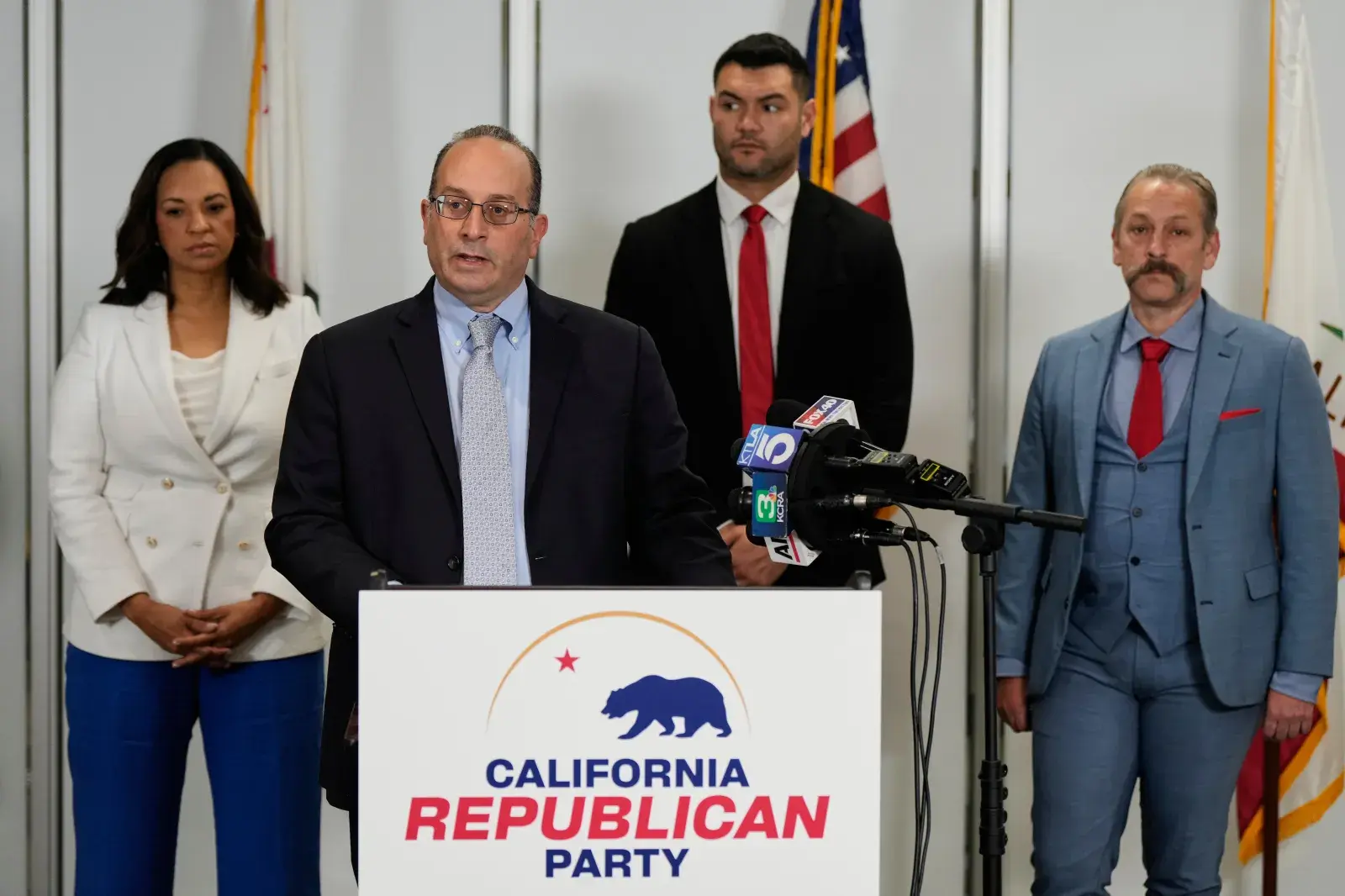
Attorney Mike Columbo, whose clients include a state lawmaker and 18 other voters, “The map is designed to favor one race of California voters over others. This violates the 14th Amendment’s guarantee of equal protection and the 15th Amendment’s protection of voting rights.”
Newsom’s office responded in a social media post, saying the state had not yet reviewed the lawsuit but was confident it would fail. “Good luck, losers,” the post read.
 What Happens Next
It is unclear whether a three-judge federal panel will issue a temporary restraining order before Dec. 19, when candidates can begin collecting voter signatures to offset filing fees for the 2026 elections.
This article includes reporting by the Associated Press.