
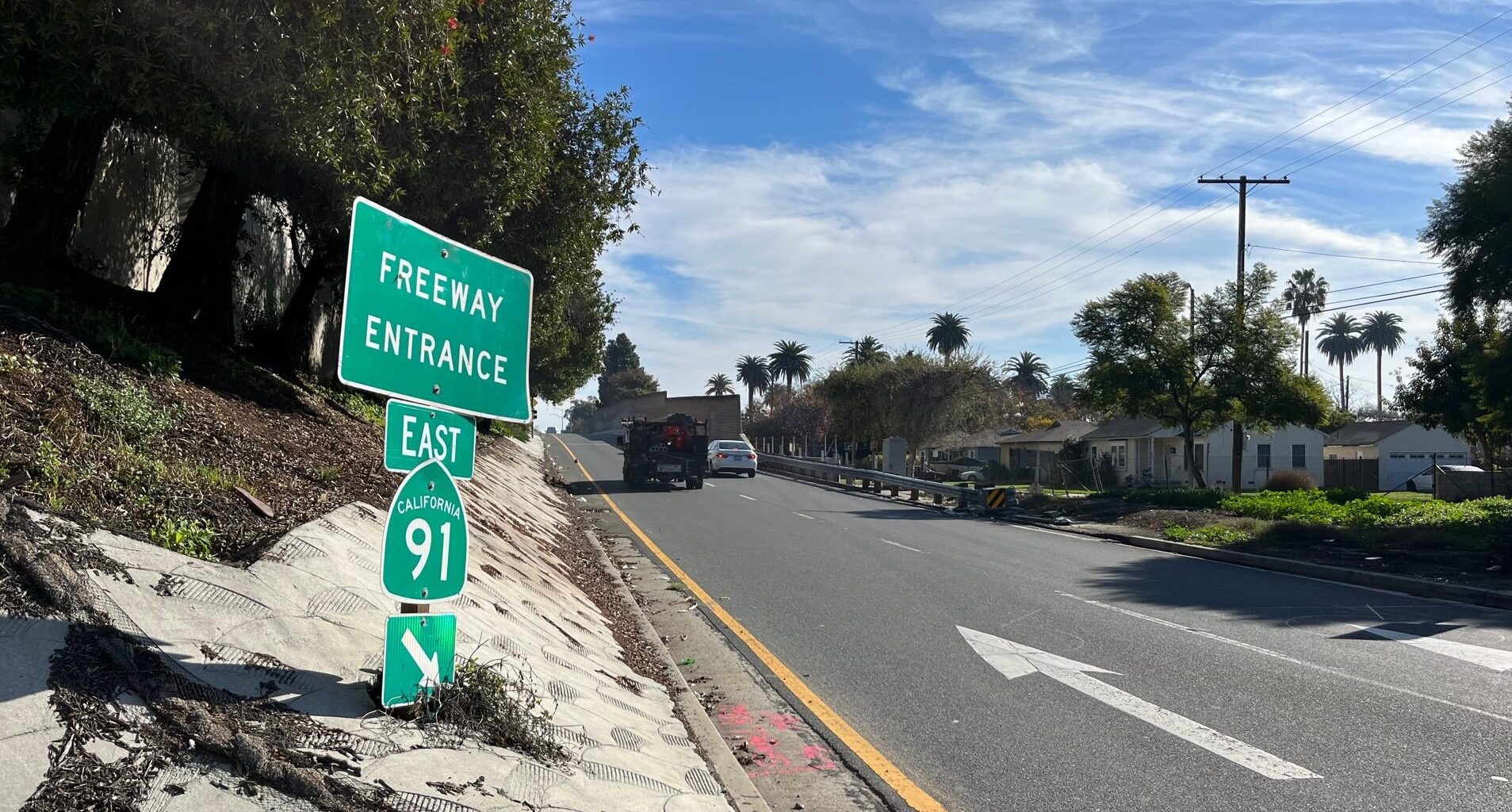
Every year Metro spends hundreds of millions of dollars widening L.A. County freeways. Metro’s own analysis found that its freeway capacity expansion projects are worsening global warming emissions more than Metro transit projects are helping. Next week, the Metro board will consider approving $100+million dollars for three freeway projects.
The approvals include additional funds for one freeway widening that L.A. County Supervisor Hahn had canceled after North Long Beach communities protested against it.
This latest freeway expansion funding is part of a $125+ million Measure R subregional highway program item [staff report, budget allocation spreadsheet] that was approved by Metro’s Planning and Programming Committee earlier this week. At that meeting, Supervisor Lindsey Horvath voted against freeway widening, but the proposal passed 4-1 with Boardmembers Jacquelyn Dupont-Walker, Holly Mitchell, Ara Najarian, and Hilda Solis voting in favor.
The Metro Board is being asked to approve:
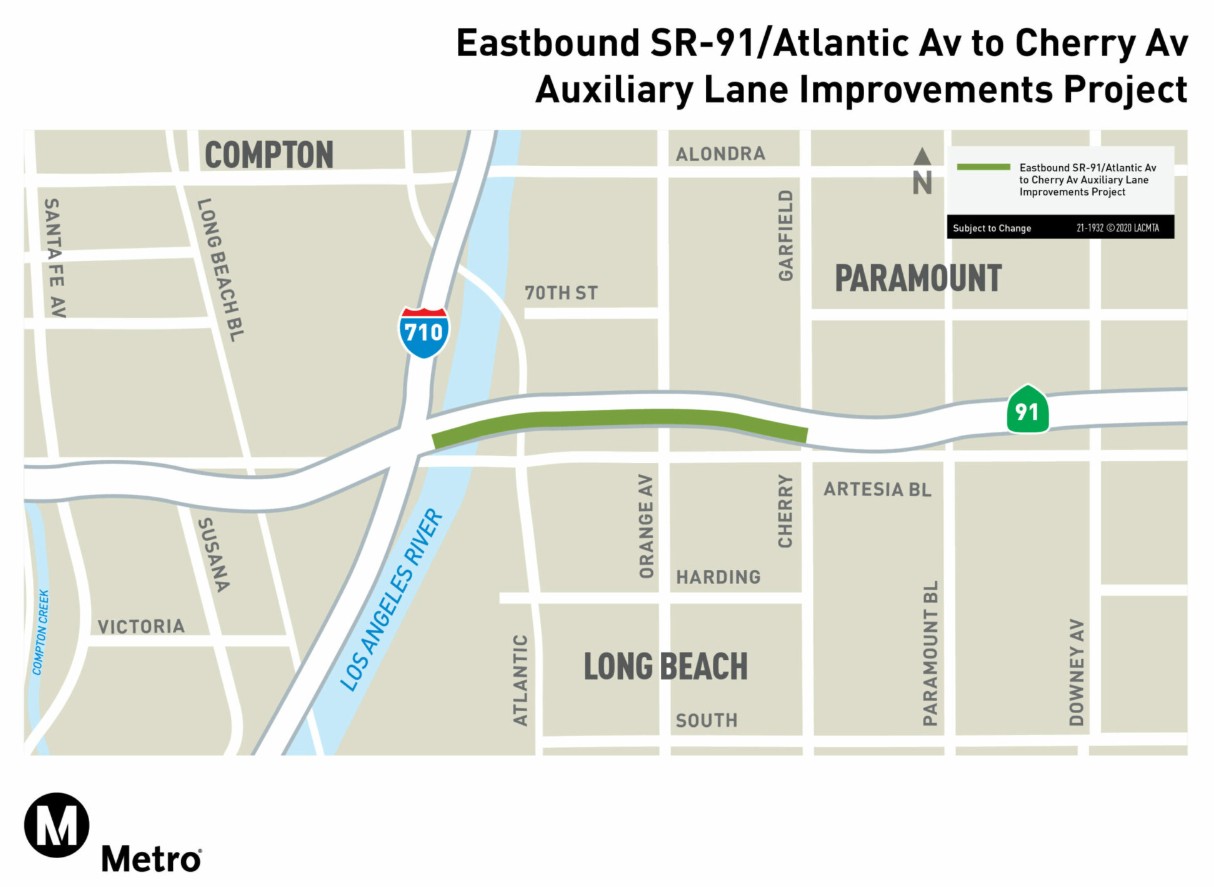 Metro map of 91 Freeway widening project in North Long Beach
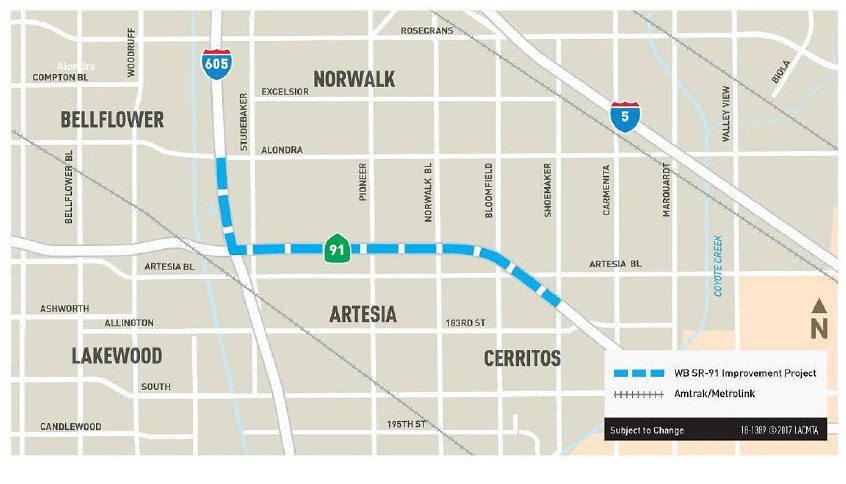 Metro map of 91 Freeway widening project in Artesia and Cerritos
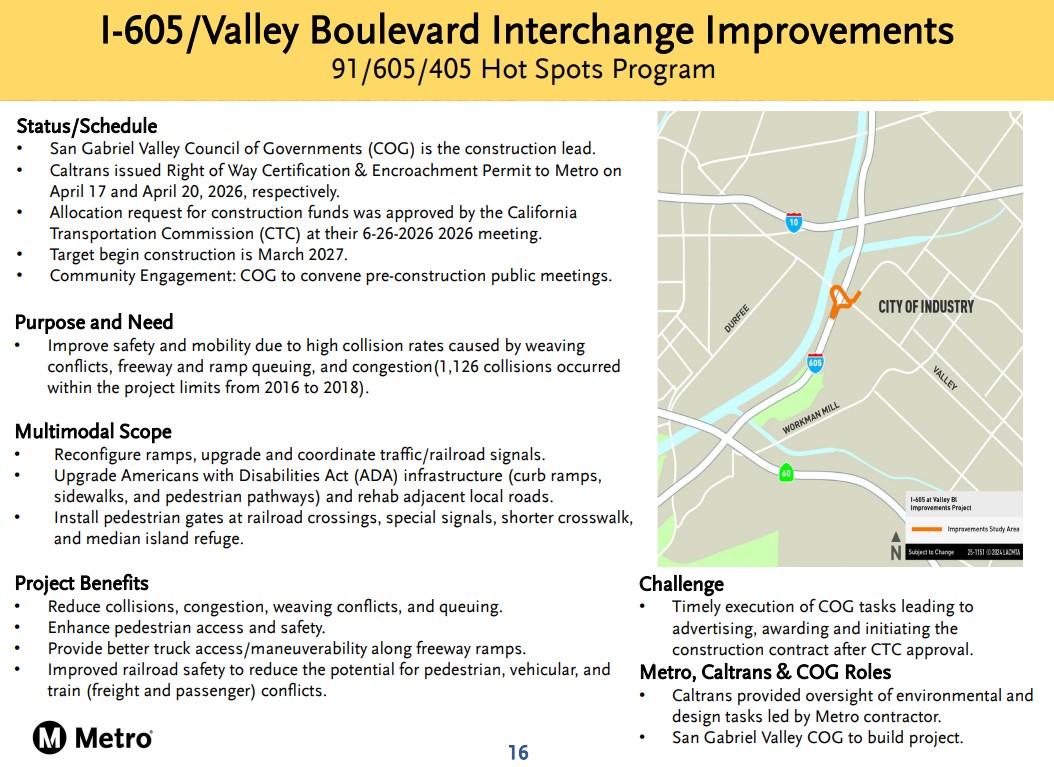 Metro status slide on 605/Valley Blvd ramps project – via July 2026 presentation
The latest $100 million freeway expansion funding will be voted on at the July 23 full Metro board meeting.
The icing on the cake is that Metro’s Orwellian race and equity analyses continue to infer that jamming more and more polluting projects through communities of color is good for those communities.
Every Metro board agenda item includes an analysis of how the item aligns with Metro’s Equity Platform; the analysis theoretically allows to the board to understand project impacts to underserved communities of color, which Metro terms EFCs – Equity Focus Communities.
Sadly, as Metro has asserted in the past, the equity analysis is all in for freeway widening. The freeway funding item analysis [see Equity Platform section at bottom of staff report] does not touch on whether increased tailpipe pollution will further harm already pollution-burdened communities of color. Metro asserts that funding freeways/streets/ramps widening though communities of color “support[s] transportation projects that enhance safety, accessibility, and efficiency, particularly in Equity Focus Communities (EFCs).” Metro lists several EFCs where other projects are located, but quietly omits communities along its 91 and 605 projects.
Metro notes that it trusts someone else to do outreach for these projects, “Each city and/or agency, in collaboration with its subregion, conducts its own community engagement process tailored to the specific transportation improvements being developed.” Then Metro concludes “These locally determined and prioritized projects reflect the needs of the communities they serve.”
This is your money, Metro. You get to decide whether to spend it on projects that harm or help Equity Focus Communities. Projects that don’t meet Metro’s Equity Platform can be canceled or retooled.