
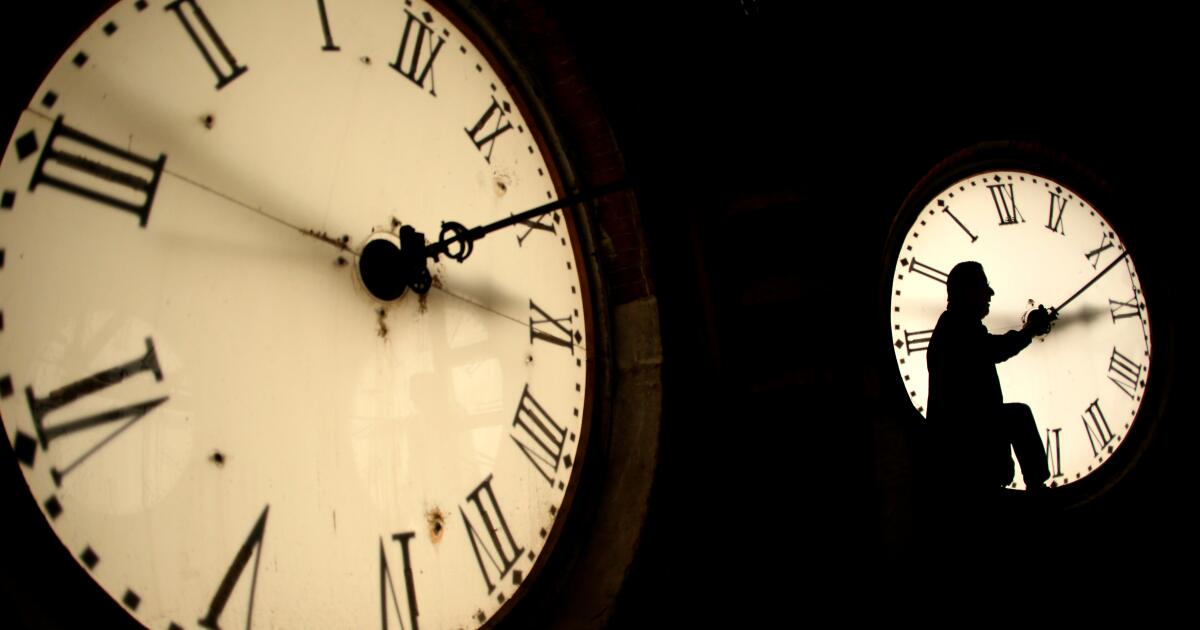
The scourge of changing our clocks twice a year, including the ones in our cars and microwaves, could soon be replaced with darker mornings and lighter evenings.
Yes, friends, the debate over adopting permanent daylight saving time is back and potentially nearing a resolution.
The House of Representatives passed a measure Tuesday to make daylight saving time permanent in almost every state, including California, with the bill awaiting consideration by the Senate and president.
My colleague Iris Kwok detailed the bill’s progress, while Essential California spoke with Temecula’s Wilson Creek Winery, as they considered how the change could affect their businesses.
Let’s jump into the details.
You’re reading the Essential California newsletter
Sign up to start every day with California’s most important stories.
By continuing, you agree to our Terms of Service, which include arbitration and a class action waiver. You agree that we and our third-party vendors may collect and use your information, including through cookies, pixels and similar technologies, for the purposes set forth in our Privacy Policy such as personalizing your experience and ads.
The next steps
The Sunshine Protection Act passed the House with a bipartisan tally of 308-117. A Senate companion bill, S. 29, is still being debated.
Should the Senate pass the bill, President Trump, who has supported the act, would likely sign it into law.
Chances of success
It is unclear whether the current effort has enough support in the Senate to reach the president’s desk.
The Senate’s bill has 19 bipartisan sponsors, including Sen. Alex Padilla (D-Calif.). In a statement last year, Padilla said, “More daylight after work means more business and more active, safer California communities.”
The proposal also has bipartisan opposition.
In a speech last year, Sen. Tom Cotton (R-Ark.) argued that while year-round daylight saving time might benefit some activities and areas — such as golfing in Florida and Alabama — residents of northern states and in western time zones might not see the sun rise until 9 a.m. in the winter.
How DST affects California
Sunrise and sunset times would generally be marked on the clock about an hour later than in standard time.
Instead of switching to standard time in November, states would continue with daylight time year-round. Since it’s unlikely this legislation will pass quickly enough to take effect this year, permanent DST likely won’t happen until 2027.
Its effects, however, would be more profound in the winter. Commutes to work and drives to school would more often take place in morning darkness. On the flip side, evening light would extend an hour longer.
A win for Temecula’s Wilson Creek Winery
The Riverside County winery, with more than 70 acres of vineyards, sees the adoption of daylight saving time as a positive for some employees and not impacting others.
On the farming side, DST has little effect, said vineyard manager Greg Pennyroyal, also a professor of viticulture at Mt. San Jacinto Community College.
“We basically have a rolling schedule and we’re starting about 30 minutes before sunrise every day,” Pennyroyal said. “So, when we’re out there, the sun is peaking out over the horizon and it’s nice and cool.”
Pennyroyal said the legislation may have mattered decades earlier, when the average vineyard worker clocked a 10-hour shift. But with eight-hour shifts, there’s enough daylight in even the shortest winter days.
Where the daylight shift matters, however, is on the hospitality end of his business, Pennyroyal said.
Wilson Creek operates a restaurant along with a bar and grill that feature musical acts, wine tasting and wedding receptions, among other events.
Pennyroyal noted that those workers would need about a week to adapt physically to the time shift, but it could mean more business in the afternoons.
“And having an extra hour of light for business, yes, we would be open to that,” he said.
The week’s biggest stories 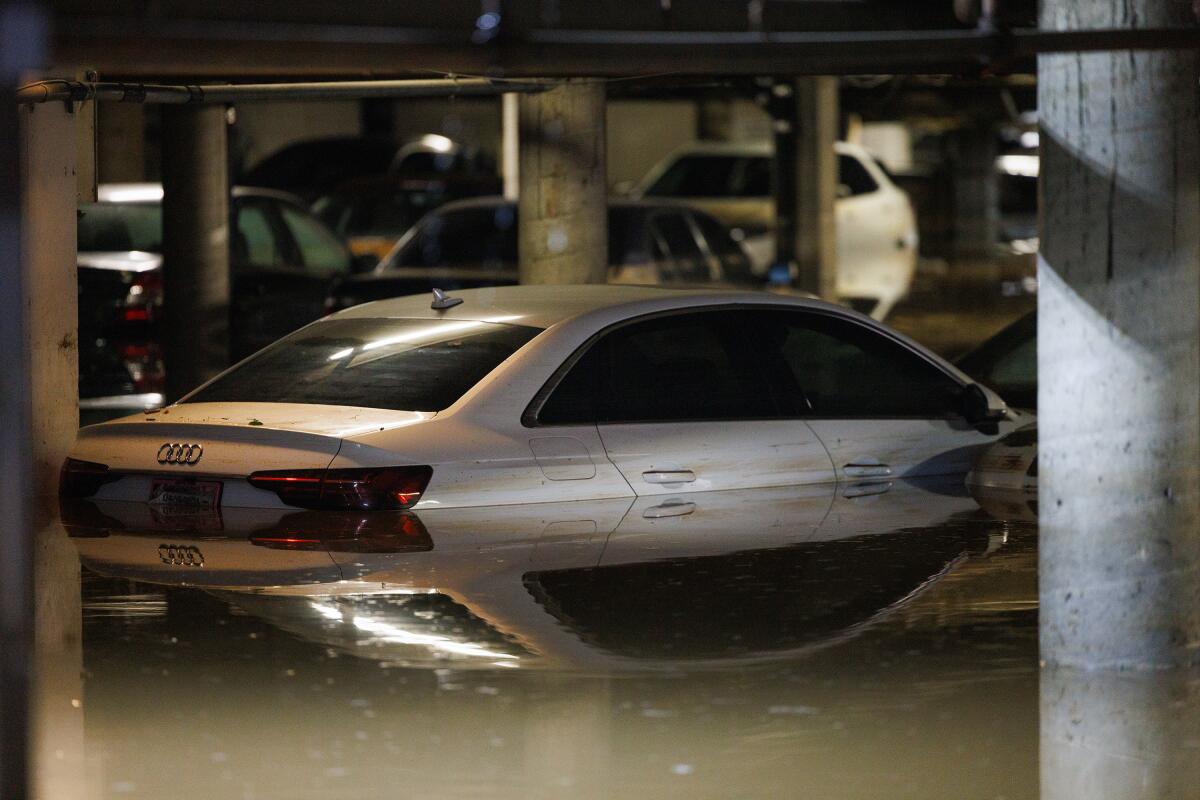
(Jonathan Alcorn / For The Times)
Biblical plagues wrecking L.A. CountyWorld Cup 2026Unexpected deathsHealth and safetyWhat else is going onMust-readOther meaty readsFor your downtime 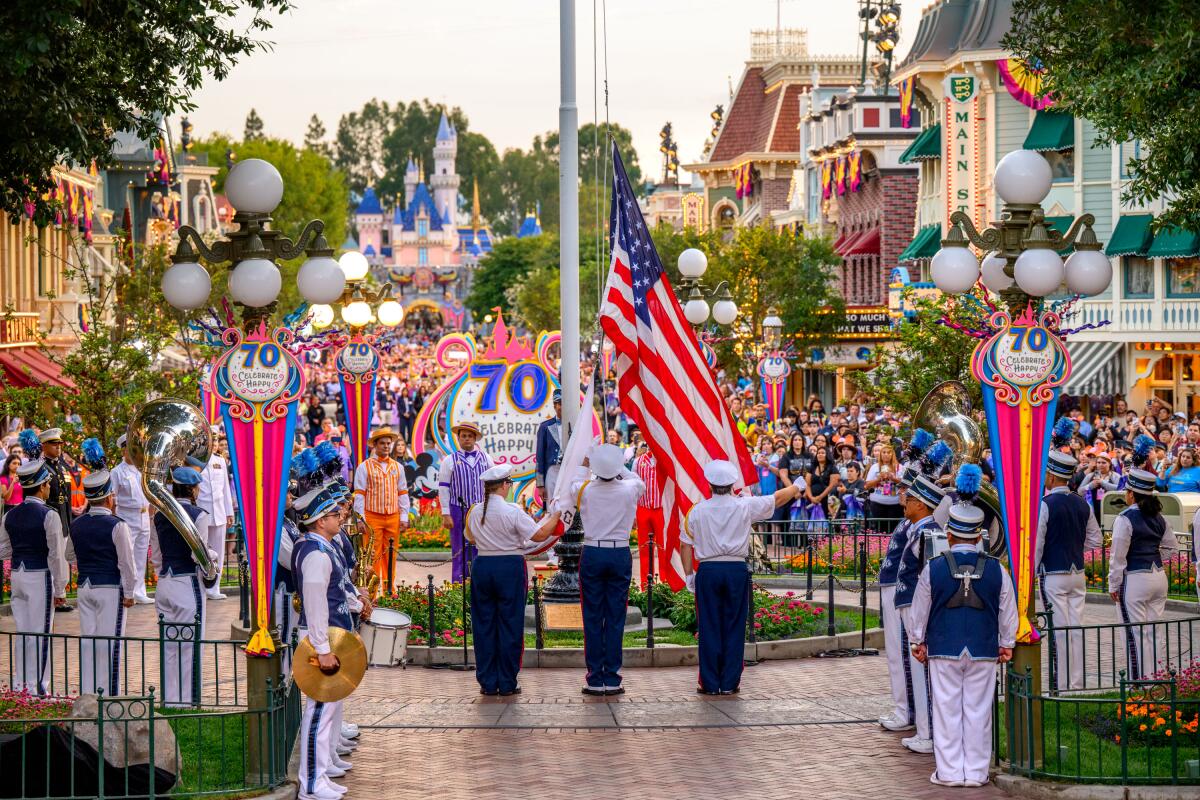
(Richard Harbaugh / Disneyland Resort)
Going outStaying inL.A. Timeless
A selection of the very best reads from The Times’ 143-year archive.
Have a great day, from the Essential California team
Hailey Branson-Potts, staff reporter
Hugo Martín, assistant editor, fast break desk
Kevinisha Walker, multiplatform editor
Andrew J. Campa, weekend writer
Karim Doumar, head of newsletters
How can we make this newsletter more useful? Send comments to essentialcalifornia@latimes.com. Check our top stories, topics and the latest articles on latimes.com.