
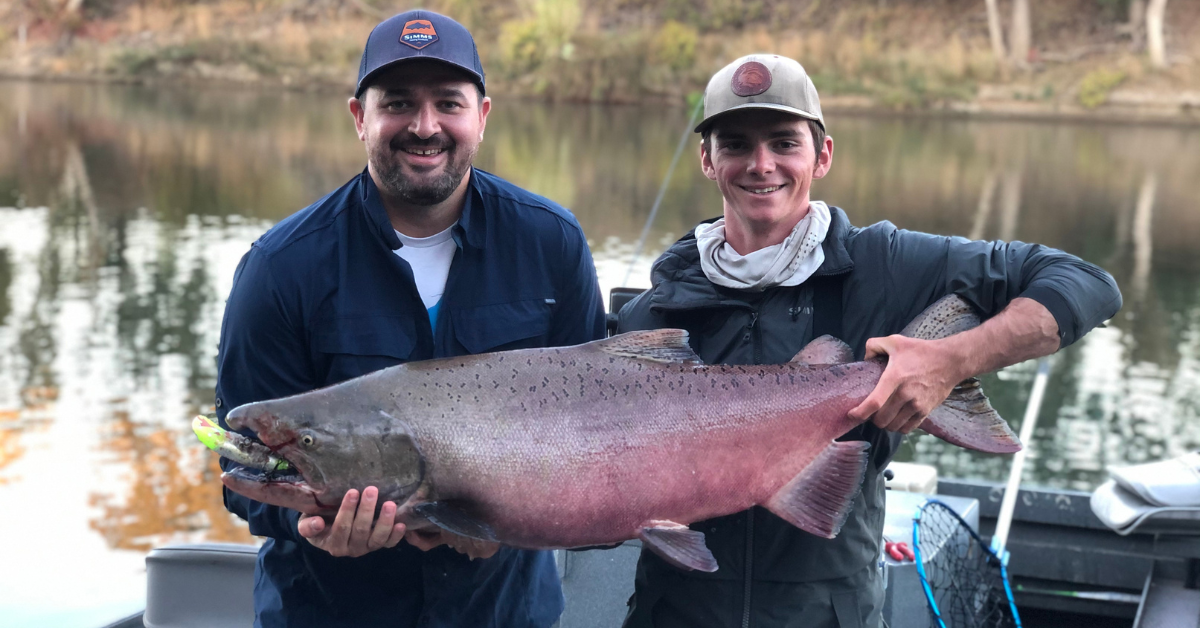
For three years the Sacramento River has been off limits to salmon anglers, and the silence on the water said everything about how bad things had gotten. That ended this week.
California reopened Chinook fishing on the river, closing out a shutdown state regulators imposed after populations fell to critically low levels. Years of drought shrank the cold water salmon need to spawn and survive, and the fishery paid for it.
Anglers need a valid California sport fishing license and are capped at two Chinook per day. The season runs into December.
The numbers behind the reopening are the encouraging part. Restoration work has helped bring more than 21,000 salmon back to spawn, and those fish produced an estimated 500,000 juveniles. Up near Redding, crews are dropping large rocks and whole trees into the river to slow the current and build the sheltered water where young salmon can put on size before making the run to the Pacific. Roger Cornwell of the Sacramento River Settlement Contractors described the goal plainly: hold the fish longer so they leave bigger.
None of this happened by accident. The reopening follows expanded hatchery production, a stretch of decent water years, the Klamath dam removals and a painful run of closures that finally gave the fish room to rebuild. Ocean commercial fishing came back this spring for the first time since 2022, and the Klamath opened July 1.
Biologists are careful to call this a step rather than a finish line. But after three summers of empty boat ramps, a step feels pretty good.