
California residents can now delete personal data from brokers through new online platform | CA Politics 360
Tom Kemp with Cal Privacy, thank you so much for making time for us. Thanks for having me. So how does this drop system work? Yeah, so the Drop system is the delete, request, and opt-out platform. It’s *** free website available at privacy.ca.gov. And it’s available to all Californians and what Californians can do is visit the website, verify that they’re *** resident, put some basic personal information in, hit submit, and then starting August 1st, over 600 data brokers. Have to connect into the platform and begin deleting your information. So this is kind of *** one stop click mechanism to get your data deleted from these companies that you and I don’t have *** direct relationship with that buy and sell our information. So it’s *** way to quickly get control over our personal information. Is this just for California residents or really could anyone get on this website and try to delete? It’s only for Californians now. Other states are looking to adopt something similar to this, but we’re the first state to have done this. OK. What kind of personal information could data brokers have and why are they even using it? Oh my gosh, there’s just so much information that they collect about each and every one of us. So it first starts with our name, where we live, our phone number, our email addresses, but they want. To build out very big dossiers so they can so we can be targeted for advertising and so they’ll have our purchasing habits they’ll have they’ll scrape our social media, they will have our surfing habits they even collect our precise geolocation through integration with mobile apps. *** lot of these free apps, they monetize by selling our actual location. And then they also tie it together with healthcare information. There’s *** lot of healthcare apps that are free that they monetize the data, so all this information gets collected. And turned around and sold to basically anyone with *** credit card. So how does the agency then protect the information once it’s deleted? What happens again after that August 1st deadline to really make sure that people are protected? Sure, so the building block is first and foremost the Cal Privacy Agency. Has *** registry of data brokers. Data brokers, again, these are companies that you and I don’t have *** direct relationship with that have hundreds or millions of Californians’ personal information, very detailed information like I described. First and foremost, we get them to register and these companies can be anywhere in the world, so it’s just not California companies that this focuses on. OK. So there’s right now we have over 600 data brokers that that are in the proverbial system. And then starting January 1st of this year, we built this website. It’s available at privacy.ca.gov. Again, it’s free and it’s actually paid for by the data brokers and their registration fees. So you go in there, you quickly verify your residency. And then you put some basic personal information into the system to facilitate matching with the data brokers. You hit submit and the information immediately gets stored in *** secure manner. And then starting August 1st, the data brokers have to then take their information, use *** similar algorithm to secure the information, and then they map and match the information that’s in the drop system. And if there is *** match, then they have to delete the data as well. The alternative is that Californians would have to contact each and every one of these 600 data brokers, and who’s got time for that, right? So this will take 567 minutes roughly and it will save you hundreds of hours and really allows you to take control over your information with entities that. That you’re their product. You and your data is their product. They don’t have *** direct relationship with you. They sell your data to other people. How will this be enforced after August 1st if data brokers aren’t deleting this information? Then what? Yes, so first of all, we’ve been enforcing the fact that there have been some data brokers that haven’t registered and so we’ve already gone after over *** dozen data brokers to make sure that they’re in the system. And they’ve paid fines in the tens of thousands of dollars, but starting August 1st when they start connecting in and they have 45 days on *** rolling basis to process the deletions, if they fail to delete properly. The fines are $200 per day per incident. So right now we have over 350,000 Californians have signed up. Say that *** data broker doesn’t properly delete, say, 100,000 Californians, that’s 100,000 times 200, so that’s 20 million per day. So the fines can be very dramatic, and we have *** dedicated enforcement team within Cal Priva. that focuses on going after companies that are not respecting Californians’ privacy rights, which includes the Delete Act. So we are going to be very aggressive from an enforcement perspective to make sure that these data brokers are in fact doing the deletion like the system was set up to do. How big is the enforcement team? This sounds like *** lot of work. Well, I don’t want to provide the exact numbers, but. But we have more than 10 people in our enforcement agency and we’ve already done joint enforcement actions, not in the context of the drop system with, for example, with the Attorney General. We did *** joint enforcement against General Motors and four district attorneys. That fine was $12.7 million against General Motors. We’ve done other Seven figure fines against other companies as it relates to them not properly meeting their obligations under the California Consumer Privacy Act and as I mentioned before, we’ve gone after data brokers under the California DLET Act that haven’t properly registered as well, but we we know that this is *** high priority. We want the system to work and so we are going to carefully monitor to ensure. That the data brokers are in fact properly meeting the the will of the of the Californians when they go through the process of submitting their information to get deleted since the Delete Act passed in 2023 from the legislature, has implementation overall gone smoothly? Has there been any um bumps, any needs that Cal Privacy has to ensure that this goes the way, as you said, voters intended? Yes, this is *** really interesting app. This is kind of the first time an agency such as ours has built *** consumer facing app, right? And the good news is that from *** statute perspective we were supposed to deliver it on January 1st. We have delivered it and we track the satisfaction of people going through the process. We have *** very high satisfaction rating as well. The system has been up and available throughout. We haven’t had any unscheduled downtime or anything like that, so it’s *** pretty robust system. And it’s been working so so far so good, and I think in the end the numbers speak for themselves. I mean we’re *** very small agency. And to get 350,000 Californians to sign up, even though deletions haven’t begun, we do further expect now that people see that like, oh, now if I go into the system within 45 days they’ll delete and we’re only about two weeks away from that, that will further accelerate adoption. So pretty soon, probably in the next month or two, we’ll have 1% of Californians signed up and it’s just going to snowball from there. As well, so it’s worked very well. We’ve met the deadlines. The first deadline, of course, was the January 1st. The next deadline is getting the data brokers to begin processing the deletions, and we’ve worked closely with the data broker community to ensure that they can connect into the system and done some initial testing, and so far so good. All right, Tom Cabot, is there anything else you think we should know before we let you go? Well, definitely besides going to privacy.ca.gov and checking out the drop system, and again it only takes *** few minutes and oh my gosh, the power of that to have kind of *** big delete button in the sky to take control of your personal information at the same website we spent *** lot of time documenting like top privacy tips like how to turn off your location information on your phone, how to block third. Party cookies and so what we’re trying to do at Cal Privacy is basically allow Californians to spend 1015 minutes, do *** few things, one of which is drop and get complete control because unfortunately *** lot of our personal information is being weaponized against us and oftentimes the use and misuse of our personal information leads to identity theft and identity fraud. So we feel very good between drop and the privacy tips that there is an opportunity to significantly reduce identity theft and identity fraud moving forward. All right, Tom Kemp, we really appreciate your insight and this information. Thank you. Thanks for having me on.
California residents can now delete personal data from brokers through new online platform | CA Politics 360

Updated: 8:25 AM PDT Jul 19, 2026
California has introduced a free online platform that enables residents to delete their personal data from over 600 data brokers, with enforcement of the system set to begin on August 1. Tom Kemp, a representative from Cal Privacy, explained the Delete Request and Opt-Out Platform (DROP) on California Politics 360. “What Californians can do is visit the website, verify that they’re a resident, put some basic personal information in, hit submit, and then starting August 1, over 600 data brokers have to connect into the platform and begin deleting your information,” Kemp said. The platform, available at privacy.ca.gov, is designed to simplify the process of removing personal data from companies that buy and sell information without direct relationships with consumers. “This is kind of a one-stop click mechanism to get your data deleted from these companies,” Kemp said. Currently, the system is only available to California residents. Data brokers collect a wide range of personal information, including names, addresses, phone numbers, email addresses, purchasing habits, social media activity, web browsing history, precise geolocation data, and even health information. “All this information gets collected and turned around and sold to basically anyone with a credit card,” Kemp said. Starting August 1, data brokers will be required to connect to the DROP system and delete matching data within 45 days. Failure to comply could result in significant fines. “The fines are $200 per day per incident,” Kemp said, adding that the agency has already enforced penalties against data brokers that failed to register, with fines reaching tens of thousands of dollars. The Cal Privacy Agency has a dedicated enforcement team to ensure compliance. While Kemp did not disclose the exact size of the team, he said its effective. “We’ve already done joint enforcement actions, for example, with the attorney general,” he said, citing a $12.7 million fine against General Motors for privacy violations. Since the California Delete Act was passed in 2023, the implementation of the DROP system has gone smoothly, according to Kemp. “We were supposed to deliver it on January 1, and we have delivered it,” he said, noting that the system has had no unscheduled downtime and has received high satisfaction ratings from users. So far, 350,000 Californians have signed up for the platform, and Kemp expects that number to grow significantly as the August 1 deadline approaches. “Pretty soon, probably in the next month or two, we’ll have 1% of Californians signed up, and it’s just going to snowball from there,” he said. KCRA 3 Political Director Ashley Zavala reports in-depth coverage of top California politics and policy issues. She is also the host of “California Politics 360.” Get informed each Sunday at 8:30 a.m. on KCRA 3.
California has introduced a free online platform that enables residents to delete their personal data from over 600 data brokers, with enforcement of the system set to begin on August 1.
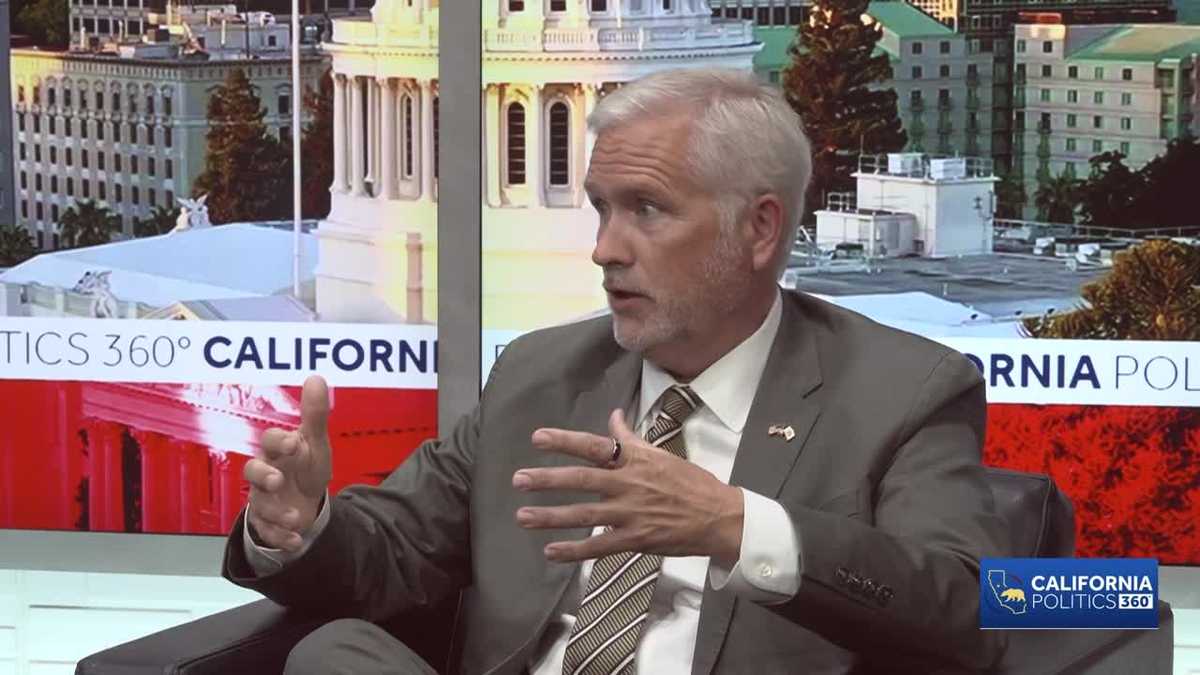
Tom Kemp, a representative from Cal Privacy, explained the Delete Request and Opt-Out Platform (DROP) on California Politics 360.
“What Californians can do is visit the website, verify that they’re a resident, put some basic personal information in, hit submit, and then starting August 1, over 600 data brokers have to connect into the platform and begin deleting your information,” Kemp said.
The platform, available at privacy.ca.gov, is designed to simplify the process of removing personal data from companies that buy and sell information without direct relationships with consumers.
“This is kind of a one-stop click mechanism to get your data deleted from these companies,” Kemp said.
Currently, the system is only available to California residents.
Data brokers collect a wide range of personal information, including names, addresses, phone numbers, email addresses, purchasing habits, social media activity, web browsing history, precise geolocation data, and even health information.
“All this information gets collected and turned around and sold to basically anyone with a credit card,” Kemp said.
Starting August 1, data brokers will be required to connect to the DROP system and delete matching data within 45 days. Failure to comply could result in significant fines.
“The fines are $200 per day per incident,” Kemp said, adding that the agency has already enforced penalties against data brokers that failed to register, with fines reaching tens of thousands of dollars.
The Cal Privacy Agency has a dedicated enforcement team to ensure compliance. While Kemp did not disclose the exact size of the team, he said its effective.
“We’ve already done joint enforcement actions, for example, with the attorney general,” he said, citing a $12.7 million fine against General Motors for privacy violations.
Since the California Delete Act was passed in 2023, the implementation of the DROP system has gone smoothly, according to Kemp.
“We were supposed to deliver it on January 1, and we have delivered it,” he said, noting that the system has had no unscheduled downtime and has received high satisfaction ratings from users.
So far, 350,000 Californians have signed up for the platform, and Kemp expects that number to grow significantly as the August 1 deadline approaches. “Pretty soon, probably in the next month or two, we’ll have 1% of Californians signed up, and it’s just going to snowball from there,” he said.
KCRA 3 Political Director Ashley Zavala reports in-depth coverage of top California politics and policy issues. She is also the host of “California Politics 360.” Get informed each Sunday at 8:30 a.m. on KCRA 3.