
California Senate transportation committee chair demands answers from DMV on driver’s license test | CA Politics 360
Senator Dave Cortese, thank you so much for making time for us. I’m glad to be here. Thank you. So you sent *** list of questions to the DMV *** week ago asking for clarity on this driver’s license test situation. Have you gotten any answers from them yet? No answers yet from the DMV. You know, I did send *** letter about *** week ago. Um, I think there were about *** dozen questions in that letter. Um, those questions were not off the cuff questions. They were questions that Uh, my Senate Transportation Committee staff, uh, helped me, um, write so that we could get that information and and try to determine whether there’s *** legislative response to what’s going on. Um, but, um, so far no response, but I do assure you that we will be following up with DMV and pushing them for *** response soon. I mean, the DMV really hasn’t provided many details, I mean, to, to you or to us other than to say that cheating is involved in this situation. What’s your response to that? You know, the DMV seems to have *** culture that allows them to respond in *** way that is very antithetical, very opposite of the way most elected officials, most legislators are trained. For example, they’ll say how many licenses have been issued over the last 6 months is not public information. Well, how can it not be public information? They’re public documents. It’s *** public agency, the Department of Motor Vehicles, probably one of the most public facing agencies we have in the state of California. I think there’s over *** million driver’s licenses at any point in time, maybe more than that. Why can’t they answer basic questions, you know, at times we’ve heard them over the last 5 or 6 years complain about IT problems. Get them fixed. You know, I, I’m not sure you even need IT to figure out how many driver’s licenses you’ve issued, you know, over the last 6 months or *** year, or how many have been retracted and why, and that’s where this 11,000. Becomes kind of *** double-edged issue. One of it is, you know, the, the massive inconvenience it, it has on people, uh, especially if they’re righteous, especially if they’ve done the right thing, if they’ve checked off all the boxes literally and figuratively, they’ve passed their test. They need to drive and all of *** sudden they’re called back, you know, they’re called back as if that test is no good, and no explanation from the DMV other than about *** one paragraph explanation we’ve seen. And by the way, the media explanation they’ve given, which again is about one short paragraph, is the same explanation they’ve given us orally at this point. So when I say there’s been no response, To my letter, let me clarify that the DMV has responded to ad hoc questions that we’ve asked, you know, one-off questions, individual questions that that I’ve asked, that my staff has asked, and their response thus far has been to resend the same statement they’ve sent to the media, to us now. No disrespect to the media, but I would say if the Senate Transportation chair is asking transportation questions to *** transportation agency in the state of California, we should be getting an articulated response, you know, not some buzzwords that they’re sending out to the media, and I don’t think it’s right what they’re sending out to the media either. You’re doing the job of letting the public know what’s going on, right? But I mean, to your point though, you, I mean, the Senate Transportation Committee is involved in setting policy and helps determine what dollars are. To this agency and just to again circle back to, I think what you were getting at, I mean this essentially the reasoning of *** potential cheating investigation to clarify in your eyes that’s not *** reason to keep information from the public. Is that accurate to say? I, that is accurate to say. I, I don’t think cheating or even ongoing investigations that have been referred to law enforcement, we’ve, we’ve heard. We’ve heard rumored, and not directly from DMV, that that some of these 11,000 may have been referred to local district attorneys or to law enforcement at some level. You know, law enforcement is is *** public agency as well in each county, you know, our AG’s office, you know, puts information out constantly. Sure, they don’t need to go into the specifics of evidence or evidentiary questions, but You know, they can at least tell us specifically where those violations occurred, what the nature of them is, um, how they’ve determined that there’s penal code violations in the first place or fraud, um, what specifically the remedies are for that. Are people prone to, to, to go to jail? Are those misdemeanors? Are they infractions? I mean, these are basic questions we can’t get answers to at this point. And, and I think that. You know, creates *** second tier of concern here, um, beyond, you know, anxiety and, and beyond fear among everyday Californians that *** routine transaction at the Department of Motor Vehicles may get them in trouble somehow, through no fault of their own, perhaps, uh, you have this public policy question as to um How are they spending the money that the legislature appropriates for them? Are they spending it, you know, to target the right people, the wrong people, um, you know, what’s their follow up on that, and, um, and what’s law enforcement doing about it to the extent that they’re involved. So, look, We know so little that for all I know, 11,000 Datches on *** on *** DMV application, on *** driver’s license application, out of *** million applications or whatever the number is. Um, that, that might be legit, but if it is, they should just tell us, um, you know, if they need support for that kind of work, we’d like to hear about it. If it’s appropriate, we’d like to hear about it. If it’s not, if there’s mistakes, if they don’t have checks and balances in there to make sure they’re not catching good people in this, uh, in this web that they’re casting, in this, uh, dragnet that they’re casting. Then, then I think there is legislative policy that’s going to have to respond to it. I know, I mean, when you all come back, uh, when the legislature is back in session in the beginning of August, I mean, I know you have *** condensed time period to get *** lot of things done, but do you foresee the Senate Transportation Committee potentially having an oversight hearing on this? Well, you know, there’s *** couple of members of the committee, the chair and the vice chair, that have shown great interest in this. I can only imagine when The other members come back and there’s more than *** dozen members on that committee, I think 17 at last count. It’s bipartisan. There’s been *** bipartisan response to this so far that’s been very consistent. This isn’t an issue of Republicans and Democrats not agreeing. This is ***, this is an issue of people wanting answers from both parties, from both sides of the aisle. So I think it’s quite possible that Uh, either in my committee, we, we haven’t gone that far yet, but if we don’t get answers that are satisfactory, the next step is generally to call *** public hearing before the Transportation Committee. Um, sometimes we do that jointly with the other house, with the California State Assembly. Um, you know, that’s absolutely not out of the question, uh, that, that we might do that, um, sooner rather than later, and I’d say the latest we would do that would be right after the first of the year when everybody comes back, so we have *** full complement of legislators there to ask their questions. Senator Cortese, thank you so much for your time. Yeah, thank you.
California Senate transportation committee chair demands answers from DMV on driver’s license test | CA Politics 360

Updated: 8:25 AM PDT Jul 19, 2026
Chairman of the California State Senate’s Transportation Committee, Senator Dave Cortese, is urging the California Department of Motor Vehicles to provide detailed answers about a driver’s license test issue that has impacted 11,000 licenses, saying the agency has failed to adequately respond to his inquiries. “No answers yet from the DMV,” Cortese said in an interview on California Politics 360 after sending a letter to the agency last week with about a dozen questions. “Those questions were not off-the-cuff questions,” Cortese continued. “They were questions that my Senate Transportation Committee staff helped me write so that we could get that information and try to determine whether there’s a legislative response to what’s going on.” Cortese noted that while the DMV has responded to individual questions from his office, the answers have been limited to a brief statement already shared with the media. “I do assure you that we will be following up at the DMV and pushing them for a response soon,” he said. The DMV has cited potential cheating as a reason for the situation but has not provided further details. The DMV provided this statement last week: “The California DMV has identified irregularities in certain driver knowledge test results that may indicate instances of cheating. Through our routine internal monitoring, we reviewed multiple data points and found patterns suggesting that some individuals may have attempted to circumvent the testing process using various cheating methods. As part of this ongoing review, the DMV notified approximately 11,000 individuals that they must return to a DMV office and retake their knowledge test within 30 days. Individuals who do not complete, and pass, the retest will have their driver’s license cancelled. We want to be clear: although these particular test results have been identified as potentially problematic, receipt of a notice alone does not indicate a final determination that cheating occurred in that instance. Nonetheless, these irregularities are test‑taker related and not the result of an internal DMV technical issue, or involvement of artificial intelligence. Ensuring the integrity of the knowledge testing process is essential to public safety and to confirm that drivers understand California’s rules of the road. Several cases have been referred to county district attorneys for further investigation, and we will continue sharing updates as more information becomes available. DMV is not sharing additional information at this time, so as not to reveal investigative methods and protect the integrity of the investigative process.”Cortese criticized the agency’s lack of transparency.”The DMV seems to have a culture that allows them to respond in a way that is very antithetical, very opposite of the way most elected officials, most legislators are trained,” Cortese said. “For example, they’ll say how many licenses have been issued over the last six months is not public information. Well, how can it not be public information? They’re public documents. It’s a public agency.” He expressed concern about the impact on individuals who may have followed all the rules but are now being called back to retake their tests. Cortese also questioned the DMV’s handling of the issue, particularly its communication with the public and lawmakers. “If the Senate transportation chair is asking transportation questions to a transportation agency in the state of California, we should be getting an articulated response, you know, not some buzzwords that they’re sending out to the media,” he said. Cortese raised concerns about the broader implications of the DMV’s actions, including the potential misuse of taxpayer dollars and the anxiety caused to Californians. “You have this public policy question as to how are they spending the money that the legislature appropriates for them,” he said. When asked about the possibility of an oversight hearing, Cortese said it is under consideration. “It’s been very consistent. This isn’t an issue of Republicans and Democrats not agreeing to some. This is an issue of people wanting answers from both parties, from both sides of the aisle,” he said. He added that a public hearing could happen as early as the beginning of next month when the legislature reconvenes. “That’s absolutely not out of the question that we might do that, sooner rather than later,” Cortese said. KCRA 3 Political Director Ashley Zavala reports in-depth coverage of top California politics and policy issues. She is also the host of “California Politics 360.” Get informed each Sunday at 8:30 a.m. on KCRA 3.
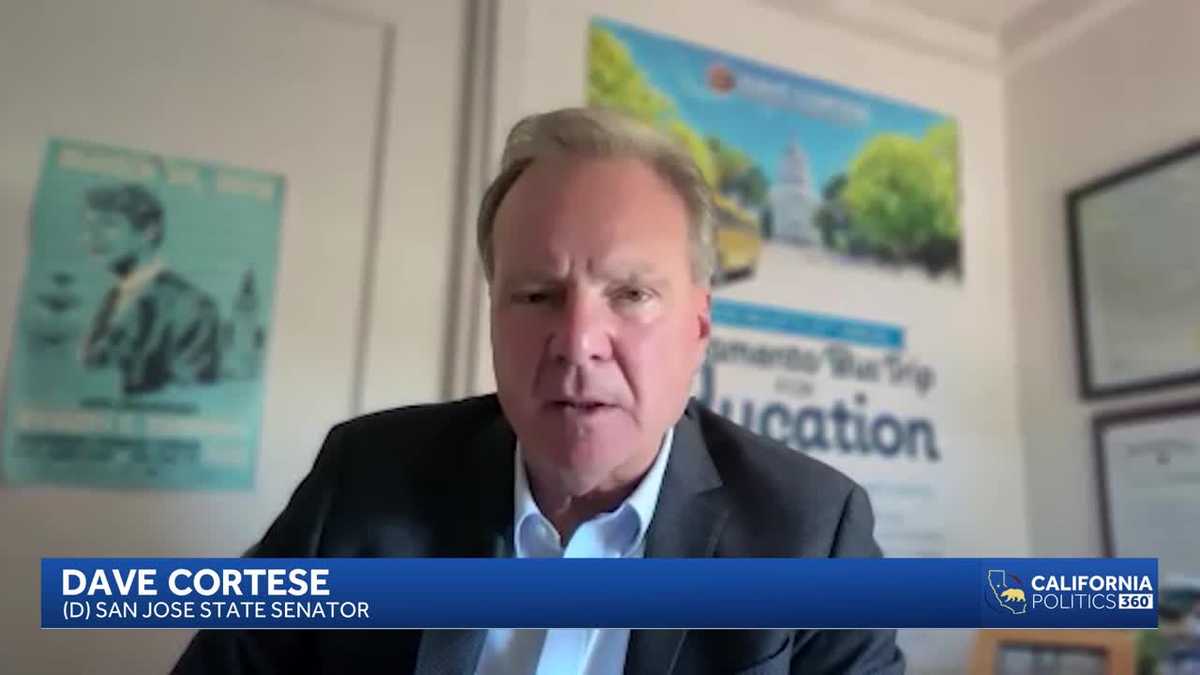
Chairman of the California State Senate’s Transportation Committee, Senator Dave Cortese, is urging the California Department of Motor Vehicles to provide detailed answers about a driver’s license test issue that has impacted 11,000 licenses, saying the agency has failed to adequately respond to his inquiries.
“No answers yet from the DMV,” Cortese said in an interview on California Politics 360 after sending a letter to the agency last week with about a dozen questions.
“Those questions were not off-the-cuff questions,” Cortese continued. “They were questions that my Senate Transportation Committee staff helped me write so that we could get that information and try to determine whether there’s a legislative response to what’s going on.”
Cortese noted that while the DMV has responded to individual questions from his office, the answers have been limited to a brief statement already shared with the media.
“I do assure you that we will be following up at the DMV and pushing them for a response soon,” he said.
The DMV has cited potential cheating as a reason for the situation but has not provided further details. The DMV provided this statement last week:
“The California DMV has identified irregularities in certain driver knowledge test results that may indicate instances of cheating. Through our routine internal monitoring, we reviewed multiple data points and found patterns suggesting that some individuals may have attempted to circumvent the testing process using various cheating methods.
As part of this ongoing review, the DMV notified approximately 11,000 individuals that they must return to a DMV office and retake their knowledge test within 30 days. Individuals who do not complete, and pass, the retest will have their driver’s license cancelled.
We want to be clear: although these particular test results have been identified as potentially problematic, receipt of a notice alone does not indicate a final determination that cheating occurred in that instance. Nonetheless, these irregularities are test‑taker related and not the result of an internal DMV technical issue, or involvement of artificial intelligence. Ensuring the integrity of the knowledge testing process is essential to public safety and to confirm that drivers understand California’s rules of the road.
Several cases have been referred to county district attorneys for further investigation, and we will continue sharing updates as more information becomes available. DMV is not sharing additional information at this time, so as not to reveal investigative methods and protect the integrity of the investigative process.”
Cortese criticized the agency’s lack of transparency.
“The DMV seems to have a culture that allows them to respond in a way that is very antithetical, very opposite of the way most elected officials, most legislators are trained,” Cortese said. “For example, they’ll say how many licenses have been issued over the last six months is not public information. Well, how can it not be public information? They’re public documents. It’s a public agency.”
He expressed concern about the impact on individuals who may have followed all the rules but are now being called back to retake their tests.
Cortese also questioned the DMV’s handling of the issue, particularly its communication with the public and lawmakers.
“If the Senate transportation chair is asking transportation questions to a transportation agency in the state of California, we should be getting an articulated response, you know, not some buzzwords that they’re sending out to the media,” he said.
Cortese raised concerns about the broader implications of the DMV’s actions, including the potential misuse of taxpayer dollars and the anxiety caused to Californians.
“You have this public policy question as to how are they spending the money that the legislature appropriates for them,” he said.
When asked about the possibility of an oversight hearing, Cortese said it is under consideration. “It’s been very consistent. This isn’t an issue of Republicans and Democrats not agreeing to some. This is an issue of people wanting answers from both parties, from both sides of the aisle,” he said.
He added that a public hearing could happen as early as the beginning of next month when the legislature reconvenes. “That’s absolutely not out of the question that we might do that, sooner rather than later,” Cortese said.
KCRA 3 Political Director Ashley Zavala reports in-depth coverage of top California politics and policy issues. She is also the host of “California Politics 360.” Get informed each Sunday at 8:30 a.m. on KCRA 3.