
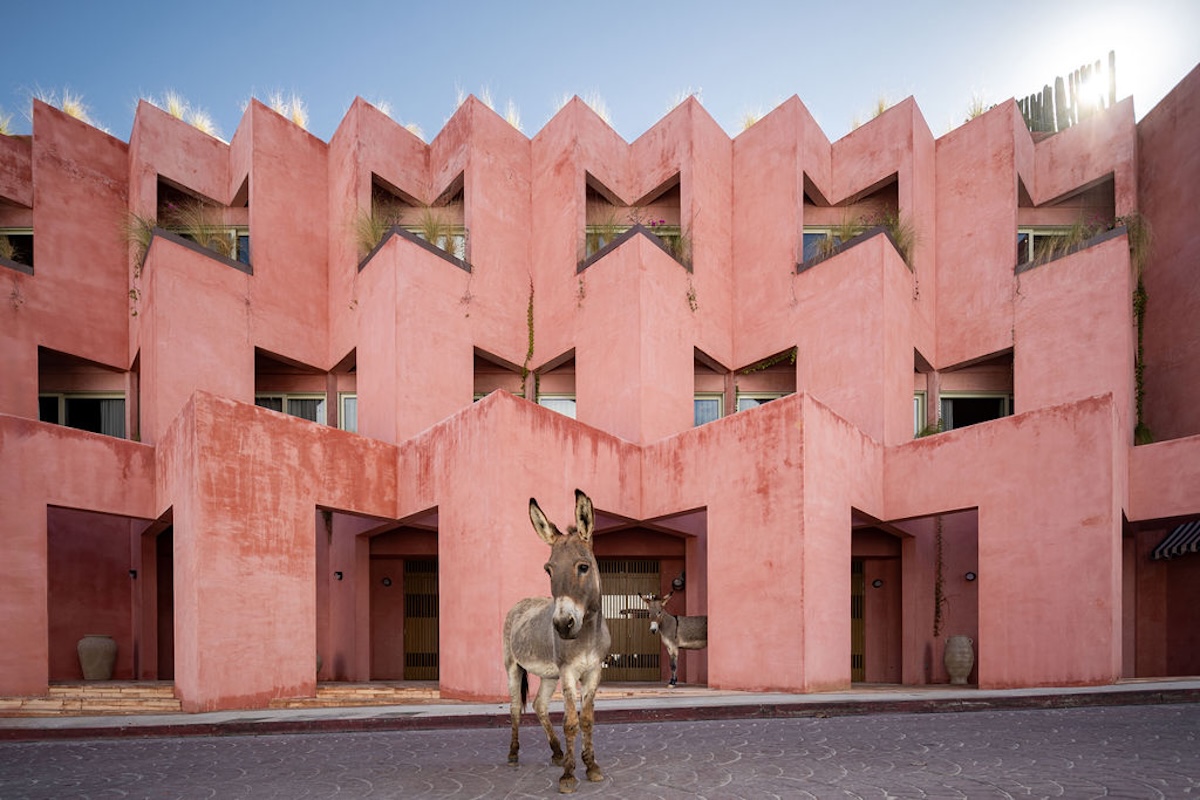
In recent years, I most often associated Mexico with Tulum or Mexico City, until a few years ago, when I visited Baja California Sur, a quieter, sandier version of Mexico in every shade of beige. In this part of the country, San José del Cabo has recently emerged as the creative hub of the Mexican state, a place where the local art scene thrives alongside exciting gastronomy, numerous pottery workshops, surf and road-trip culture, gastronomy and contemporary architecture. LAIVA San José, a new boutique hotel that opened this year and is already on the radar radar of design lovers, fits perfectly into this rhythm.
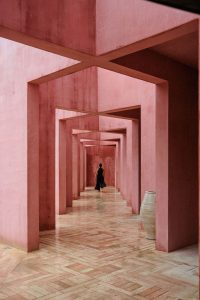
Photo: Oscar Hernandez
Every aesthete will first fall for its monochromatic pink façade. Hardly surprising, as it draws you in like a magnet. But this is not a shade chosen simply because it looks good in photographs. Its distinctive color was inspired by the so-called “desert rose” and the mineral tones of Baja California Sur, which shift in intensity throughout the day under the changing sunlight. The result is a building that takes on an entirely new appearance at different times of day and almost blends into the desert landscape, sea and sky.
Related: This new hotel pool is calling us to dive straight into summer
The architecture is by studio RA!, which envisioned the hotel “as an extension of the city rather than an isolated retreat behind closed doors,” as the team explains when discussing the project. Located just a few minutes’ walk from the historic center of San José del Cabo, LAIVA naturally immerses guests in the rhythm of local life, its galleries, restaurants and small streets for which the city is known.
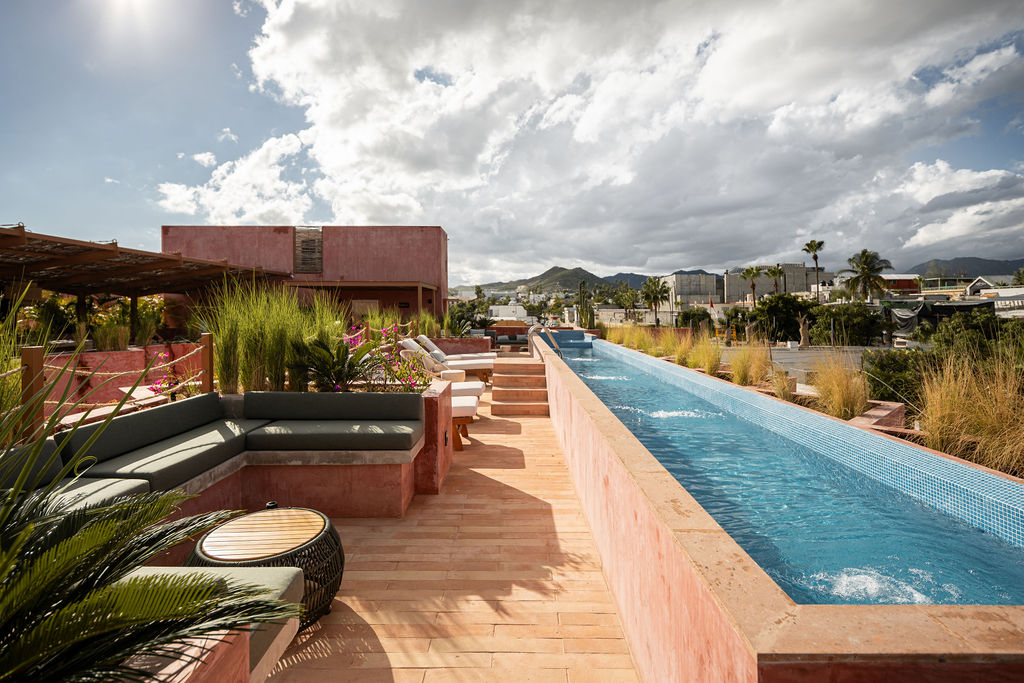
Photo: Oscar Hernandez
What the hotel does particularly well is offer a different kind of atmosphere. The entire concept is rooted in the philosophy of “Architecture for the Senses,” meaning architecture designed not only to look beautiful, but also to influence how we feel. Natural light, open spaces, handcrafted materials, the interplay of shadows and the constant flow of air are all part of the architectural language through which the hotel creates an atmosphere of calm and encourages guests to slow down. Instead of spectacular gestures, the details take center stage here.
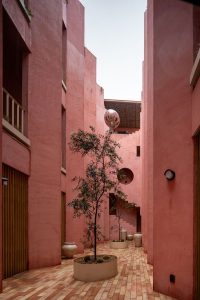
Photo: Oscar Hernandez
The interiors follow the same logic. Earthy tones, mineral textures and natural materials create a space that feels almost meditative, while the rooms emphasize simplicity, airiness and visual calm. It is an aesthetic that will not feel dated after a single season, but instead creates the impression of a place where you could easily spend a week without feeling the need to rush anywhere.
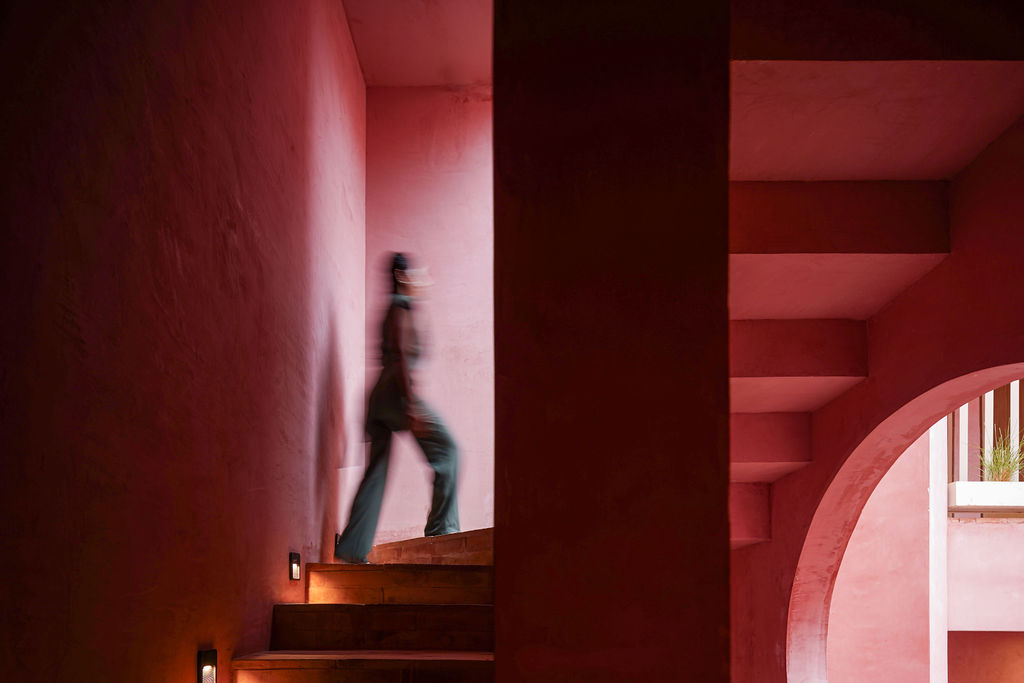
Photo: Oscar Hernandez
One of the places where guests will undoubtedly spend most of their time is the rooftop, with its pool and views over the city. By day, it is conceived as a relaxed terrace for sunbathing and sipping coffee, while in the evening it becomes a spot for cocktails as the sun sets behind the rooftops of San José del Cabo. There is also a specialty coffee bar on the ground floor, while the hotel’s culinary offering is led by Mestizal, whose menu is created by chef Edgar Román, one of the better-known names on the Los Cabos food scene. His cuisine draws on contemporary interpretations of local ingredients and the flavors of Baja California Sur, further reinforcing the idea that the hotel does not want to stand apart from its destination, but to become a natural extension of it.
What makes LAIVA particularly interesting is not merely how photogenic it is, although it will be difficult to avoid on Instagram. Its appeal lies in how it brings architecture, design, gastronomy and local culture together into one cohesive experience. Yes, it is a place to spend the night, but given the atmosphere it offers, it is also much more than that. Hotels like this are becoming the new design destinations. If you have already started planning a trip to Mexico, it is worth adding to your list. Not only because it looks impressive, but because it shows how a contemporary hotel can be so much more than a beautifully designed interior.