
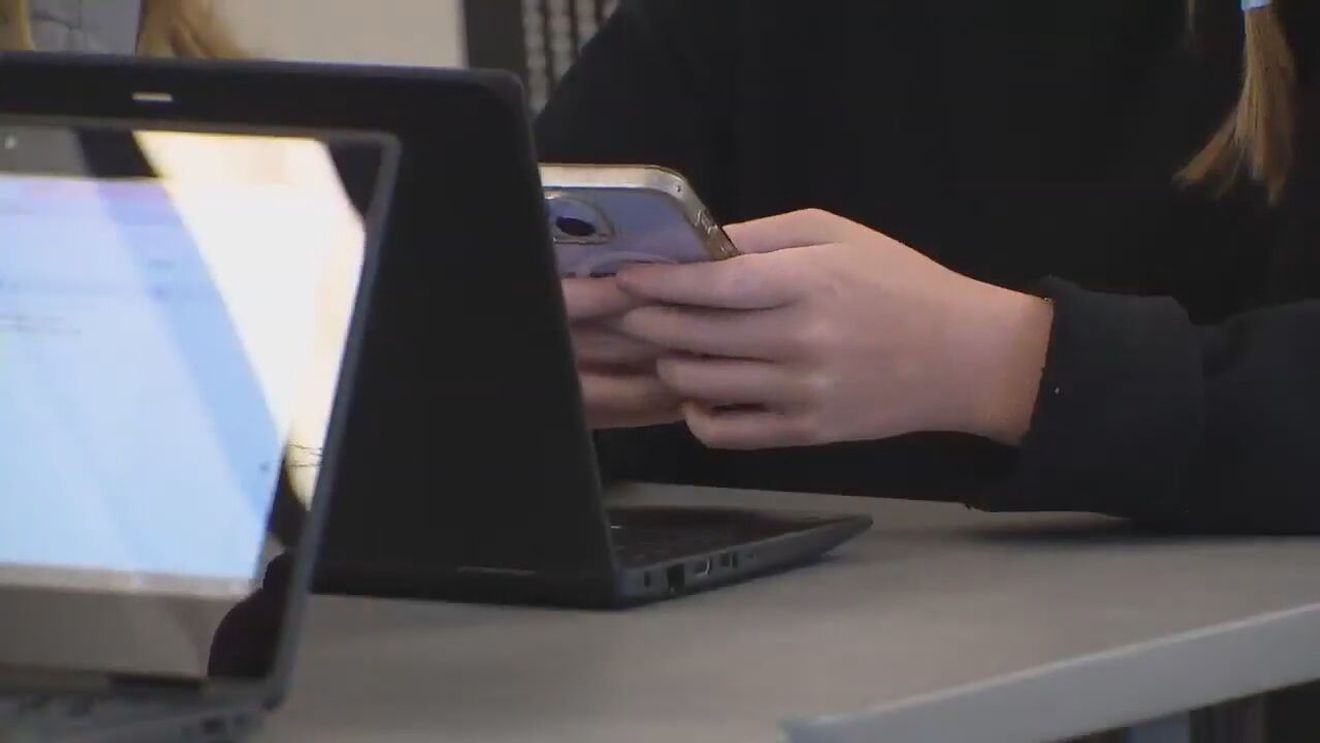
PORTLAND, Ore. (KATU) — A major shift in classroom technology is underway in the nation’s second-largest school district—and it could influence future conversations in Oregon and Washington.
The Los Angeles Unified School District (LAUSD) has approved some of the strictest limits in the country on student screen time, signaling a move away from constant device use and toward more teacher-led instruction, hands-on learning, and face-to-face interaction.
For more than a decade, schools nationwide have embraced one-to-one technology initiatives, placing Chromebooks and tablets in the hands of nearly every student. LAUSD is now taking a different approach.
Under the new policy:
Preschool through first grade: No screens during the school day.Second and third grade: Maximum of 20 minutes of screen time per day.Fourth and fifth grade: Maximum of 30 minutes per day.Middle and high school: Weekly screen time limits.
The district says homework will count toward those totals, and software will be used to monitor student device usage.
District leaders say technology is not being eliminated. Instead, the goal is to create more opportunities for reading, writing, classroom discussion, and hands-on learning while ensuring technology is used intentionally.
The policy is drawing attention in Portland
Amira Shultz, a Portland parent and member of the advocacy group Schools Beyond Screens, says LAUSD spent years researching and developing its policy.
“We were really excited because LAUSD has worked for over two years on developing this policy. They’ve done a lot of research, and it feels like a good foundation for Portland Public Schools to start from,” Shultz said.
Shultz says the national conversation is shifting away from simply providing students with devices and toward asking how—and to what frequency—they’re being used.
“Schools Beyond Screens is very supportive of bringing pencils and paper back into the classroom,” she said.
The organization is not anti-tech
“We’re not against technology in the classroom. We’re advocating for more responsible use of technology. We don’t want to see screens used as a babysitting tool,” Shultz emphasizes.
She says parents have shared concerns about students rushing through assignments just to play games online or spending more time on educational software than recommended.
Rather than debating whether technology belongs in schools, she says families should ask whether there is a clear educational purpose behind every use.
“One of the things parents should be asking is how often screens are being used and in what application,” Shultz said.
She hopes Portland Public Schools and other districts will begin having similar discussions about balancing technology with traditional teaching methods.
“We’re really hoping to come alongside the district and create better policy and responsible usage for students in the classroom,” she said.
Whether other school districts adopt policies like Los Angeles remains to be seen.
But LAUSD’s decision is already fueling a broader national debate over the role technology should play in education and whether students learn best when screens are used more intentionally, and less often.