
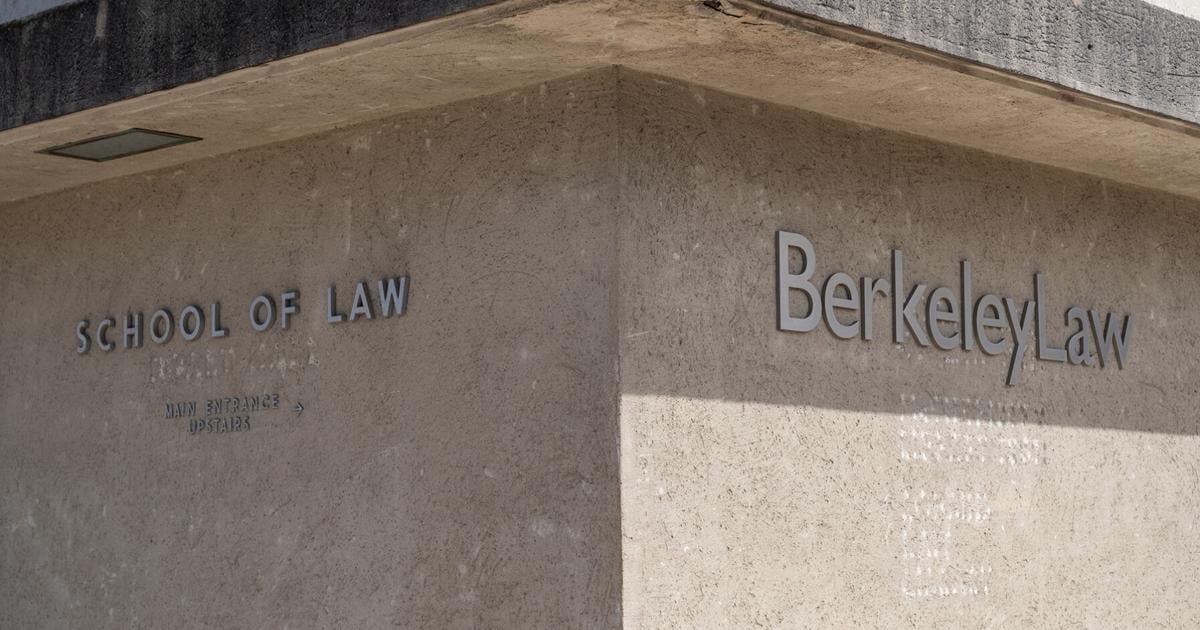
Last week, the UC Berkeley School of Law’s Pro Bono Program launched its first-ever Language Access Directory, an initiative designed to bridge the “persistent” language barriers in legal access.
“You can’t have access to legal services if you can’t receive legal information, share your story and have that honest, true, trusted communication with your attorney,” said Deborah Schlosberg, the executive director of the Pro Bono Program. “If that’s not possible, we can’t… (provide) access to justice. Language access is key to being able to access our justice system, and our students … are there to expand the reach that the attorneys in our community are able to provide.”
The Pro Bono Program offers students the opportunity to provide client services as early as their first semester of law school under the supervision of licensed attorneys, according to Schlosberg. Although pro bono work is not a graduation requirement, more than 90% of students engage in it during their time at Berkeley Law, Schlosberg said.
Schlosberg said throughout her seven years leading the Pro Bono Program, she has had attorneys reach out to her looking for students who are able to provide language access support when a client presents the need. This led her to create the Language Access Directory, a resource to address the gap in access. The students participating in the initiative are able to expand the reach that attorneys are able to provide through language support, Schlosberg added.
The Language Access Directory is a voluntary program, Schlosberg said, and students were able to choose to be listed in the directory through an open email call. Recruiting for the initiative happened earlier this fall.
Currently, there are more than 330 students involved in the directory who can provide services in 42 languages in total. Those languages include Arabic, Mandarin, Swahili and Tamil, among many others, according to Tove Sharp, the director of media relations for Berkeley Law. Schlosberg said she expects that number to increase as the community becomes more familiar with the resource.
If an attorney at a legal nonprofit or government office in the community has a language access request, they can email the Pro Bono Program’s office, which will then connect them with students that have the language skills and capacity to help, Schlosberg noted.
Schlosberg said some requests are urgent, while others can be for work that would be done over the course of a semester or year, including translating documents. Since the directory launched, Schlosberg said the initiative has already had three requests and many more responses from organizations who look forward to utilizing the directory.
“We hope that it will reduce language as a barrier to access to legal services, and we hope that our role as a public law school that is aimed at serving our community is furthered by this effort,” Schlosberg said. “I hope that our students are also able to learn through their experiences and, while being of service, are able to continue to hone both their language and legal skills.”