
In the past year, Long Beach has continued investing in ways to address and prevent homelessness, including increasing shelter capacity and outreach efforts, even as uncertainty remains over future funding.
Despite these efforts, however, the 2026 point-in-time count, the results of which were released on Monday, July 20, revealed a slight rise in the city’s homeless population – a 3.7% increase. But when releasing the data, city officials also vowed to continue working to bring more people inside and keep them housed.
Long Beach, according to Monday’s report, has increased its shelter inventory and capacity, changed its homeless services provider, and invested in programs that prevent homelessness; expand outreach, shelter and housing opportunities; and strengthen the coordinated response system.
In 2025, for example, Long Beach grew the number of shelter and interim housing beds from 1,357 to 1,521 — a 12% increase.
“Shelter provides more than just a safe place to stay,” the city said in a Monday press release. “It offers immediate safety and stability while connecting people to case management, housing navigation, behavioral health services and other supportive services that help them move toward permanent housing.”
Of the current stock of shelter beds in Long Beach, 383 are in city-owned facilities, representing 25.2% of the total inventory, according to the report.
The city also opened two new interim housing sites, adding 90 new city-owned beds. This includes Homekey at 5950, which converted a former motel into 78 interim housing units, as well as the Youth Shelter and Navigation Center, a 12-bed facility designed to provide a place to stay, case management and supportive services for youth ages 18 to 24; that facility welcomed its first residents in May.
Long Beach’s coordinated shelter system includes six year-round shelter sites that provide a range of congregate and non-congregate shelter options designed to meet people’s different needs. Shelter beds are now consistently at 95% and above occupancy, officials said.
An increase in occupancy, officials said, has been because the city changed homeless services providers amid an ongoing city audit, officials said. Earlier this year, Long Beach ended its relationship with First to Serve, a Los Angeles nonprofit founded in 1996, which had managed and operated the city’s homeless shelters since 2022. The city then brought on People Assisting The Homeless, otherwise known as PATH, a nonprofit homeless services organization serving four regions, including Los Angeles, Orange, Santa Clara and San Diego counties.
“Increasing shelter capacity has strengthened the city’s efforts to address homelessness by enabling more people experiencing homelessness to access shelter and connect with supportive services,” the health department said in a statement. “In a shelter setting, people can receive case management, housing navigation, behavioral health services, employment assistance, benefits enrollment and healthcare referrals. By meeting immediate needs and connecting people to these resources, increased shelter capacity helps stabilize people while supporting their progress toward permanent housing.”
The city’s nightly bed rate for operating shelters is $90 per bed a night, the department said in its statement, sent by a spokesperson. This rate includes case management, 24/7 staffing, shelter operations, three meals per day, facility maintenance, supplies and all other operational costs.
Long Beach also partners with Los Angeles County and various community organizations, such as the Long Beach Rescue Mission, to expand shelter opportunities.
The number of people moving into permanent housing has remained consistently high, the city said in its press release, with more people housed each year. This consistency, officials said, highlights the system’s ongoing capacity to help people exit homelessness, while also showing the need to address the inflow of people becoming homeless. Data shows that 1,702 people moved into permanent housing within the past year.
Long Beach’s outreach teams, the report said, received 4,245 total requests for help, with 1,833 people accepting services. On average, the Multi-Service Center had 129 daily visitors seeking services.
People who are homeless face long-term trauma, mental health or substance use challenges and other health conditions that can make maintaining housing, accessing services and sustaining employment more difficult. Survey participants of the point-in-time count were asked to identify any disabling conditions they are experiencing alongside homelessness.
Financial hardship remained the most reported contributing factor to homelessness, according to the report. These findings align with regional and national research, the report said, identifying a lack of affordable housing for low-income households as a leading driver of homelessness.
Together, the survey results and broader research underscore the role housing affordability plays in increasing the risk of homelessness, the report said. More than 40.4% of survey respondents, in fact, cited financial hardship or unemployment as contributing factors to losing their homes.
Other top factors included family disruption at 29%, mental health at 20.4%, eviction at 15.5%, physical disability at 13.3% and substance use at 12%.
Long Beach provides services to support people with mental health and substance-use challenges, the health department said, while the county is responsible for funding and delivering the broader behavioral health system, including ongoing mental health and substance-use treatment services.
“The Health Department’s Community Crisis Response (CCR) team is made up of specialized, non-law enforcement staff who respond to non-medical, non-violent calls for service related to behavioral health and quality of life concerns,” the health department said. “The team includes a Crisis Intervention Specialist and Public Health Nurse who provide a health-based approach to community safety and connect people with appropriate resources.”
In Los Angeles County, nearly six in 10 renter households are considered cost-burdened, meaning they spend more than 30% of their income on housing, according to a 2025 analysis by USC’s Lusk Center for Real Estate.
To address these issues, Long Beach has launched the largest single investment in its history to prevent homelessness and increase housing stability, officials said. These efforts include state-funded encampment cleanups, as well as Upstream LB, a coordinated package of initiatives funded by L.A. County’s Measure A that helps people remain safely housed before a housing crisis occurs.
Through Measure A, Long Beach has made its largest investment in homelessness prevention to date, investing about $6.65 million this current fiscal year to expand prevention services, the city’s report said. Together, these investments strengthen the city’s efforts to help people remain housed while reducing the number of people who become homeless in the future, the report said.
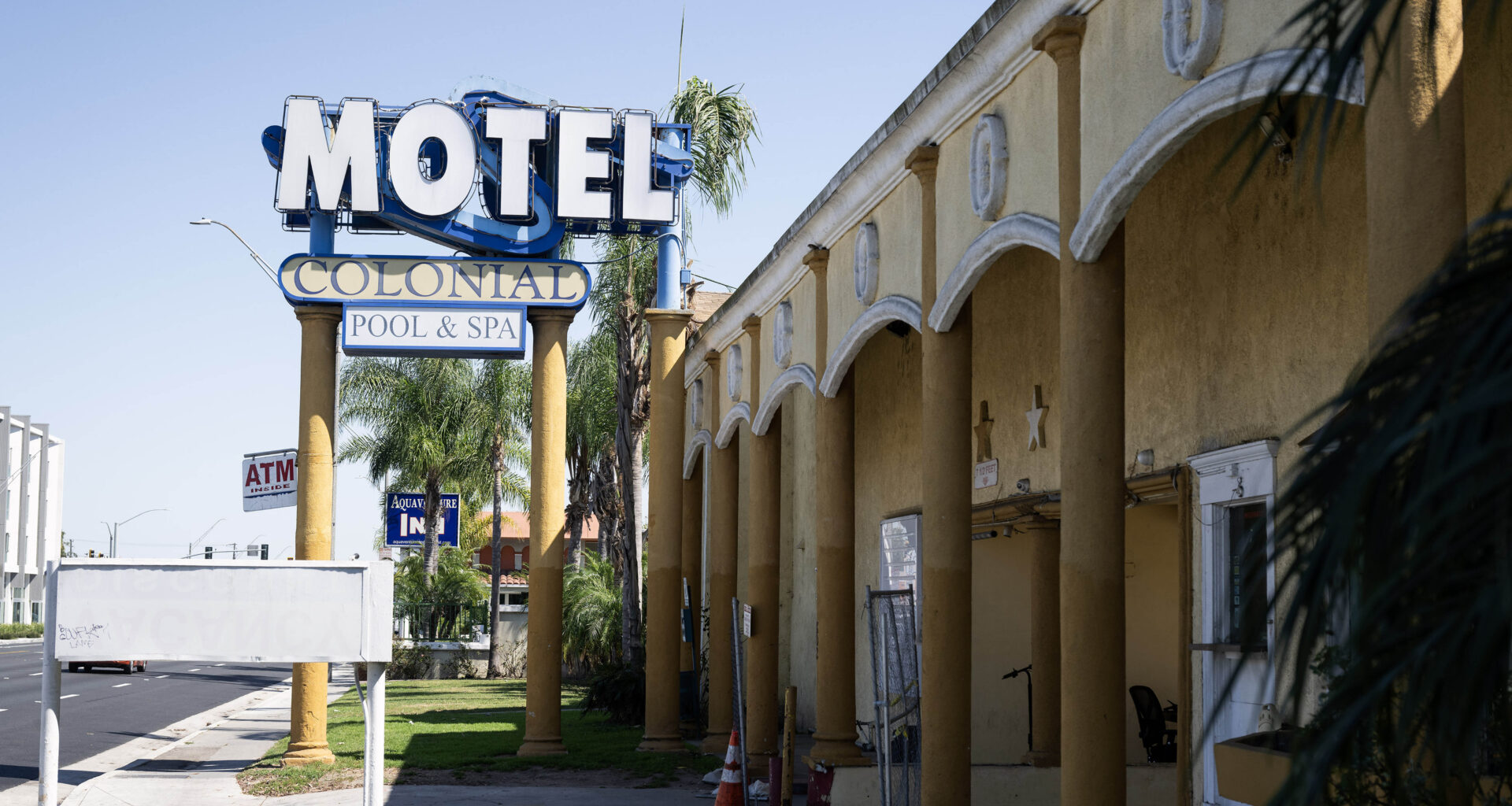
The initiatives include efforts along the Los Angeles Riverbed with “encampment resolution funding” from the state, which provides temporary housing for up to 60 participants at a time while connecting residents to supportive services and pathways to permanent housing at the Colonial Motel, in Central Long Beach. The city received the $11 million state grant last year, money that will help about 80 people secure permanent housing.
The city also launched its Renter Aid program, which provides short-term financial assistance to low-income renters experiencing financial hardship and at risk losing their homes. About $2.7 million in rental assistance is available. Payments are made directly to landlords or utility providers to ensure timely support.
Long Beach’s Older Adult Shallow Subsidy program, meanwhile, provides medium-term rental assistance to low-income older adults in the city who are extremely rent burdened. The program serves households with at least one member age 55 or older who is at immediate risk losing housing, with priority for those whose existing subsidies are expiring. Eligible households may receive up to $12,000 in financial assistance over a period of up to two years.
The city also continues investing in the Right to Counsel program. Through the regional Stay Housed LA initiative, the program provides legal services, tenant education and outreach to help low-income renters facing eviction remain housed.
Since January 2021, Stay Housed LA has provided legal services to 1,765 participants and navigation services to 7,991 participants, and hosted 69 workshops with 1,072 attendees. In 2026, the city invested around $1.5 million in Los Angeles County Measure A funds to continue operating the program, the report said.
Long Beach will also launch the Youth Homelessness Prevention Unit this fall to provide proactive homelessness prevention services for people 18 to 25 years old — also referred to as transition-age youth — who are at high risk of becoming homeless, the city said in its press release. Participants will receive a year of prevention services, including case management, flexible financial assistance, and connections to employment services, mental healthcare and housing navigation.
Immigration enforcement and related federal policies, meanwhile, can also have significant impacts on community members, including because of family separation, disruptions to employment and increased risk of housing instability, the report said. To help mitigate these impacts, the city has dedicated funding through the Long Beach Renter Aid Program to support households affected by federal immigration policies, and continues investing in the Justice Fund, which provides legal services to people facing deportation proceedings, the report said.
Increasing the stock of affordable housing is also a priority.
Six affordable housing developments, partly funded through the Long Beach Community Investment Company – the nonprofit arm the city formed to increase housing availability and affordability – are under construction and expected to open later this year and in 2027.
Together, the city said in its press release, these developments will bring an additional 375 units of affordable housing, including some with permanent supportive services for homeless people. Beyond the LBCIC-funded developments, the Luma Point apartments, which will have 163 affordable units, are scheduled to open this summer.