
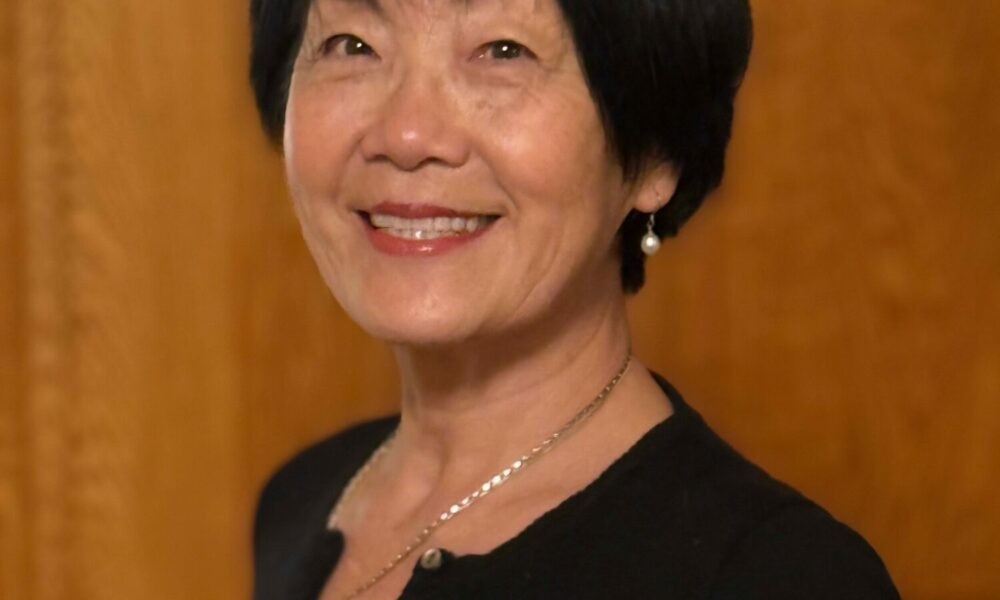
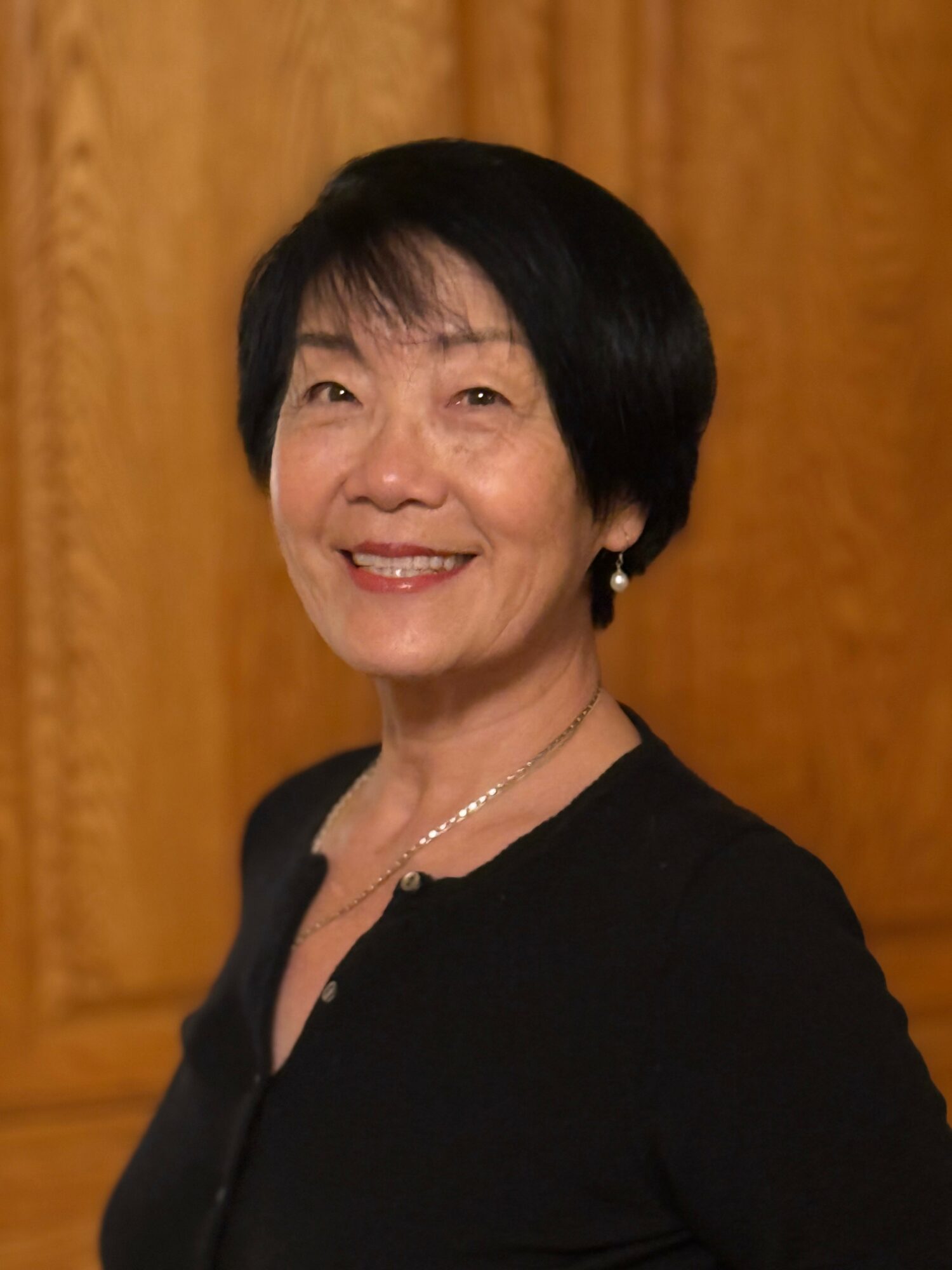
Today we’d like to introduce you to Anna Chi.
Hi Anna, so excited to have you with us today. What can you tell us about your story?
I was born and raised in China. When I entered the workforce in the 1980s, the government assigned me to work as a film editor. I sometimes joke that I may be the only filmmaker in Hollywood who can honestly say, “I have the Communist Party to thank for putting me on the path to becoming a filmmaker.”
At the time, I had no formal training in filmmaking. What I did have—and still have—was a deep love of storytelling. After working as an editor for several years, I realized I wanted to learn how to tell stories from behind the camera, not just shape them in the editing room.
So in the late 1980s, I left China and came to the United States to attend UCLA Film School. I arrived without speaking a word of English and with no idea what my future would look like. It was a leap of faith that changed my life.
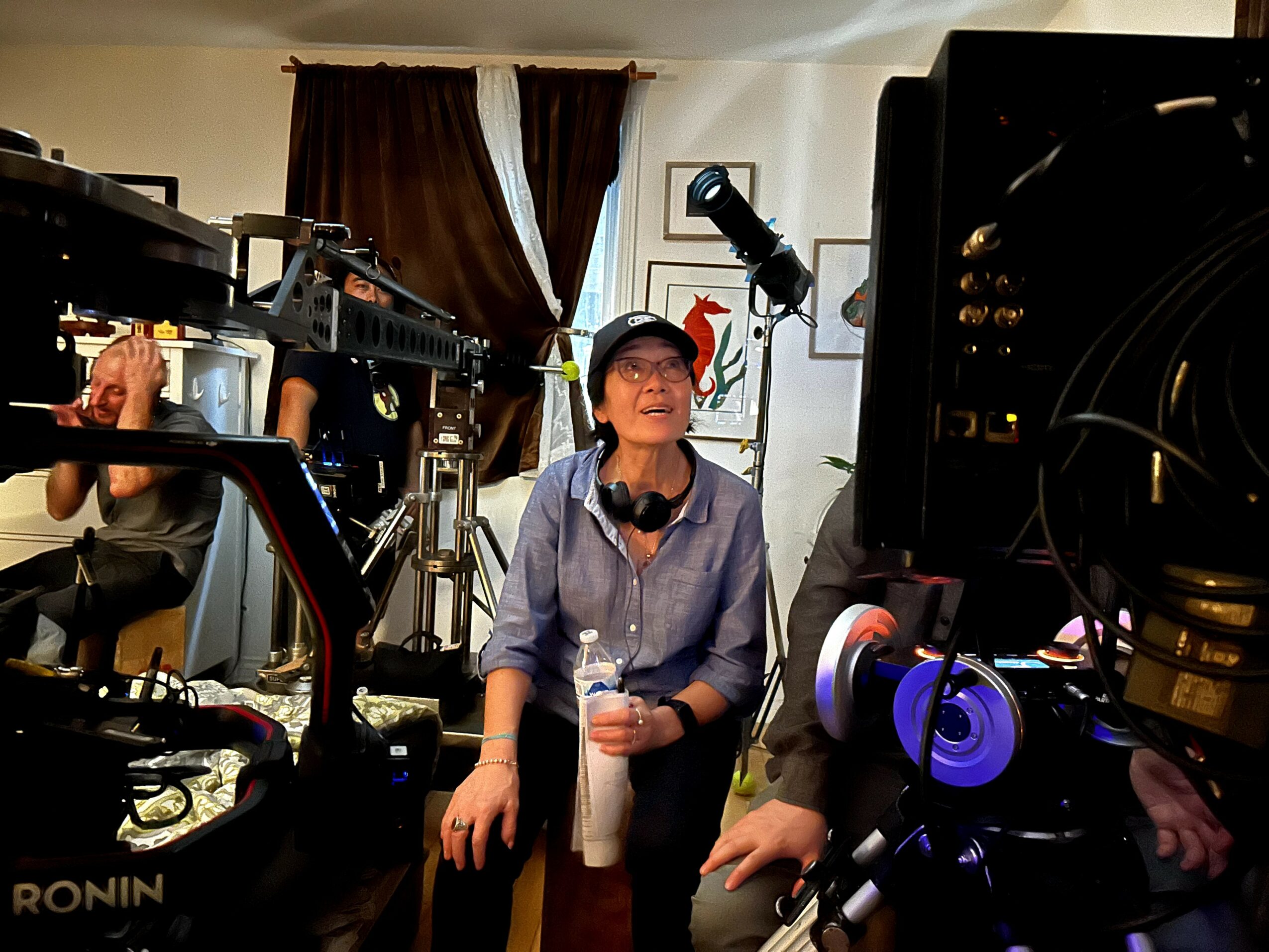
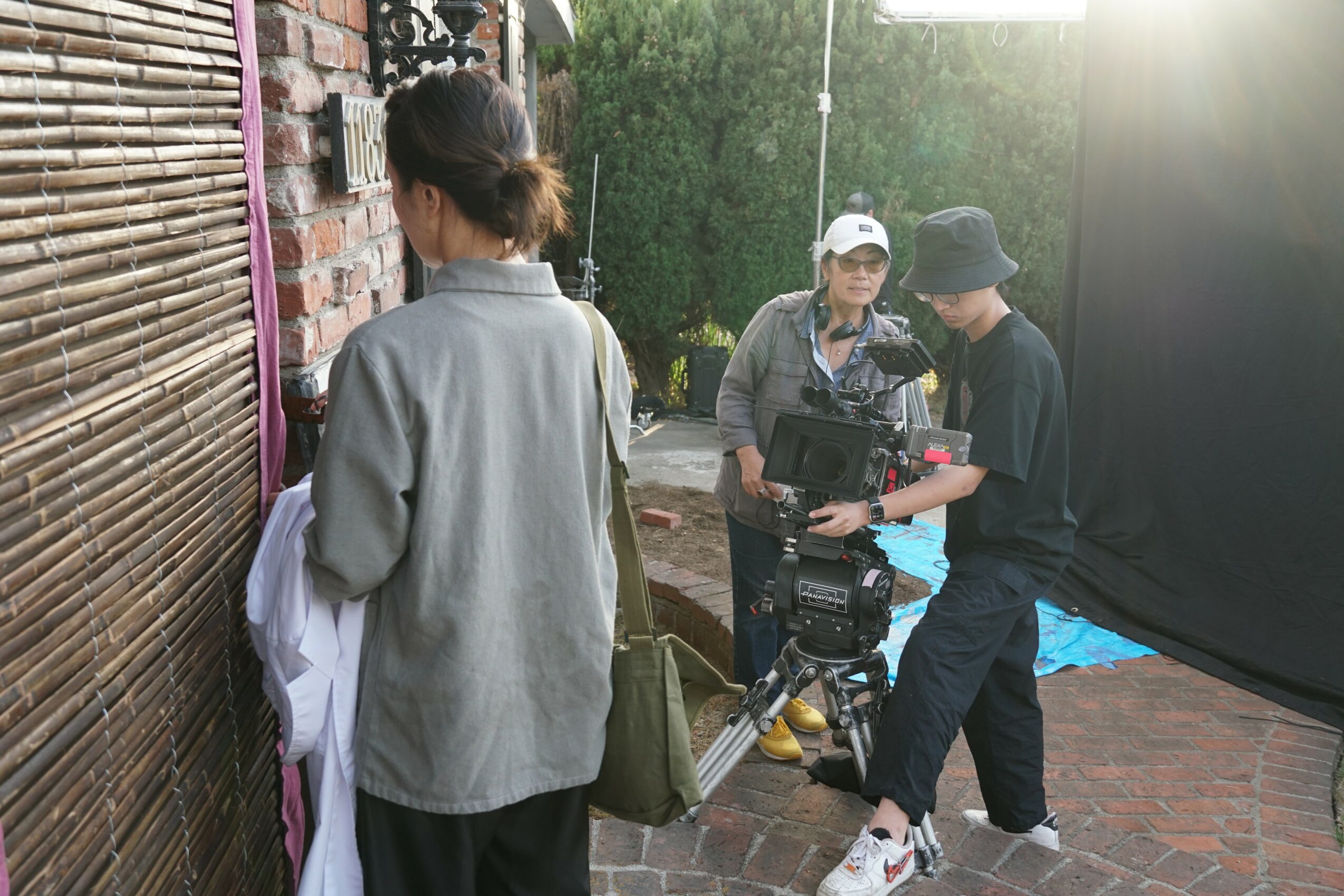
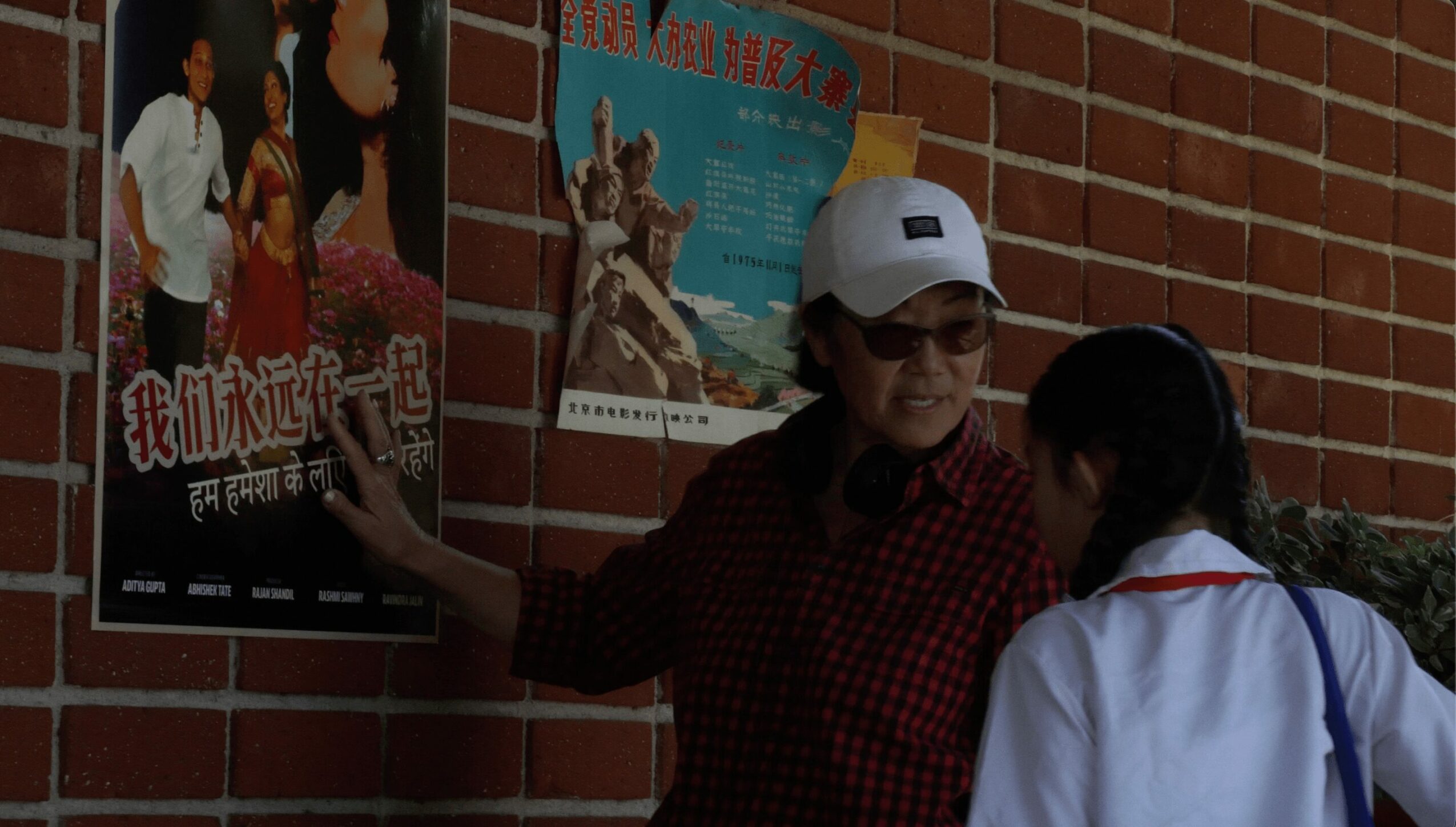
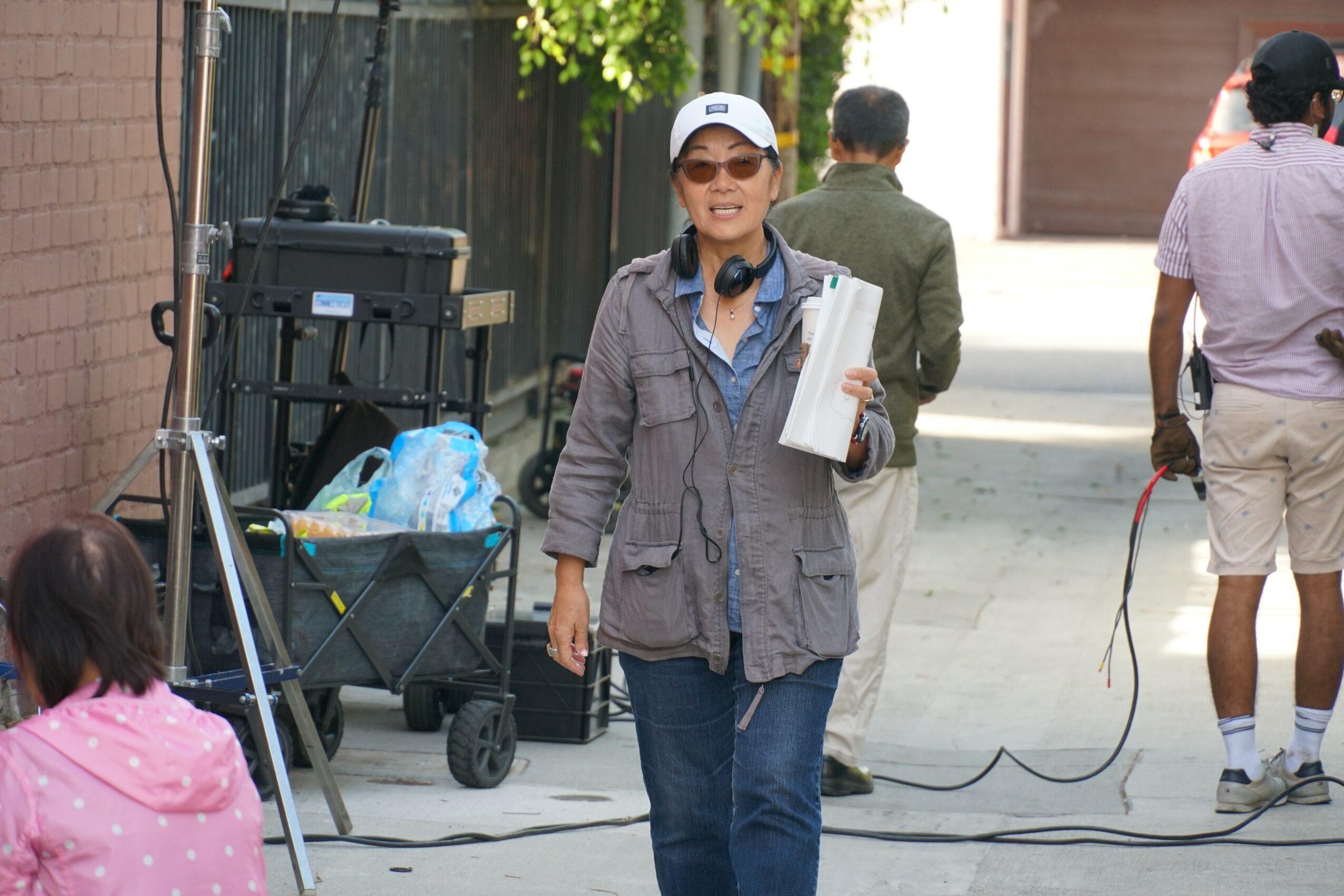
I’ve now been based in Los Angeles for decades, directing narrative films that explore family, memory, identity, and the connections between generations and cultures.
We all face challenges, but looking back would you describe it as a relatively smooth road?
I don’t think anyone’s career is ever a smooth road. No matter what you do, every path comes with challenges. To me, the question isn’t whether you’ll face obstacles—it’s how you respond to them.
For me, the biggest challenge was language. I came to the United States without speaking English, and while learning enough to navigate daily life was difficult, that wasn’t the hardest part. As a filmmaker, language is your creative tool. You need it to express emotions, communicate ideas, write dialogue, and tell stories that resonate with people. Learning to do all of that in a second language was incredibly challenging.
So I immersed myself completely. I watched countless films and television shows, read books across every genre I could find, and tried to understand not just the language but the culture, the history, the humor, and the relationships that shape American life. I wasn’t simply learning English—I was learning how people think, dream, argue, love, and tell stories.
Looking back, that experience made me a better filmmaker. It taught me to listen more carefully, observe more closely, and appreciate that human emotions are universal, even when the language isn’t.
Thanks for sharing that. So, maybe next you can tell us a bit more about your work?
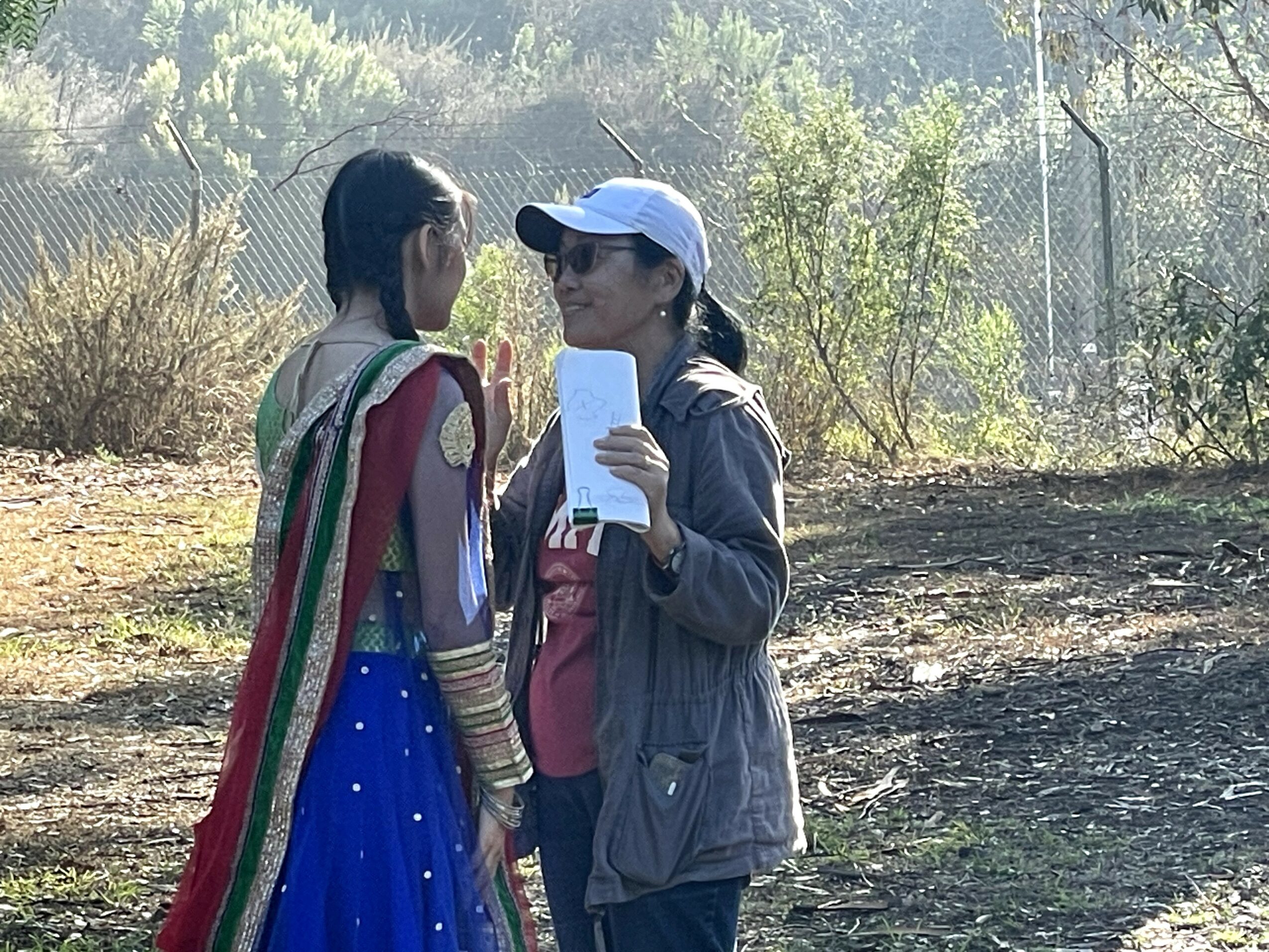
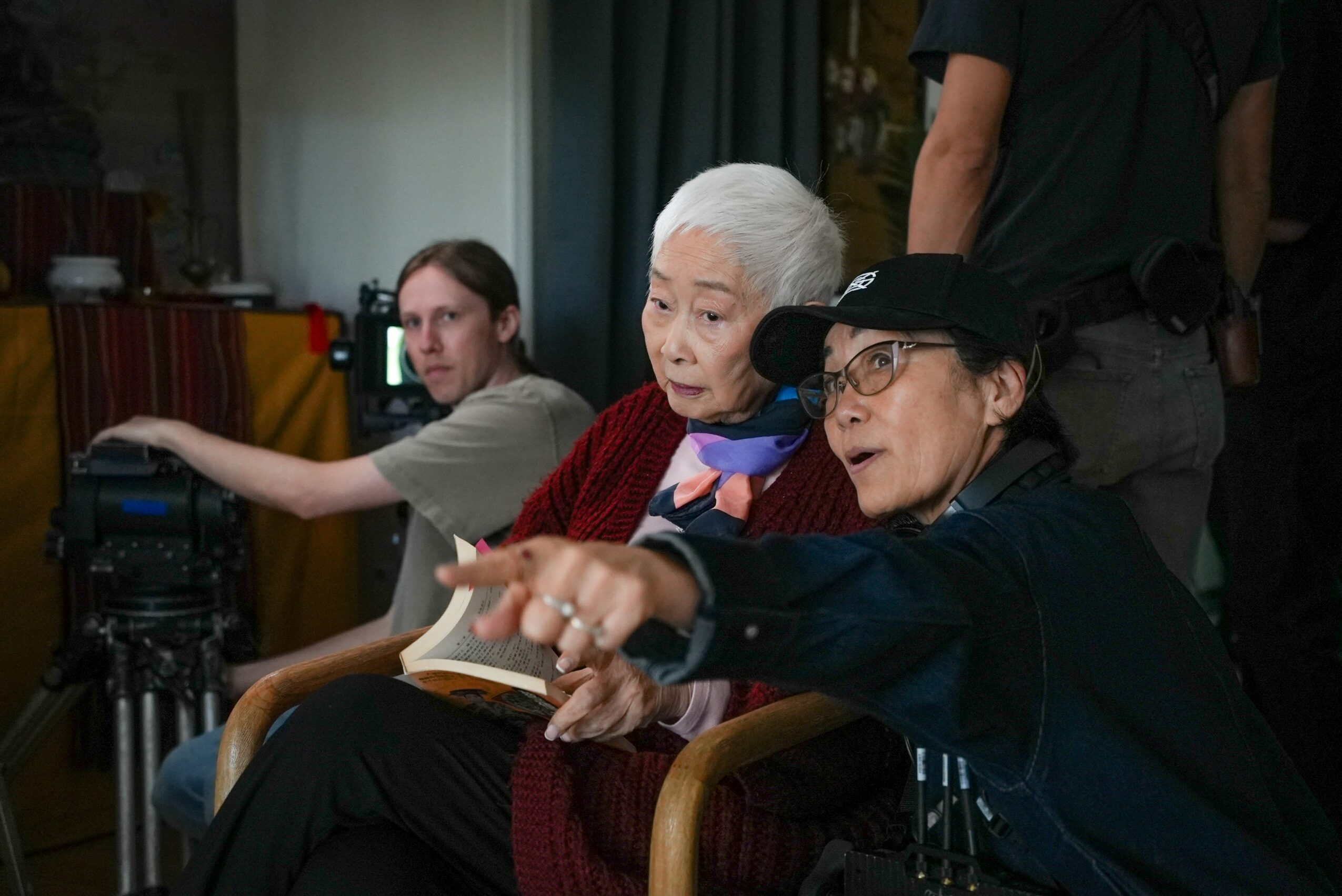
I’m a writer, director, and producer of narrative films. I tell character-driven stories that explore family, memory, identity, and the moral choices that define who we are. Many of my stories are inspired by my experiences growing up in China, but they’re ultimately about emotions that transcend culture—love, loss, sacrifice, forgiveness, and hope.
What fascinates me most is the moment when ordinary people face extraordinary emotional decisions. Those are the moments that reveal our humanity. Whether it’s a grandmother and granddaughter confronting different generations’ experiences of reproductive choice in Leaving a Trace, a little girl discovering integrity in Two Pennies, or a family reckoning with memory and loss in The Disappearance of Mrs. Wu, I’m always searching for the emotional truth beneath the story.
What I’m most proud of is creating films that help audiences see themselves in people whose lives may seem very different from their own. Having lived and worked in both China and the United States, I bring an insider’s understanding of both cultures. That allows me to tell stories that are culturally authentic while speaking to audiences anywhere in the world.
At the end of the day, I don’t believe films change the world by changing everyone’s mind. I believe they change the world one heart at a time. If someone leaves one of my films with a little more empathy, a little more compassion, and a deeper understanding of another human being, then I feel I’ve done my job.
Can you talk to us a bit about happiness and what makes you happy?
Making films brings me tremendous joy and fulfillment, but what truly makes me happy is my family. They are the center of my life and the reason I do everything I do.
My husband has been my greatest supporter. He’s stood beside me through every challenge, always believing in me, even during the moments when I questioned myself. My children have filled my life with laughter, love, and a sense of purpose that continues to grow with every stage of their lives. And I’m incredibly grateful that both of my parents are still with us. As they’ve grown older, I’ve come to appreciate just how precious time together really is.
Being a wife, a daughter, and especially a mother has shaped not only who I am as a person, but also who I am as a filmmaker. It has taught me empathy, patience, and the importance of truly listening to people. That’s probably why so many of my films explore family, memory, and the bonds between generations.
I’ve been fortunate to have a career that I love, but if you asked me what success really means, my answer would be simple: it’s having people to love and people who love you. Everything else is a bonus.
Contact Info:
Suggest a Story: VoyageLA is built on recommendations from the community; it’s how we uncover hidden gems, so if you or someone you know deserves recognition please let us know here.