
Long Beach, Calif’s annual Point in Time count showed an increase in the overall number of homeless individuals in the city, but a decrease of those living unsheltered.
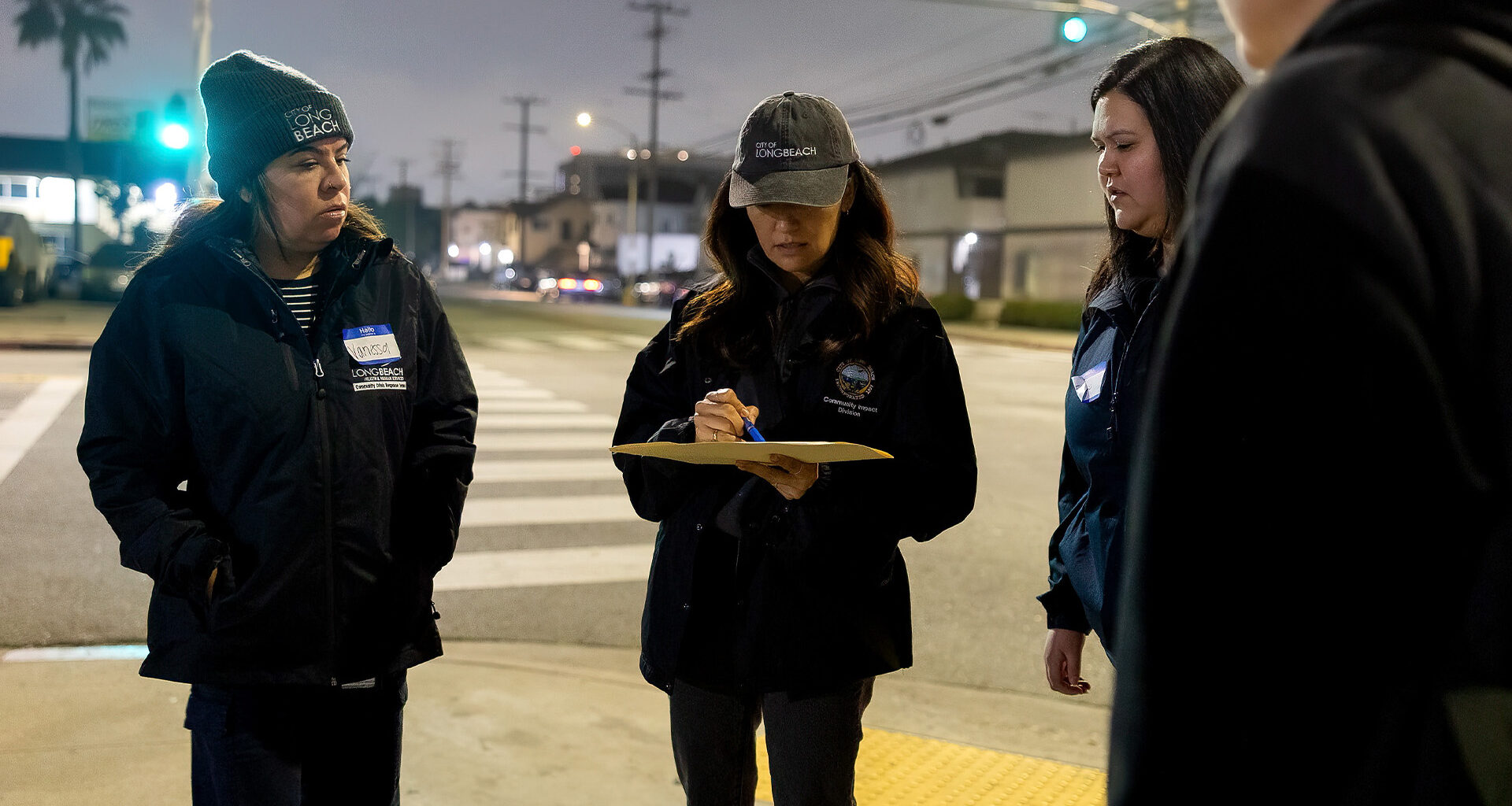
On the morning of Jan. 22, over 300 volunteers participating in Long Beach’s homeless count began totaling the number of homeless individuals living within the city. The city government branch that hosts the event, the Department of Health and Human Services, categorizes those experiencing homelessness in two main ways: sheltered and unsheltered.
The city, despite its efforts, has had another year where the overall homeless count rises. However, the number of sheltered individuals has increased 15.4% from the previous year.
The report credits the number of housing initiatives the city has instated since its last homeless count. The coordinated shelter system, which provides interim and shelter housing as well as a number of resources, expanded its operation by 164 beds.
“While homelessness remains one of the most pressing challenges for our community, this year’s results show important signs of progress,” Long Beach Mayor Rex Richardson said. “More people are accessing shelter, and fewer people are experiencing unsheltered homelessness.
However, the homeless count still increased by 134 people. While the city has made significant efforts to address the homelessness issue since the pandemic, the numbers do continue to rise. The city has found that affordability, whether this be in terms of housing or general finances, is the largest factor contributing to the homeless count.
Around 40% of individuals attribute their current homelessness state to unemployment or other financial hardships. That said, the city did see an increase in the number of new homeless individuals, or those who have entered homelessness for the first time within the past year. The same pattern applies to individuals experiencing chronic homelessness, or those who have been homeless for a consecutive amount of time.
Scroll to continue reading
Minors experiencing homelessness have decreased 11.7% within the last year, as the city found nine fewer homeless minors compared to the 2025 count. However, within the 18-24 bracket (which the city still identifies as youth homelessness), the number of individuals increased 36.7%, or an additional 33 individuals. The city plans to instate a homelessness prevention unit for this age group, offering “proactive” services to individuals who are at high-risk of homelessness within the transitional period.
The number of individuals sleeping in vehicles decreased from 1,008 individuals in 2025 to 783 individuals in 2026. This, however, could be in part due to the Long Beach Municipal Code Section 10.18.040, which was coordinated to prohibit the “occupation of vehicles on any public street for human habitation or camping purposes.”
A press release about the ordinance does address the concern of how many unsheltered homeless individuals use their car as a form of shelter, and states that law enforcement officers use discretion when addressing each vehicle. They also include that the city has a designated parking lot where homeless individuals living out of cars or RVs can sleep. The parking lot, which is located near the southeast corner of Santa Fe Avenue and Anaheim Street, can house up to 25-30 vehicles staying there per night.
Individuals, however, must obtain a referral to sleep in the parking lot through the Multi-Service Center. The parking lot can be a long-term option for those experiencing homelessness, but there is a waitlist to occupy a spot.