
Long Beach parents, students and residents can help drive systemic change to improve the well-being of local youth by leveraging community partnerships and using civic tools, according to a recent report from a local child advocacy organization.
The report, ” outlines strategies to improve the well-being of youth in Long Beach.
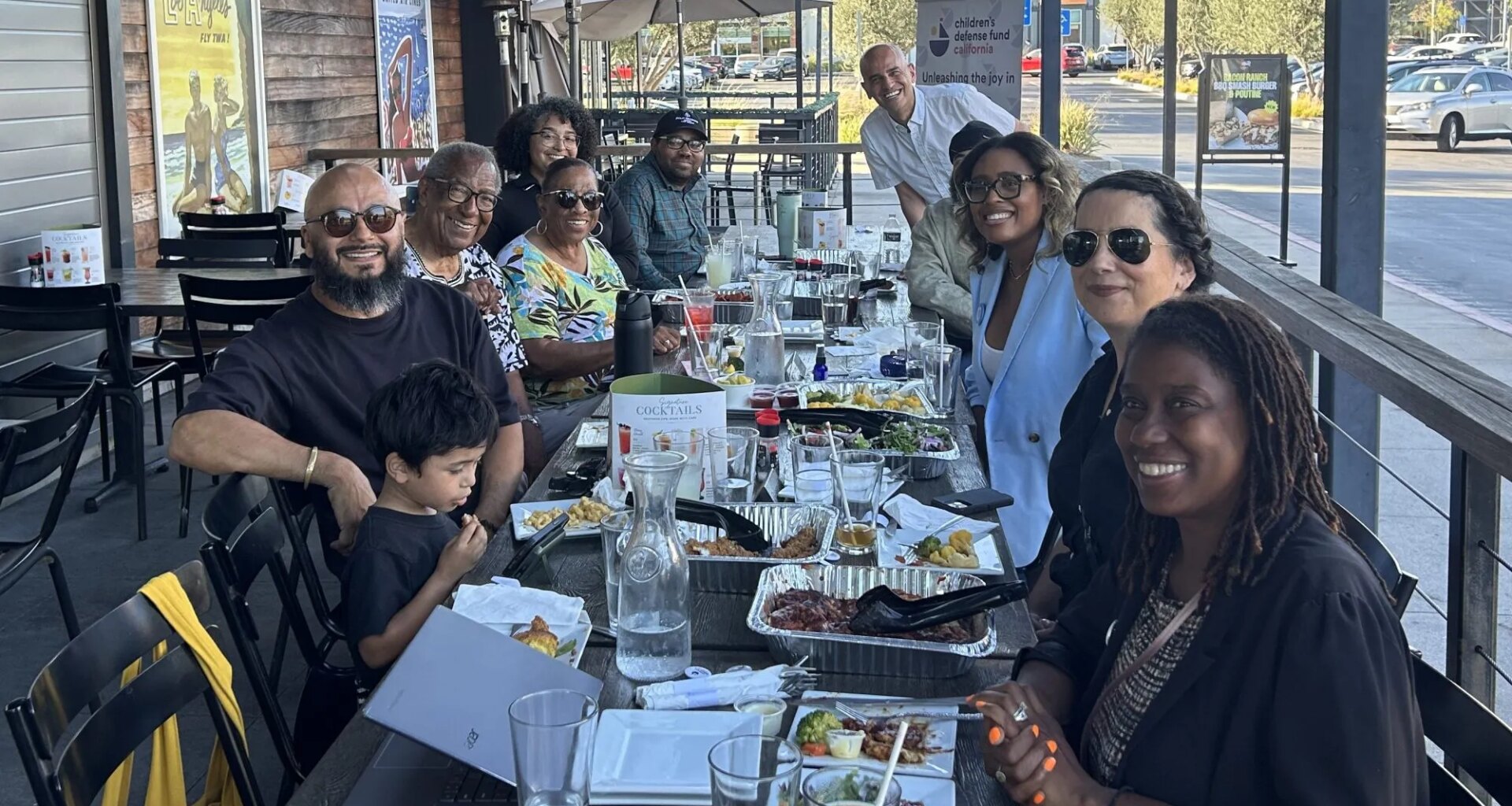
The Children’s Defense Fund-California released the report — titled Rooted in Community, Rising Together: A Decade of Advocacy and Partnership in Long Beach” — last week. The organization gathered with various community leaders at Georgia’s Restaurant, at the Long Beach Exchange, on Thursday, July 23, to discuss the findings, and how they are supporting racial and educational equity for local students.
“I think (the discussion) reaffirmed the importance and the need to share space with fellow community (organization) leaders,” Nubia Flores, associate director of Long Beach Forward, said in an interview, “(who) work to support children and students in our community.”
The report documents CDF-CA projects in Long Beach, features community voices, shares advocacy tools, and assesses progress and challenges. CDF-CA is the local branch of the national child advocacy organization that focuses on education, economic justice, healthcare and youth justice.
In 2005, CDF established California’s first Freedom Schools site, operated by Leon and Paula Wood at their nonprofit Success in Challenges. Freedom Schools is CDF’s summer literacy program, with sites in more than 100 cities nationwide.
The start of CDF-CA’s policy involvement in Long Beach was Every Student Matters in 2012, a youth-led campaign to build supportive schools and reduce school pushout. Another CDF-partnered campaign, Long Beach Education Connection, is a coalition of parents in Long Beach Unified School District working on education equity districtwide.
“I hope to learn from the report that it was a true collaborative process,” Flores said, “that it does carry the feedback from parents in our community, children in our schools. I hope that it shares feedback on what some of their needs and pressing issues are.”
One section of the report transcribes conversations with parents and community leaders about their education advocacy and partnerships with CDF. The report also includes guidance on how to submit a public records request, speak during public comment at a government meeting, file complaints and read budgets.
“We want folks of Long Beach communities to feel empowered,” Ryan Bell, an author of the report, said in an interview. “There’s actionable steps that folks can take in order to be more active in their community.”
Continued goals include disrupting the school-to-prison pipeline and influencing policy on behalf of Black and Brown students and children living in poverty. A 2016 report by CDF-CA and public interest law firm Public Counsel found that special education,, Black, Latino and Pacific Islander students were disproportionately affected by LBUSD’s disciplinary policies. CDF-CA recommended preventative measures that were intended to support mental health and social-emotional learning.
Through the SaferLBUSD campaign, CDF-CA worked with the district to invest in violence intervention and prevention, utilize wellness centers, hire restorative justice staff and update comprehensive safety plans for every school.
While overall suspension rates in LBUSD have fallen over the past decade, last week’s report said, a racial gap remains consistent.
The report also found that the statewide average suspension rate in 2025 was under 2%. For Black students and foster youth in California, however, the suspension rates were 7.7% and 13%, respectively.
Based on this data analysis, CDF-CA, in its report, emphasized the importance of collaboration among CDF, grassroots organizations, students, parents, schools and policymakers.
The Woods and other local leaders from Long Beach and groups such as Civility Development and Californians for Justice joined CDF representatives during Thursday’s discussion. Bell, a policy associate in CDF’s department of education equity, also attended.
“The idea about unity and community coming together is everyone may have a different approach,” Bell said, “but that doesn’t mean that we can’t work together.”