
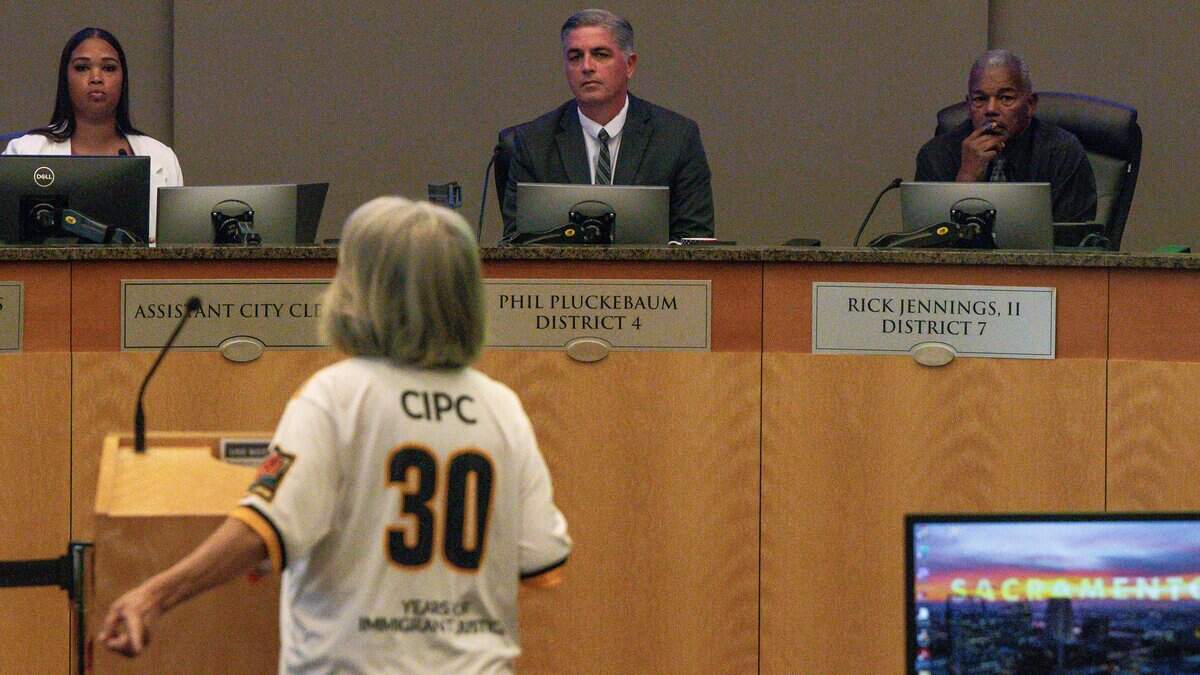
Sacramento officials faced another delay Tuesday to a financing deal intended to spur development in the Railyards district, an effort that faltered last summer amid a protest by a union and residents of two apartment complexes in the district.
The deal would have the city repay developers’ costs for infrastructure work in the district — like the construction of roads, sidewalks and sewer and utility improvements — using expected increases in property taxes as the land is built out. Officials have described the agreement as a key step for development in the central portion of the former railyard, a large, complex, expensive piece of land adjacent to Sacramento’s downtown.
There is an existing special taxing district on 42 acres east of 7th Street, where Sacramento Republic FC plans to build a new, 20,000-seat soccer stadium. But officials have since tried to expand the district to encompass a 240-acre section of the Railyards, including the areas where developers plan to build a hospital, housing, retail and a concert venue. A city committee overseeing the financing agreement for developments in the district was expected to revive that effort Tuesday morning.
But as the meeting began, city staff announced the item would be withdrawn from the agenda and reintroduced at a later date.
The city attempted to pass the expansion last summer, and it appeared all but certain to succeed after a unanimous vote by the council with business groups, soccer fans and construction union members lending support.
But weeks later, as the subcommittee gathered to take a final vote cementing the deal, residents of the two apartment complexes — the 150-unit Wong Center and the 345-unit A.J. Apartments — surprised officials with 135 written protests, triggering a little-used piece of state law by which residents within such proposed taxing districts can mandate a one-year moratorium on the process, if a majority register their opposition.
The city determined that those protests indeed represented a majority of the residents in the largely undeveloped district.
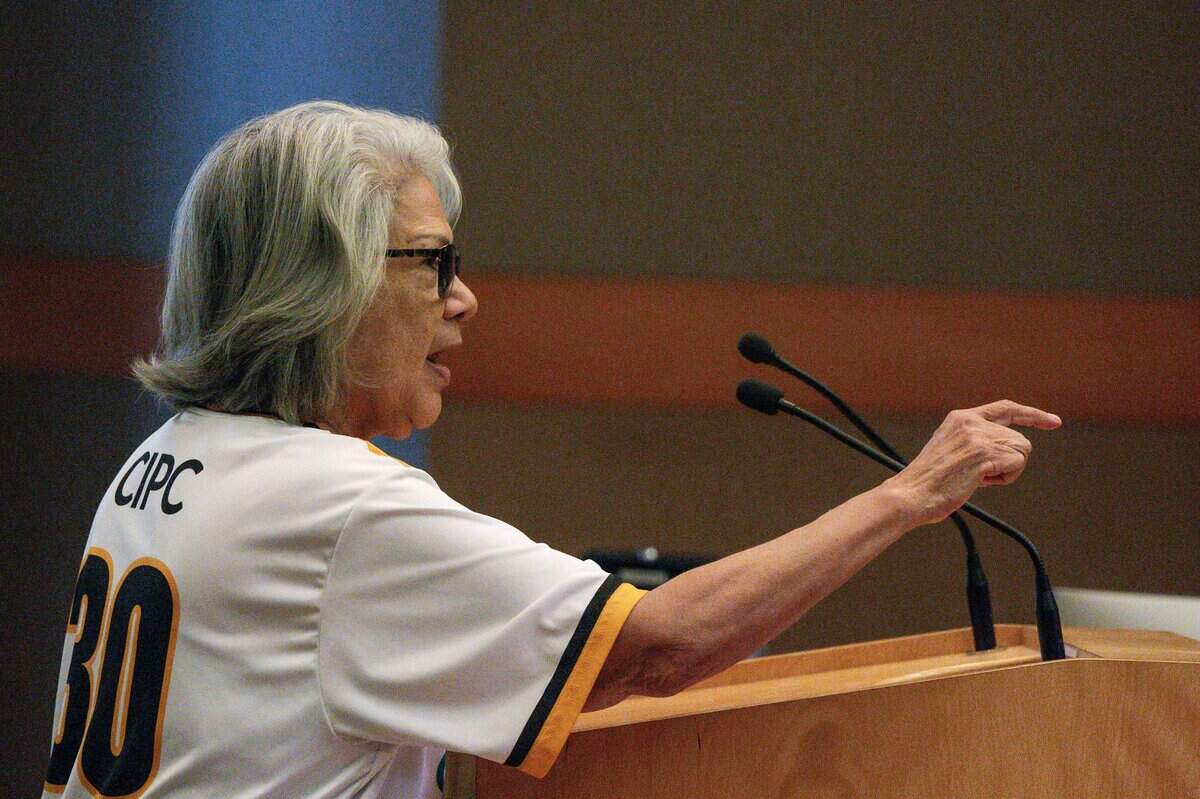 Sacramento resident Yolanda Villanueva speaks in opposition to an expansion of a special Railyards tax financing district at a meeting of the Railyards Public Financing Authority at City Hall on Tuesday. ZIYU JULIAN ZHU julian.zhu@sacbee.com
The incident made Sacramento a test case for a relatively new bit of state statute, which established the protest process for this type of tax incentive.
A staff report posted ahead of Tuesday’s meeting showed a new map for the proposed special taxing district, with changed boundaries. One of the eastern margins cut further west, diverting around the Wong Center, and there was a box around The A.J. apartments marked “NPD,” or “Not Part of District.”
Before and after: Railyards financing districtMove the slider to see how the boundary of the proposed Railyards West financing district has been modified this year to exclude two apartment complexes – The A.J. and Wong Center – whose residents voted against the district in 2025. Source: City of Sacramento
A handful of opponents of the special taxing district criticized the amended map at Tuesday’s meeting, referring to it as “microgerrymandering.”
Sonya Karabel, a spokesperson for Unite Here Local 49, the union opposing the agreement, said ahead of the meeting that the group was “exploring all of our pathways.”
“It’s really disappointing that they have taken away residents’ right to protest,” Karabel said. “We’re going to keep fighting.”
 Unite Here Local 49 spokesperson Sonya Karabel listens as a city of Sacramento staff member and Railyards residents talk about the proposed expansion of a special Railyards tax financing district after a meeting of the Railyards Public Financing Authority at City Hall on Tuesday. ZIYU JULIAN ZHU julian.zhu@sacbee.com
This story was originally published July 28, 2026 at 11:36 AM.
Related Stories from Sacramento Bee

The Sacramento Bee
Annika Merrilees is a business reporter for The Sacramento Bee. She previously spent five years covering business and healthcare for the St. Louis Post-Dispatch.