
BAKERSFIELD, Calif.(KBAK/KBFX) — Nearly a year after the death of 8-year-old Genesis Mata, an independent review of Kern County’s child welfare system found the agency is not experiencing major systemic failures, but warned that staffing shortages, heavy workloads and inconsistent practices are limiting its ability to achieve the best outcomes for children and families.
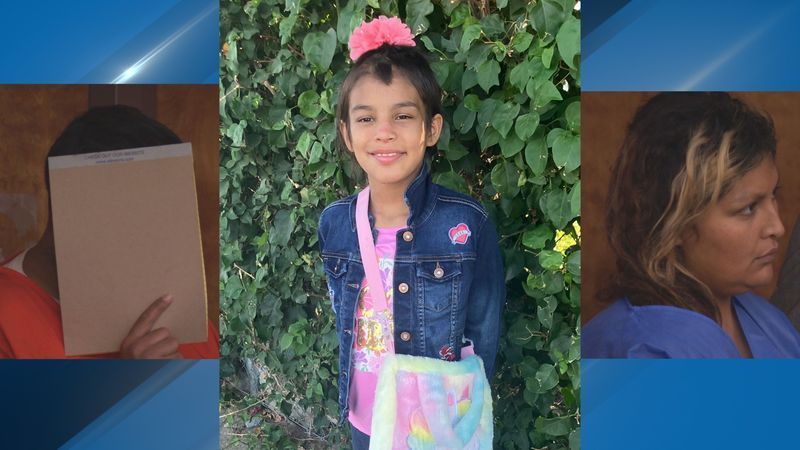
A preliminary hearing for Ray Mata Jr. and Graciela Bustamonte, the couple accused of torturing and killing 8-year-old Genesis Mata, has been postponed until October. PHOTO: GoFundMe, KBAK/KBFX
The assessment, conducted by the Social Policy Institute at San Diego State University, found Kern County Child Welfare Services’ performance is generally in line with state and national standards and does not meet the threshold for “systemic failure” that would trigger state or federal intervention.
SPI Director Lori Clarke said the assessment found no systemic failures that would prevent the Kern County Department of Human Services from carrying out its child welfare responsibilities, while emphasizing that the system still needs significant improvements to strengthen services and outcomes.
Kern County requested the independent review after community members questioned whether CPS could have prevented Mata’s death and called for answers, accountability and reassurance. County officials said the goal was to examine the entire system — including policies and procedures, decision-making, supervision, workforce challenges, organizational structure, family engagement and service delivery — to determine what is working, what needs improvement and how to better protect children while supporting families.
SPI said its assessment included reviews of policies and documents, randomized case reviews, more than 50 key informant interviews, focus groups, community listening sessions and surveys completed by more than 200 staff members and nearly 60 community members. SPI said Kern County provided extensive access to records, employees and information throughout the process.
Workforce capacity was identified as the department’s biggest challenge and top priority. SPI found that despite county investments in hiring, pay increases and workforce improvements, increasing caseloads, vacancies, burnout and turnover continue to strain the system. Many social workers reported wanting more time to work directly with families but feeling forced to balance competing demands such as documentation, deadlines, responding to concerns and maintaining manageable workloads.

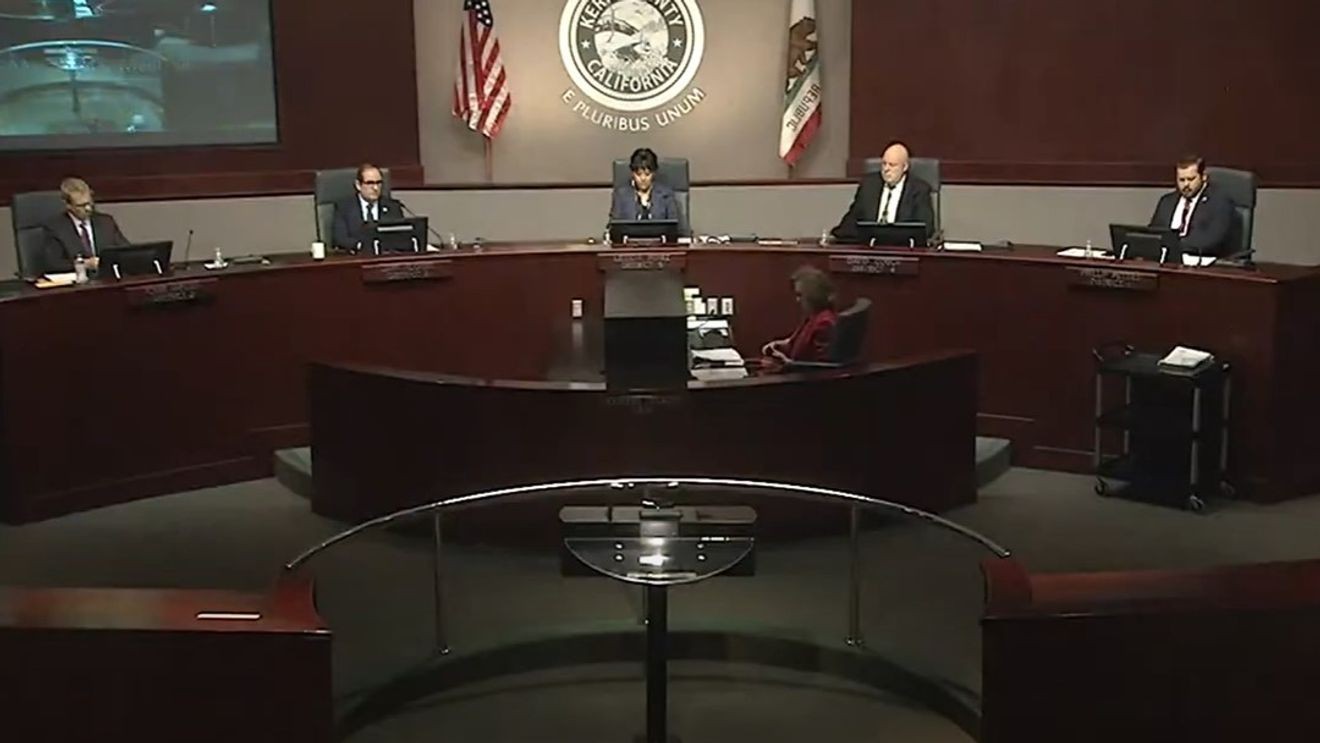
Kern County Board of Supervisors on Feb. 11 PHOTO: YouTube, Kern County
The report also found opportunities to strengthen social work practices. While reviewers identified quality work throughout the department, they found areas needing improvement including child safety assessments, decision-making, investigations, placement stability and permanency planning for children in foster care.
Youth and community members reported concerns about inconsistent communication, delayed responses from social workers, placement disruptions, unmet mental health needs and difficulty accessing services.
SPI found Kern County has systems in place to monitor cases and track performance, but said continuous quality improvement efforts need stronger follow-through. The report said lessons from case reviews are not always consistently shared with staff, communication gaps remain, and some employees expressed concerns about transparency and morale. SPI also cited initiative overload and workload demands as contributing factors to burnout.
The review highlighted Kern County’s partnerships with schools, behavioral health, law enforcement, tribes and community organizations, but found agencies still operate too independently at times. SPI said stronger coordination is needed to create a more connected approach to supporting children and families.
SPI’s primary recommendation is for Kern County to move toward a more integrated “Wellness System of Care,” shifting beyond a traditional child welfare model focused on responding after problems occur. SPI said the county should instead build a system in which public agencies, community organizations and residents share responsibility for helping families access support before crises escalate.
The report also pointed to socioeconomic and geographic challenges affecting the system. SPI reported that about 15% of Kern County families live at or below the poverty line, nearly double the California average, and that about one in four children in the county live at or below the poverty level. SPI also noted that some communities are more than two hours away from Bakersfield, meaning travel time can take up significant portions of a social worker’s day and reduce time available for families.
To address concerns, SPI outlined five priority recommendations:
– Build workforce capacity by reducing caseload pressures, improving recruitment and retention, clarifying staff roles, expanding training and conducting a workload assessment to identify areas where work can be streamlined.
– Strengthen social work practice by improving assessments, decision-making and safety practices, including stronger emergency response follow-up and more consistent use of evidence-based tools such as Structured Decision Making and Safety Organized Practice.
– Improve placement stability and permanency by prioritizing placement with relatives when safe, keeping siblings connected and strengthening support for foster and resource families.
– Increase family engagement by expanding community involvement, improving transparency, increasing family meetings and ensuring people with lived experience help shape decisions.
– Become a learning organization by strengthening quality reviews, sharing performance data with staff, improving accountability and using feedback from families and the community to guide future improvements.
Clarke said the release of the assessment is only the beginning and that the next step will be turning recommendations into specific action plans, measurable goals and accountability measures. She said that process will require collaboration among child welfare staff, behavioral health providers, schools, community organizations and families with lived experience.
Human Services officials said the report is not the conclusion of the process, but the beginning of the next phase of improvement. The county announced a community forum scheduled for July 30 at 6 p.m. at the Boys & Girls Club, with additional community meetings planned moving forward.

Protest for CPS to be investigated after 8-year-old found dead in a hotel. Protesters rally outside of Kern County Human Services.
Clarke said the community should continue asking how progress will be measured, which changes are being prioritized and how families and community partners are being included, adding that transparency and ongoing review of data will be critical to ensuring the recommendations lead to lasting improvements.
SPI also recommended continued investment in staffing, training, family engagement and stronger collaboration across agencies to improve outcomes for children and families.