
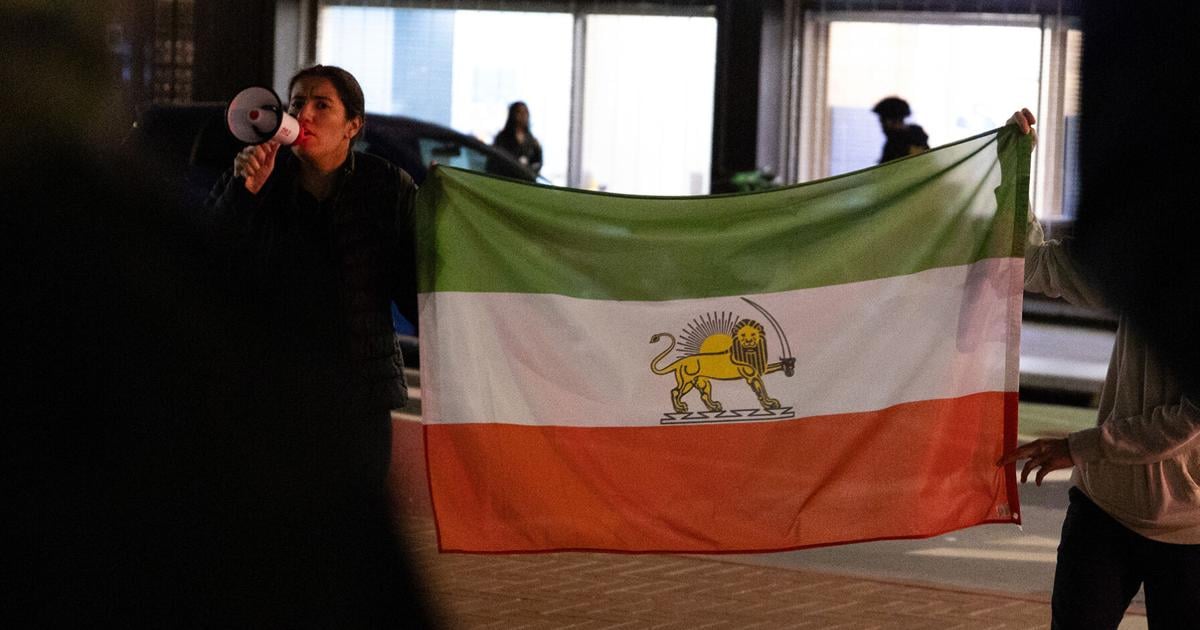
As the U.S.’s war with Iran enters its sixth month, the future of the conflict remains uncertain, according to UC Berkeley public policy professor Andrew Reddie.
Since Israel and the U.S. first attacked Iran in February, killing the country’s Supreme Leader Ali Khamenei, the war — originally predicted by President Donald Trump to last a few weeks — has stretched on into its sixth month with on-and-off ceasefire agreements. Reddie said both the Trump administration and Iran are unpredictable, making it difficult to see an end in sight.
“Anybody who’s prognosticating about where things are moving are trying to sell you snake oil on their kind of vision of the future,” Reddie said. “We just don’t know.”
In response to U.S.-Israel strikes, Iran effectively closed the Strait of Hormuz, one of the world’s busiest oil chokepoints, providing passage for more than 20% of the world’s oil and liquid gas. The strait’s closure has sent crude oil prices soaring, leading to fuel shortages in Asia and raising gas prices at the pump.
UC Berkeley professor Severin Borenstein, who directs the Energy Institute at the Haas School of Business, said even if the war is raising Americans’ household prices somewhat marginally, “it’s something people are very aware of.”
“The prices for gasoline, direct consumption of gasoline, are very salient. And the prices for some goods — particularly food and air travel, those are two things that get impacted very quickly when the price of oil goes up,” Borenstein said. “I think that the price of oil plays a big role in how consumers see their economy going, and as a result, play a big role in politics.”
Last week, the U.S. House of Representatives voted on a resolution to end the Iran war, though the effort failed in the Senate.
Although Reddie said this effort was “political theater,” he thinks it’s possible that Congress will continue to pressure the Trump administration, especially ahead of November’s midterm elections.
“I think it’s going to be really hard to put this genie back in the bottle, but I can see any number of scenarios playing out,” Reddie said. “One is Congress starts to wrap their hands around it in the context of the midterm elections and the executive branch is forced to off-ramp itself, or walk this back in a way that they hope saves face.”