
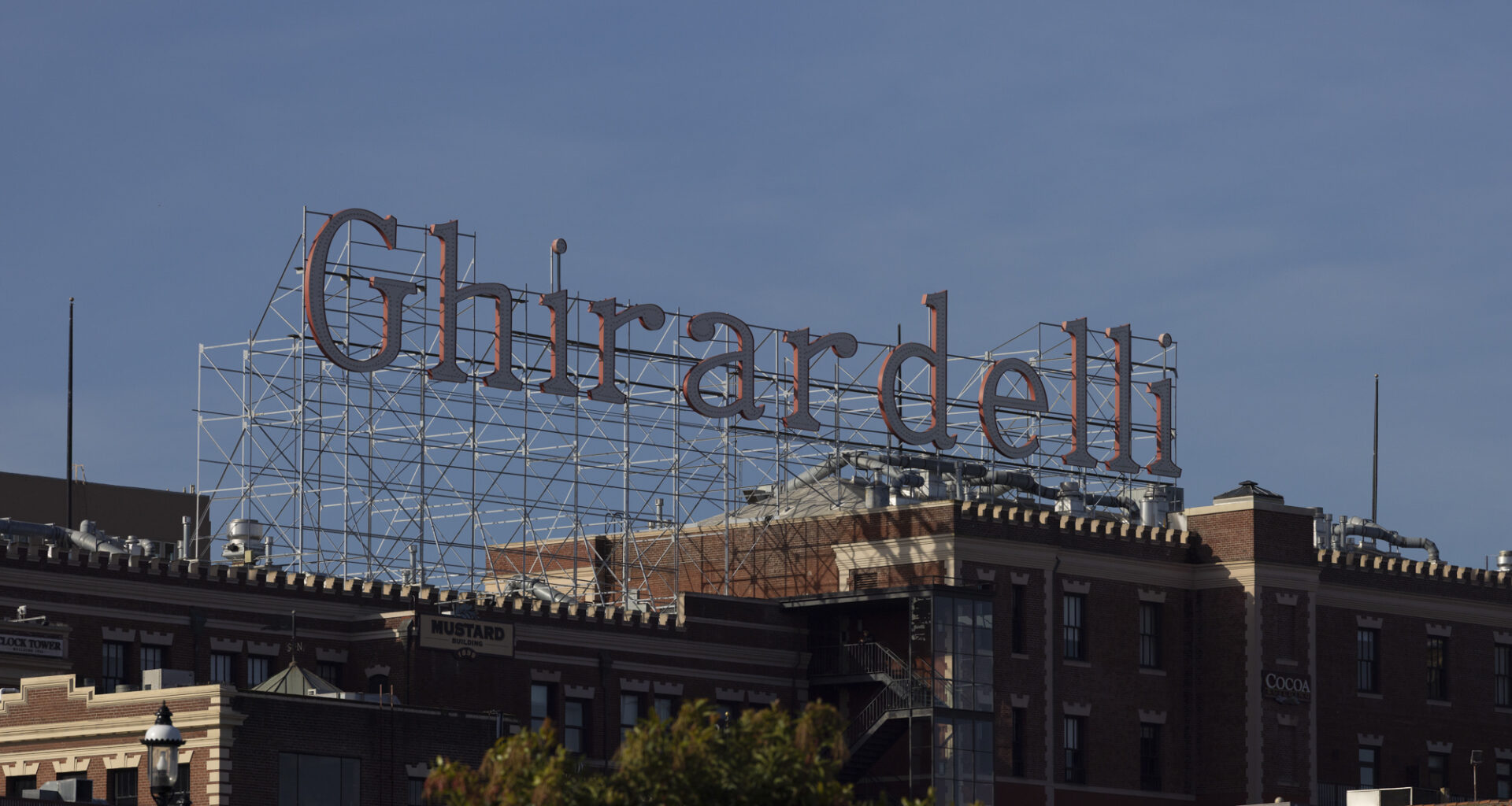
Striking workers say the Bay Area chocolate maker is proposing to raise employee healthcare costs.
Jul 31, 2026
Updated 10:09 am PT
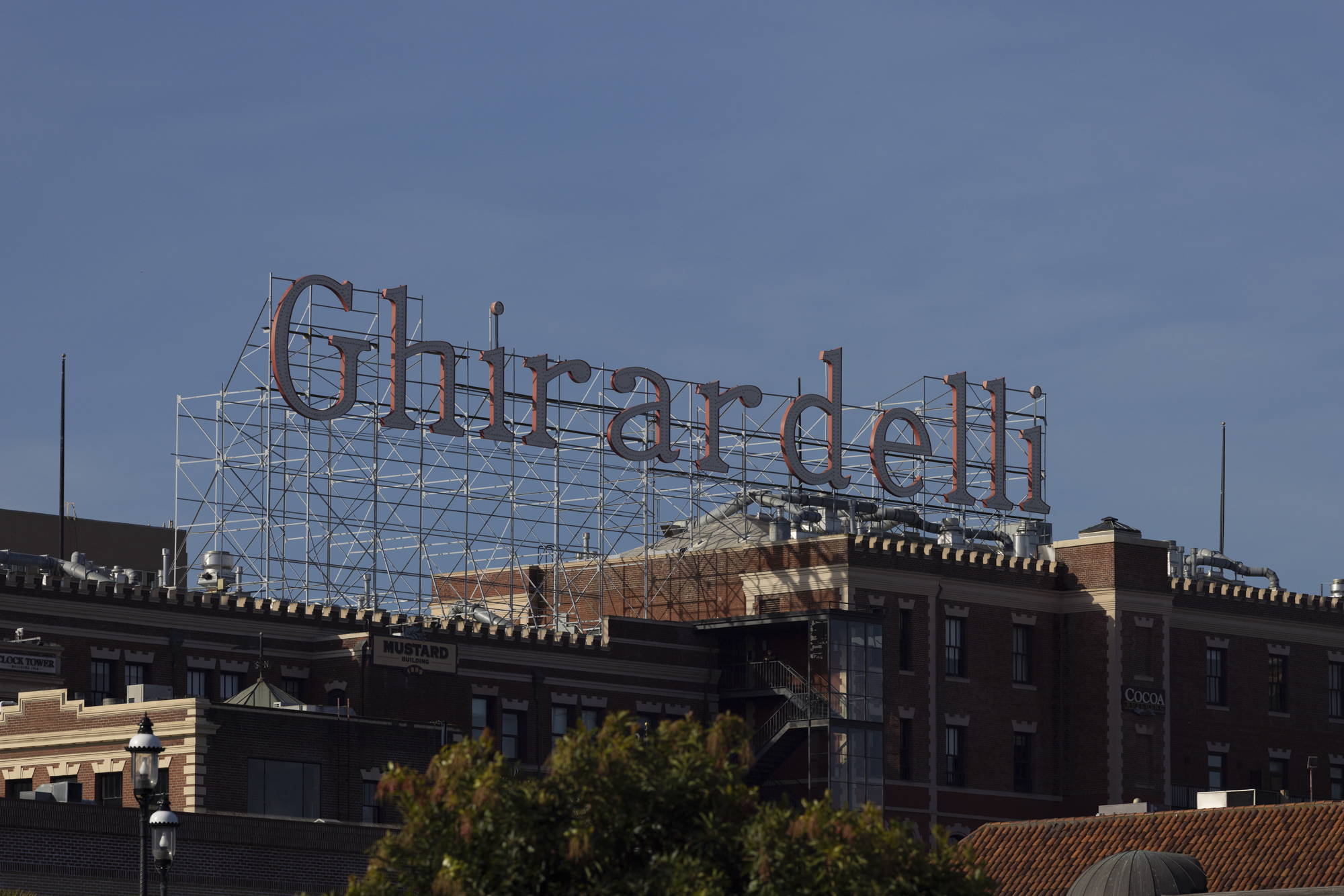
The Ghirardelli factory sign, seen from the San Francisco wharf, on March 21, 2025. The walkout is expected to end on Saturday night. (David Barreda/KQED)
Dozens of chocolatiers, cashiers and other employees at the Ghirardelli Chocolate Company’s flagship store in San Francisco entered the second day of a strike on Friday.
The walkout, expected to end Saturday night, aims to pressure the company to agree to concessions after more than a year of contract negotiations.
Picketers at Ghirardelli Square urged consumers to boycott the brand’s popular business at one of the city’s most iconic tourist destinations. The strike at the Original Ghirardelli Chocolate & Ice Cream Shop is the first in more than 40 years, and comes as unionized employees oppose a company proposal they said would gut their health care benefits, making them more expensive.
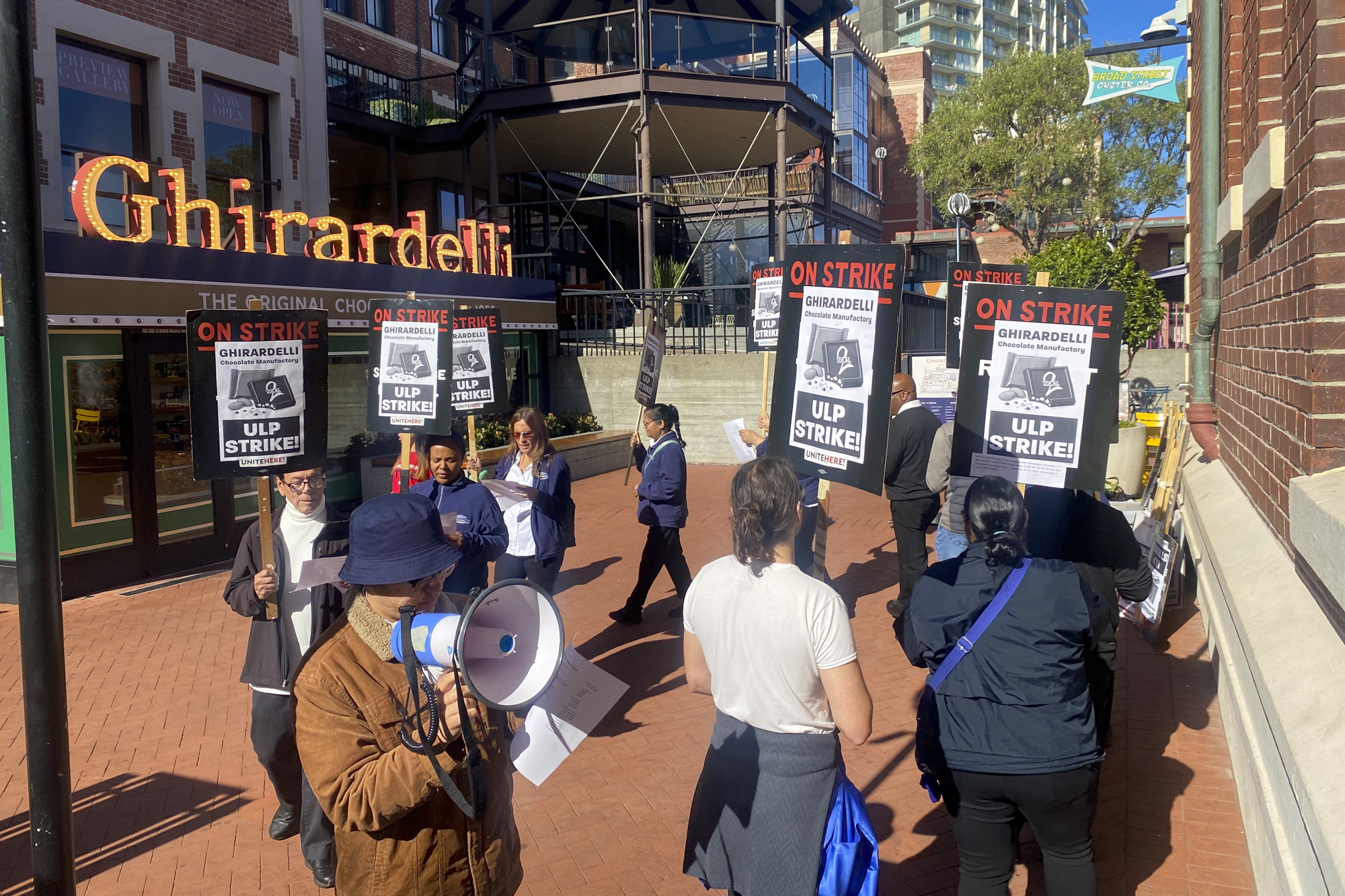 Workers picket outside Ghirardelli’s flagship store in San Francisco on July 30, 2026.
Fredrick Jones, a greeter at the shop for 17 years, told KQED he fears not being able to afford medication that keeps his body from rejecting a heart transplant he underwent last October.
“This benefit that we have right now is very important to us. It helped me out big time with my heart transplant,” Jones, a 47-year-old San Francisco resident, said. “That’s why we’re doing this strike, to let people know that the company is not respecting employees like they should.”
A spokesperson for the Lindt & Sprüngli Group, which owns Ghirardelli, said in a statement that the company values and respects its employees.
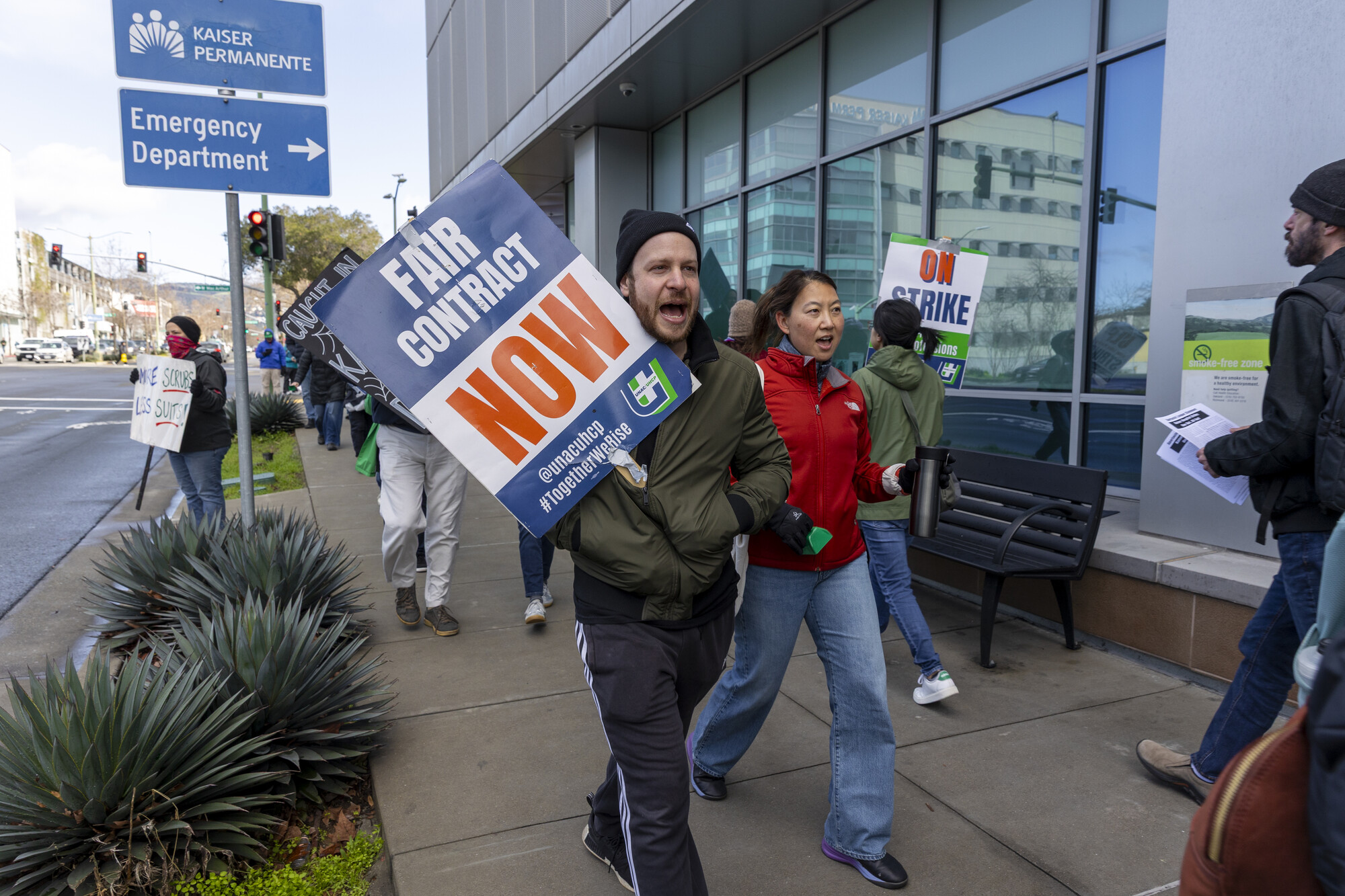 Josh Sokolski (left) and Brenda Hinaga (right), both occupational therapists from Kaiser Walnut Creek, march while on strike at the picket line outside Kaiser Permanente Oakland Medical Center on Feb. 19, 2026. Kaiser workers on the picket lines have gone without their paychecks for four weeks, and many are facing financial and other difficulties.
“Customers expect, ‘Oh, okay, this [fee] is gonna cover workers’ health insurance.’ And yet, Ghirardelli is trying to cut their health insurance,” Karabel said. “They need to be transparent about what kind of resources they’re getting from customers that are supposed to be dedicated to paying for health care coverage.”
Last year, disputes over health benefits became a flash point driving work stoppages nationwide, as medical coverage costs continued to rise, according to a report by researchers at Cornell University’s Labor Action Tracker.
In recent months, Bay Area service workers at the University of California, warehouse staff at the C&H Sugar refinery in Crockett and patient care employees at Kaiser Permanente have said that protecting or improving their health insurance was a main reason for striking.