
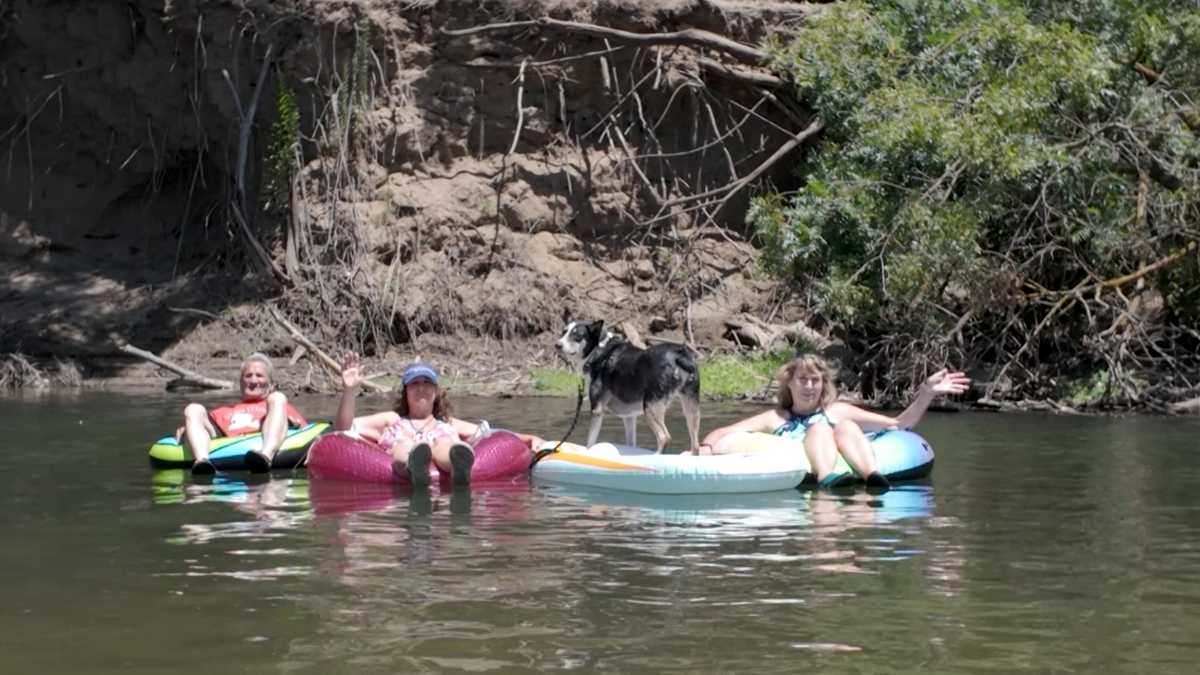
Northern California heat wave safety guide: How to stay cool and safe during triple-digit temps

The first heat wave of the summer in 2026 arrives on Friday, July 31, and temperatures could stay in the triple-digits for close to a week, according to our weather team.
Below is a guide for how you and you pets can safely beat the heat, along with water safety tips.
Download our app and check the daily forecast, air quality
Download our app here and check the weather section for the latest expertise and insights from our weather team, along with the hourly forecast. You can also check air quality here.
Find a cooling center, library or community center to stay cool
The California Governor’s Office of Emergency Services compiled a list of cooling centers and resources by county. See below for resources in KCRA 3’s coverage area.
Stay cool at community swimming pools
Below is where to find community pool and splash pool information for some cities in our coverage area.
If you live outside these cities, check your city government website for more information on community pools.
Stay cool at a water park
Here is a full list of water parks in Northern California and the Bay Area. See below for a list of parks in our coverage area.
Tips for avoiding heat illnesses
Do you know the difference between heat cramps, exhaustion, heatstroke and rashes?
Heat cramps
These can arise when you exert yourself outside on a hot dayNoticeably tired/crampy. You could have muscle pain or spasms.
What to do: Head to a cool area, get hydrated with water or a sports drink, and take it easy the rest of the day. Get medical help if your cramps last more than an hour, you’re on a low-sodium diet or have heart problems.
Heat exhaustion
A fast, weak heart rateProfuse sweatingCold, pale or clammy skinNausea or vomitingMuscle crampsTiredness or weaknessDizzinessFainting
What to do: Get to a cool area, loosen your clothes, put a cool, wet cloth on your body, or take a cool bath, and sip water. Call 911 if necessary, especially for people with underlying health conditions. You should also get medical help if you are throwing up, your symptoms get worse or last longer than an hour.
Heatstroke
A body temperature that is 103 degrees or higherHot, noticeably dry or red skinRapid, strong pulseHeadacheDizzinessNauseaConfusionPassing out
What to do: First responders recommend calling 911 right away because heatstroke is a medical emergency. Move the person to a cool place and lower their temperature with a cool cloth or a cool bath. Do not give them anything to drink.
Sunburns and heat rashes
Sunburns can be painful, with red and warm skin, or blisters. Heat rash is red clusters of small blisters that look like pimples and are usually present on the neck, chest, groin or in the crease of your elbow.
What to do: You can stay out of the sun until your sunburn heals or put cool cloths on sunburned areas to get relief. Moisturizing lotion can also help, but you shouldn’t break blisters. For heat rash, stay in a cool, dry place. You can use baby powder on the rash for relief.
| MORE LIKE THIS | Want to keep cool in the heat wave? You may need to change your clothes
How to keep your pets safe
The California Department of Public Health has a full list of tips for protecting your pets during hot weather. Below are some of the takeaways, per CDPH.
What to do during extreme heat
Don’t leave your pet in a parked car, even if the windows are down. It’s too dangerousProvide cool water in a tip-proof bowlExercise your pet in the early morning or late in the eveningKeep your pet inside and in plenty of shadeIf it’s too hot for your hand on the ground, it’s too hot for your pet’s feet. Consider booties or walk them on the grassOlder, overweight pets or animals with flat faces are more at risk of heatstroke A pet shouldn’t be shaved because its coat protects it from being sunburned and can act as cooling insulation
Signs of heatstroke in dogs and pets:
Breathing quickly or panting louder and heavier than usual. Open-mouthed breathing/panting in cats is not normalWeakness and/or collapseDry or sticky gumsPale, muddy, or red-colored gums (normal is light pink and moist)DroolingVomiting or diarrheaExcessively tired, dizzy or confusedBruising or bleeding
If you think your pet may have heatstroke, call your vet and safely cool them by using cool or room temperature water to wet their head, ears, paws and belly.
More Heat ResourcesHow to stay safe on Northern California waterways
Life jackets are posted at many access points along local rivers and lakes. California law requires that those under age 13 wear life jackets in any moving recreational vessel, and emergency officials recommend children always wear a life vest when within 20 feet of water.
The California State Parks Division of Boating and Waterways has a list of where you can borrow a life jacket for free here.
See below for counties in our coverage area that offer life jackets to borrow.
Besides wearing a life vest, Cal OES has more safety tips for when you are recreating near fast-moving and cold water.
Some of the takeaways:
Be aware that surfaces are slippery near moving water, so you don’t fall in The bottoms of rivers have uneven surfaces, hidden trees and rocks that could trap you Make sure an adult is always watching children playing near water Bring extra clothing to change into to stay warmIf you fall into water, kick off heavy shoes, swim to shore, not upstream. If you are wearing a life jacket, float on your back. You can also try to get on a boat that flipped over and wait to be rescued If you see someone else fall overboard, throw them something that floats, call 911, but don’t try to save the person yourself
More tips for swimming safely
California Parks has more swimming dos and don’ts. They include:
Swim only in designated areas like lifeguard-protected beaches and use the buddy system Some of California’s rivers can run at temperatures of 30-40 degrees that could take your breath away. The cold water could also be disorienting If you’re at the ocean, never turn your back on itNever dive headfirst or use rope swings because you may hit hidden rocks or the shallow bottom If you are caught in a rip current, swim parallel to shore
See more coverage of top California stories here | Download our app | Subscribe to our morning newsletter | Find us on YouTube here and subscribe to our channel | Make KCRA a preferred news source in Google