
A comprehensive gender equity review of the Fresno State athletics department found it to be generally in Title IX compliance with its athletics participation opportunities, athletic benefits and the treatment afforded the male and female student-athletes in its 18 sports programs.
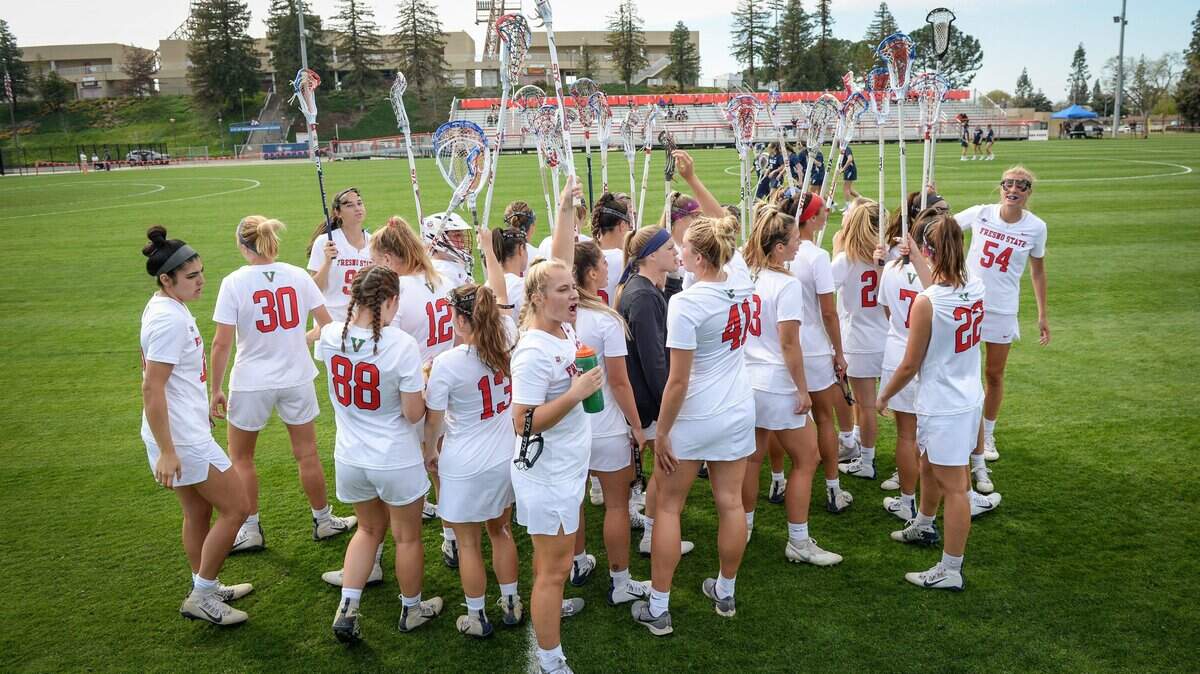
The review was part of a lawsuit settlement with former members of its now-defunct women’s lacrosse team, which was eliminated along with the Bulldogs’ wrestling and men’s tennis programs at the end of the 2020-21 academic year amid a severe budget crunch.
The former players filed suit shortly after the program was cut, alleging the university violated Title IX by depriving female students of equal opportunities to participate and of equal athletics financial aid. They also alleged unequal treatment of women’s programs including lacrosse when compared to male programs.
The settlement was approved in November 2025 by Senior U.S. District Court Judge Kimberly Mueller in Sacramento. In it, the university agreed to pay a negotiated sum of $900,000 in attorneys fees and $25,000 to a mutually-agreed upon neutral third party to conduct the gender equity review of its athletics department.
Title IX is the 1972 federal civil rights law that prohibits sex-based discrimination, ensures equal participation opportunities and protects students from sexual harassment in federally-funded education-based programs.
Fresno State did not respond to a request for comment on the report, a summary of which was obtained by The Fresno Bee through a public records request.
It had released a statement in 2021, after the lawsuit was filed: “The university stands behind its position that, as a result of state budget reductions and significant revenue losses due to the COVID-19 pandemic, the university had to make the difficult decision to eliminate three sports teams: men’s tennis, men’s wrestling and women’s lacrosse after this academic year,” it said, in that statement. “The department of athletics will ensure continued efforts toward Title IX compliance as a result of these reductions.”
The review was conducted by Gabe Feldman, director of the Tulane University Sports Law program, and focused on athletics participation counts and areas where unequal treatment was alleged including equipment and supplies, team travel and per diem and locker rooms and practice and competition facilities.
It did not address athletics financial aid, Name, Image and Likeness or any actions taken by the university following the class action House settlement in 2025, which cleared the way for NCAA schools to directly pay their student-athletes through revenue sharing.
Feldman toured athletics facilities and met with athletics personnel, examined squad lists, medical-exception lists, countable athletically related activities (CARA) records, internal handbooks, policies and other materials. The university, he wrote in the summary, provided access to all requested information and personnel.
The report summary stated:
On participation opportunities: Fresno State had 297 female student-athletes (58.7%) in 2024-25, and 209 male (41.3%). Its undergraduate enrollment of 21,852 was 58.3% female, 41.5% male and 0.2% non-binary; it therefore had a gap of two athletics participation opportunities for male athletes.
On equipment and supplies: “Although there were isolated complaints that apparel for female athletes was not comparable to that provided to male athletes, the report found no material program-wide disparities in uniforms, apparel, sport specific equipment, general supplies, instructional devices, or conditioning equipment.”
On travel and per diem: “Fresno State has department-wide policies governing transportation, hotels, dining, trip duration, and per diem. The report found no material aggregate disparities in the quality of hotels, modes of transportation, dining arrangements, per diem, or the length of team travel.”
On the scheduling of games and practices: “The report found no material gender-equity issues regarding the number or duration of practices, competition schedules, facility access, or preseason and postseason opportunities. Coaches generally reported that they could access facilities when needed.”
On housing and dining: “The report found no material gender-equity issues involving housing, dining, nutrition, laundry, parking, or related residential services.”
On publicity: “There were individual complaints that women’s teams receive less publicity than men’s teams, but the report found no material program-wide inequity in sports information services, publications, promotional activity, or publicity.”
On recruiting: “Some coaches expressed dissatisfaction with their recruiting opportunities or available recruiting resources, but those concerns did not appear to be gender-based, and the report found no material disparity in recruiting budgets, personnel, opportunities, or the treatment of prospective athletes.”
The report did identify facilities issues at the North Gym that disproportionately affect female student-athletes, including problems with heating and air conditioning systems and other aspects of locker rooms that, according to an athletics department official, are used by the women’s swimming and diving and track and field teams.
The athletics department, the summary stated, has limited control over the North Gym, which is maintained by the university’s non-athletics administration. But, “the subpar condition of North Gym appears to create gender inequities regarding locker rooms. Fresno State should address the existing facility issues and continue assessing the facility needs of all teams.”
Fresno State, according to the settlement, will have 60 days to work with Feldman to develop a gender equity plan to address findings in the review. It will begin to implement that plan no later than Sept. 1 and complete it by the end of the 2027-28 academic year, barring extenuating circumstances that would lead to extensions.
The parties in the settlement also agreed that Fresno State will not be required to increase its overall athletics budget to address any items or issues identified.