
SAN FRANCISCO — San Francisco voters broadly support police use of drones, surveillance cameras and automated license plate readers as the city reports some of its lowest crime levels in decades, according to a new poll, though the expansion of the technology has also generated concerns about privacy, data sharing and potential access by federal immigration authorities.
The poll, conducted by FM3 Research on behalf of GrowSF, surveyed 662 San Francisco voters between July 8 and July 19, 2026. The poll carries a margin of error of plus or minus 4.9 percentage points and comes after two years of declining crime rates.
GrowSF co-founder Steven Bacio said, “By many measures, San Francisco is safer, and its quality of life is stronger than it has been in decades, thanks in part to modern public-safety technology. The message is clear: residents want city leaders to continue modernizing the police department and deploying every effective tool available to keep them and their families safe.”
According to the poll, 72% of respondents support letting police use drones and cameras to assist in an active investigation after a 911 call, while 70% support allowing San Francisco Police Department officers to carry Tasers.
Support for letting officers monitor public safety cameras in real time in areas such as open-air drug markets stood at 64%, rising to 69% when the question included explicit civil liberties safeguards.
Majorities also backed using camera technology to help outreach workers prevent overdoses, at 68%, and to crack down on illegal dumping, at 66%. GrowSF said support generally crossed demographic and neighborhood lines.
The polling comes as San Francisco has experienced substantial declines in reported crime.
SFPD data shows overall crime falling roughly 25% in 2025, violent crime declining about 18% and property crime dropping about 27%. Car break-ins fell 44% over the same period, and the city recorded its fewest homicides since 1954.
GrowSF cited those figures as evidence that San Francisco’s technology-based public safety strategy is working. City officials have similarly credited expanded police technology as one component of the decline.
GrowSF co-founder Sachin Agarwal said the technology is particularly important because of SFPD’s staffing shortage.
“The benefit of drones and cameras becomes even clearer amidst the realities of SFPD’s significant staffing shortage,” Agarwal said. “Drones and cameras help deter would-be car burglars and aid police and prosecutors in holding offenders accountable. Taxpayers know this approach is both significantly more affordable and less intrusive than placing police officers on every corner.”
Car break-ins have shaped San Francisco’s reputation on public safety for years, with “bipping” once treated as an almost routine risk of parking downtown.
That began shifting after voters approved Proposition E in March 2024, allowing SFPD to expand its use of drones, city-owned cameras and automated license plate readers in investigations, including auto burglary cases.
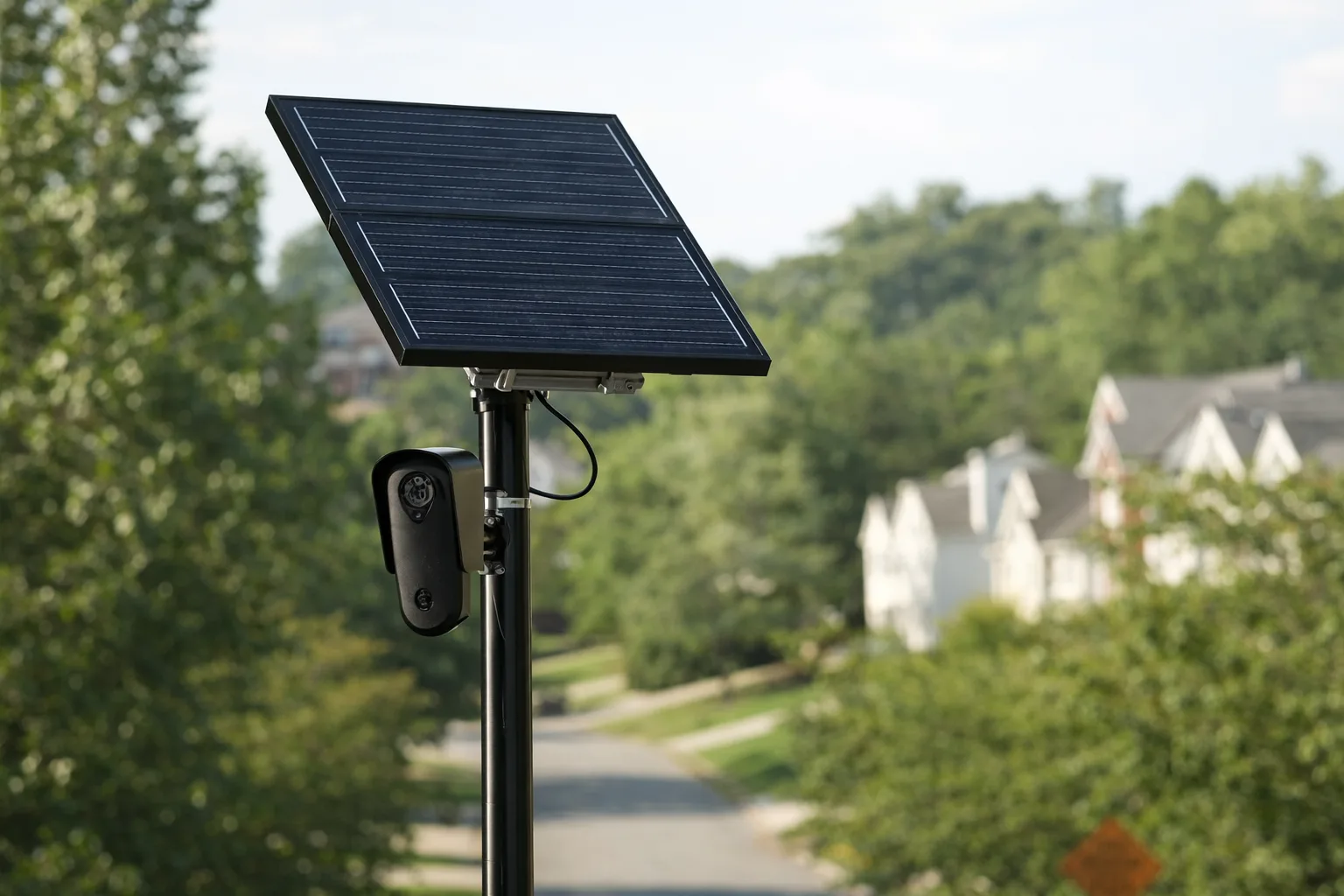
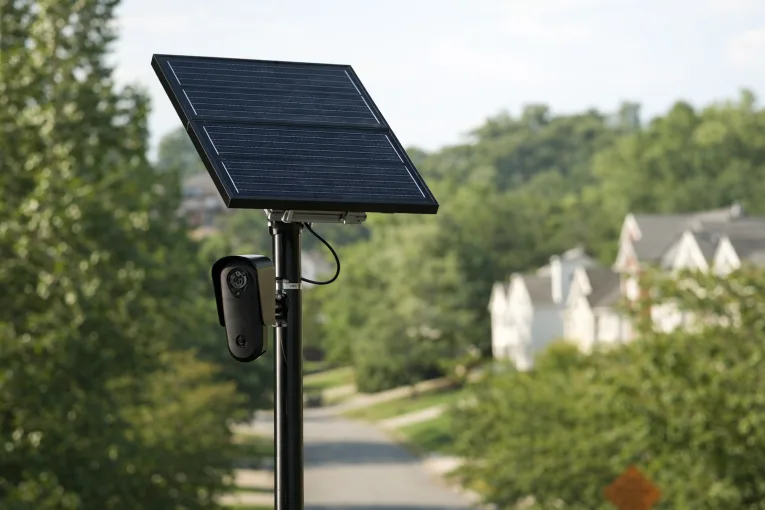
Police have since paired drone footage with Flock Safety license plate readers to identify and track suspect vehicles, sometimes allowing officers to make arrests without engaging in high-speed pursuits.
GrowSF says auto break-ins fell 56% in the months after the technology was deployed, and SFPD has flown drones roughly 1,400 times since 2024. Mayor Daniel Lurie, District Attorney Brooke Jenkins and Police Chief Bill Scott have each pointed to the technology as an important part of the city’s crime reduction strategy, according to GrowSF.
At the same time, the expansion of automated license plate readers has generated privacy and civil liberties concerns in San Francisco and other California jurisdictions.
The Vanguard has previously reported on concerns surrounding Flock Safety’s automated license plate reader network, particularly regarding how information collected by local police departments can be searched and shared with other law enforcement agencies.
The cameras automatically record license plates and other vehicle information, allowing investigators to search databases for vehicles associated with crimes. Supporters say that capability can help police locate suspects and stolen vehicles more quickly.
Privacy advocates have raised concerns that widespread networks of readers can also allow authorities to reconstruct a vehicle’s movements and collect information about drivers who are not suspected of crimes.
Questions about data sharing have become particularly significant amid concerns that information collected by local law enforcement could become accessible to federal agencies, including those involved in immigration enforcement.
Similar concerns have prompted scrutiny of Flock systems elsewhere in California, including Los Angeles, where officials have reconsidered aspects of the city’s use of automated license plate reader technology amid questions about outside access to the data.
The debate illustrates the competing considerations surrounding the technology. Police and supporters point to its ability to identify vehicles, gather evidence and supplement an understaffed police force, while civil liberties advocates have sought stronger limits on data retention, searches and information sharing.
San Francisco’s own polling suggests voters may see room for both public safety technology and privacy protections.
Support for real-time monitoring increased from 64% to 69% when respondents were specifically told that civil liberties safeguards would accompany its use.
The poll also found that the share of voters who believe San Francisco is heading in the right direction is the highest it has been since 2016. When asked to rank the seriousness of various city problems, voters placed violent crime and property crime near the bottom of their concerns, marking a notable shift from two years ago.
More residents also reported that street conditions, public drug use and homelessness are improving rather than worsening, a change GrowSF said signals growing public confidence in city government.
The results show strong voter support for San Francisco’s expanded use of public safety technology at a time when reported crime has fallen substantially. They also place the city within a broader debate over how police departments can use increasingly powerful surveillance tools while maintaining safeguards governing privacy, data access and information sharing.
To comment please go to one of these social media platforms:
Facebook: https://www.facebook.com/DavisVanguard
LinkedIn: https://www.linkedin.com/company/peoples-vanguard-of-davis-inc/
Instagram: https://www.instagram.com/davisvanguard/
X: https://x.com/davisvanguard
Bluesky: https://bsky.app/profile/vanguardnewsgroup.bsky.social
Subscribe to the Vanguard News letters. To make a tax-deductible donation, please visit davisvanguard.org/donate or give directly through ActBlue. Your support will ensure that the vital work of the Vanguard continues.
Categories: Breaking News Everyday Injustice Tags: Automated License Plate Readers Civil Liberties Flock Safety police drones Police Surveillance San Francisco