
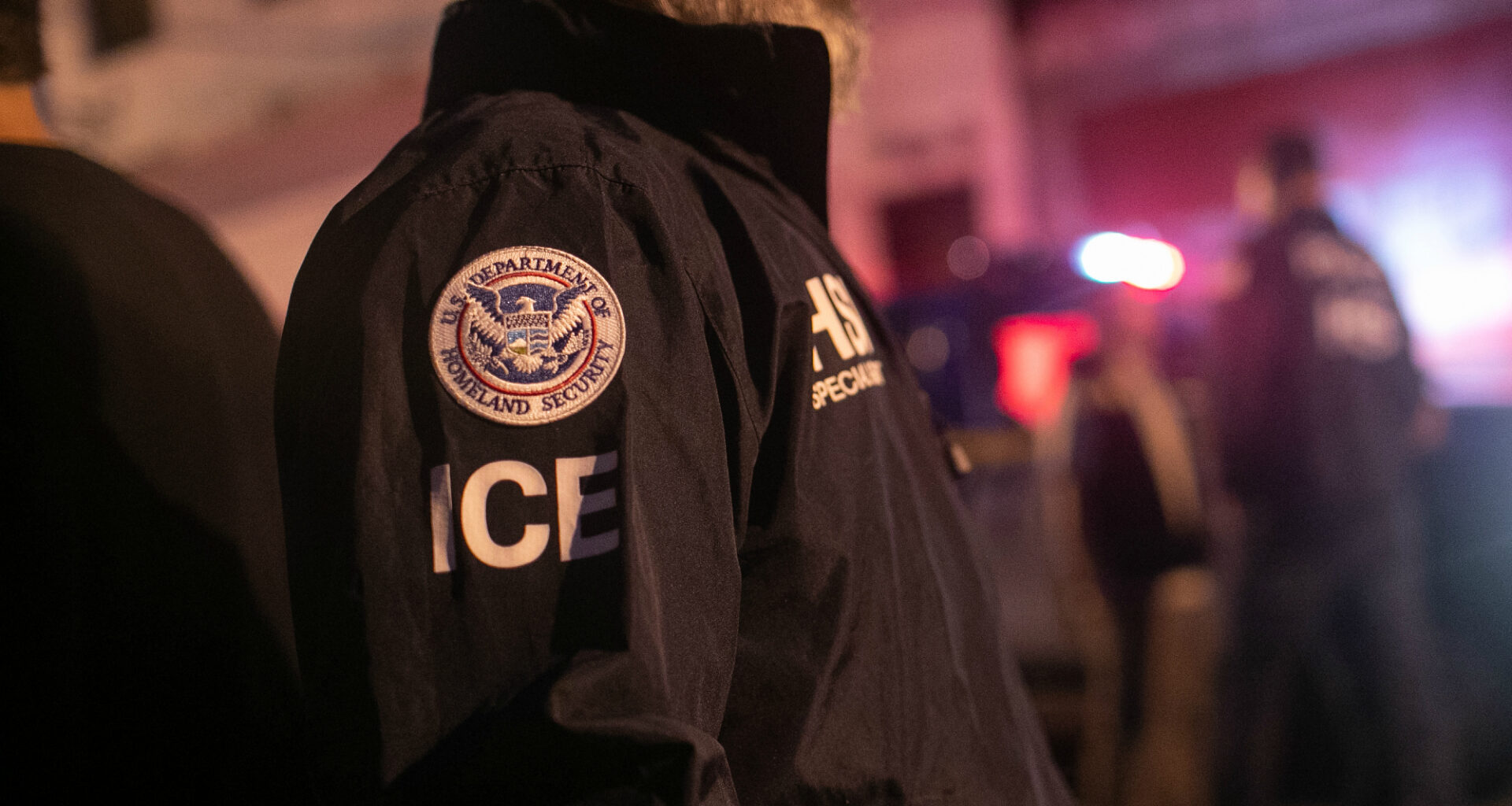
A California judge is holding DHS in contempt for failing to present evidence requested from agents’ personal cellphones
A California federal judge held the Department of Homeland Security in civil contempt this Tuesday for allegedly taking deliberately slow action to fulfill an order to disclose communications on personal cellphones of agents present at 15 known SoCal immigrant operations.
The original order, made Jan. 16 by a magistrate judge, directed the Trump administration to expedite forensic imaging of cellphones used by agents involved in operations specifically in the Los Angeles area in 2025. Following the slow-moving execution, U.S. District Judge Maame Ewusi-Mensah Frimpong imposed a $500 fine for every day that the order is not complied with.
Attorneys representing immigrants entangled in the Trump administration’s immigration crackdown in L.A., coined “Operation At Large,” argue that the phones may contain evidence of federal agents acting on racial profiling.
The order demands communications made by over 800 agents. Attorneys for DHS admitted in court in June that the timeline of processing government devices — turning an average of three phones per 14 days — has resulted in falling short of meeting the original order.
A Department of Justice lawyer filed the first notice of payment Tuesday, confirming the government is making a payment of $3,500 following Frimpong’s recent order that it file a notice of payment every seven days.
Tuesday’s order follows a lawsuit filed last year by the American Civil Liberties Union, among other civil liberty groups and private attorneys, calling for unlawful stops and arrests, the right to counsel and the protection of due process for those in immigration detention.
Plaintiffs involved requested the government disclose communications made by agents regarding their actions in the immigration raids to show there was unfounded suspicion. This sparked the original order, made in Jan. by U.S. Magistrate Judge Sheri Pym as part of the lawsuit, demanding the government forensic image cellphones of agents used during the SoCal operations.
Scroll to continue reading
As of May, not a single phone had been properly imaged, prompting the plaintiffs to question the government’s ability to prove they should not be held in contempt through the court.
Last week, body camera footage surfaced revealing federal agents using racial slurs to describe people seen during 2025 L.A. immigration aids. The terms “wet” and “tonks” are heard in the body cam footage, both terms used to demean and profile Mexican and Latinx immigrants.
“Wet,” short for “wetback,” is a racial slur made in reference to immigrants who have historically entered the U.S. by crossing the Rio Grande. “Tonk” is a derogatory term thought to stem from the sound of an agent’s flashlight “striking a migrants head,” according to NPR.
Border Patrol supervisors have previously sought to ban agents from using both terms. These texts were cited by the ACLU when requesting Frimpong issue another order to prohibit agents from detaining people based on race last month.
According to Frimpong, there have been no updates from the government indicating the forensic imaging of personal cellphones.