
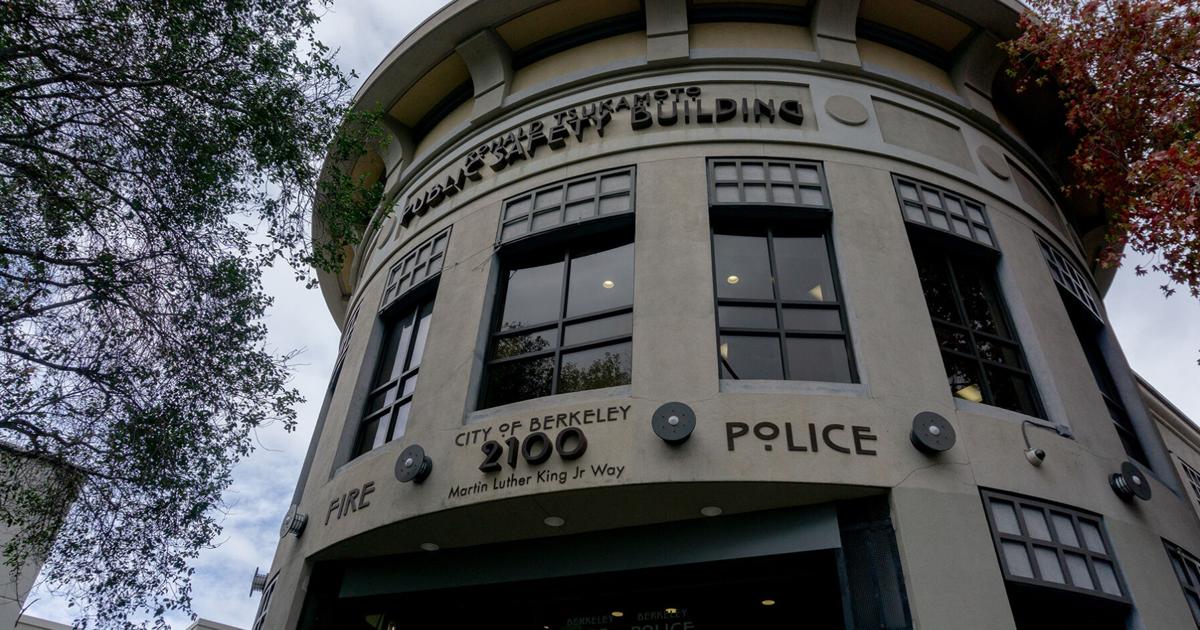
Berkeley Police Department encrypted all radio channels Thursday at 5 a.m., citing safety issues. On Wednesday at its regular meeting, the Police Accountability Board, or PAB, discussed the decision in addition to a mandatory training for all BPD officers to be aware of Berkeley’s sanctuary city status.
PAB Vice Chair Leah Wilson expressed frustration with the decision, citing BPD’s previous statement that it would not encrypt radio channels. According to Deputy Chief Jen Tate, Berkeley is the last city in Alameda and Contra Costa counties to encrypt its radio channels.
“Residents and journalists rely on open access to BPD’s radio in order to provide updates to the community on issues of public safety, an important source of knowledge especially amidst increased enforcement by masked federal officers across the nation,” wrote Director of Police Accountability Hansel Aguilar and PAB Chair Joshua Cayetano in the letter submitted to City Council.
BPD Lieutenant Christopher Bonaventure expressed that having unencrypted channels was a safety issue for BPD officers, as locations and tactics of officers could be listened to.
The board also discussed BPD’s mandatory training program for all employees as a result of Immigration and Customs Enforcement, or ICE, activity predicted in the Bay Area. Despite the surge being postponed, the goal of the program is for employees to be aware of Berkeley’s status as a sanctuary city.
The board briefly discussed inviting members from other civilian oversight organizations such as Los Angeles, Portland and Chicago. They hope that members from different cities can testify to the best practices for handling increased ICE activity.
Some board members cited issues with BPD’s Annual Surveillance Technology Report, adding that they were not made aware of two civilian complaints pertaining to body camera footage.
In response, Wilson asked if the board could be made aware of complaints when they are filed and not during the resolution process.
Regarding Automated License Plate Readers, or ALPRs, the board reaffirmed that BPD should not contract with Flock Safety. Instead, the board will make recommendations for alternative vendors for fixed surveillance cameras.
In addition, the board discussed the Fiscal Year 2027-2028 Biennial Budget, which was presented earlier than usual due to the projected budget deficit. Bonaventure explained how the deficit and hiring freeze have impacted the department.
Bonaventure mentioned that work has been delegated among staff, which is impacting the department. He also expressed concerns about restoring these positions in the future.