
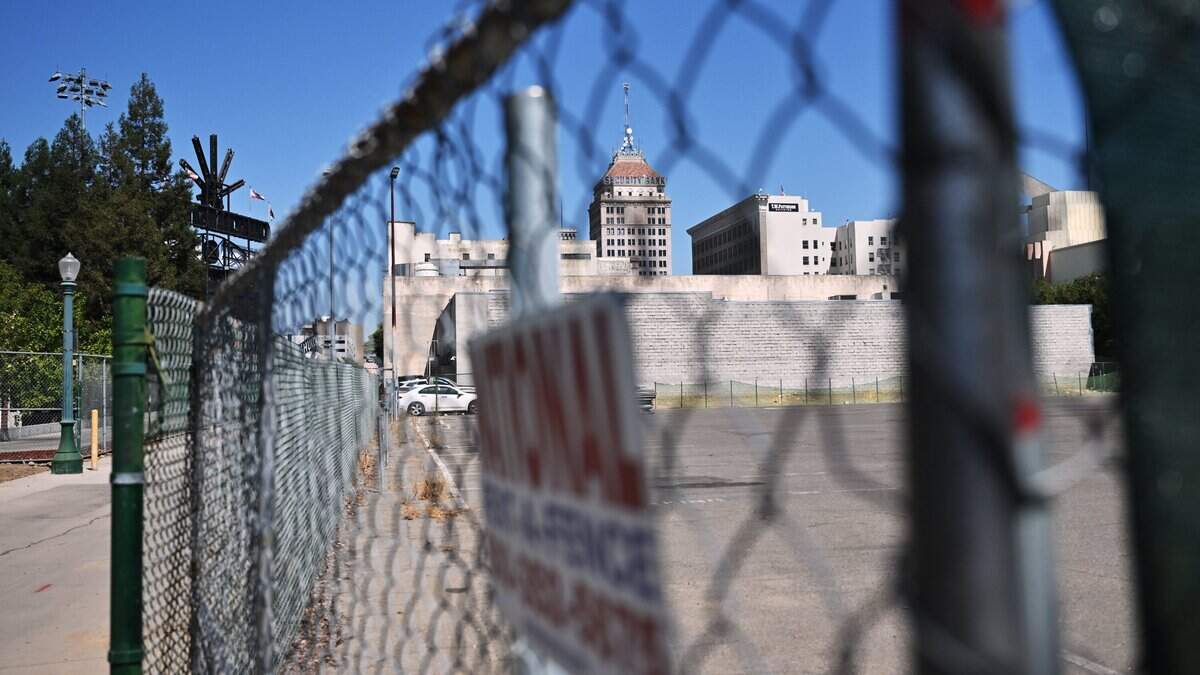
Right outside Chukchansi Park’s outfield in downtown Fresno sits an empty city-owned lot that has promised a major apartment project for more than a decade.
The developers planning to build The Park at South Stadium apartments there have a city-set deadline of Aug. 31 to obtain the permits they need to break ground. It appears they’re just about there.
City of Fresno spokesperson Sontaya Rose said Tuesday in a text to The Bee that the groundbreaking for the eight-story, 174-unit project is expected next week. She did not clarify exactly when.
Helping the developers of the $80 million project get to groundbreaking has been a specific priority in Mayor Jerry Dyer’s downtown revitalization plans. The city first approved a past version of the development in 2016, but it has since become an example of the housing development struggles in downtown Fresno, where financing housing has been difficult because rent prices often do not justify construction costs.
Over the past three years, the city has tried to incentivize development by using state dollars to install new infrastructure to support downtown housing. This year, it has also used some of those dollars to provide shovel-ready developers with gap financing loans to help them start building in the area.
The South Stadium project has received an $8 million gap financing loan and a $3.7 million loan from the city’s Local Housing Trust Fund. The developers have also secured $69.6 million in bond market financing.
“The Park at South Stadium Apartments represents everything we have been working toward — quality infill housing, affordability, and a vibrant urban core,” Mayor Jerry Dyer said in a late May news release, when the project finished securing all the financing it needed for construction to begin.
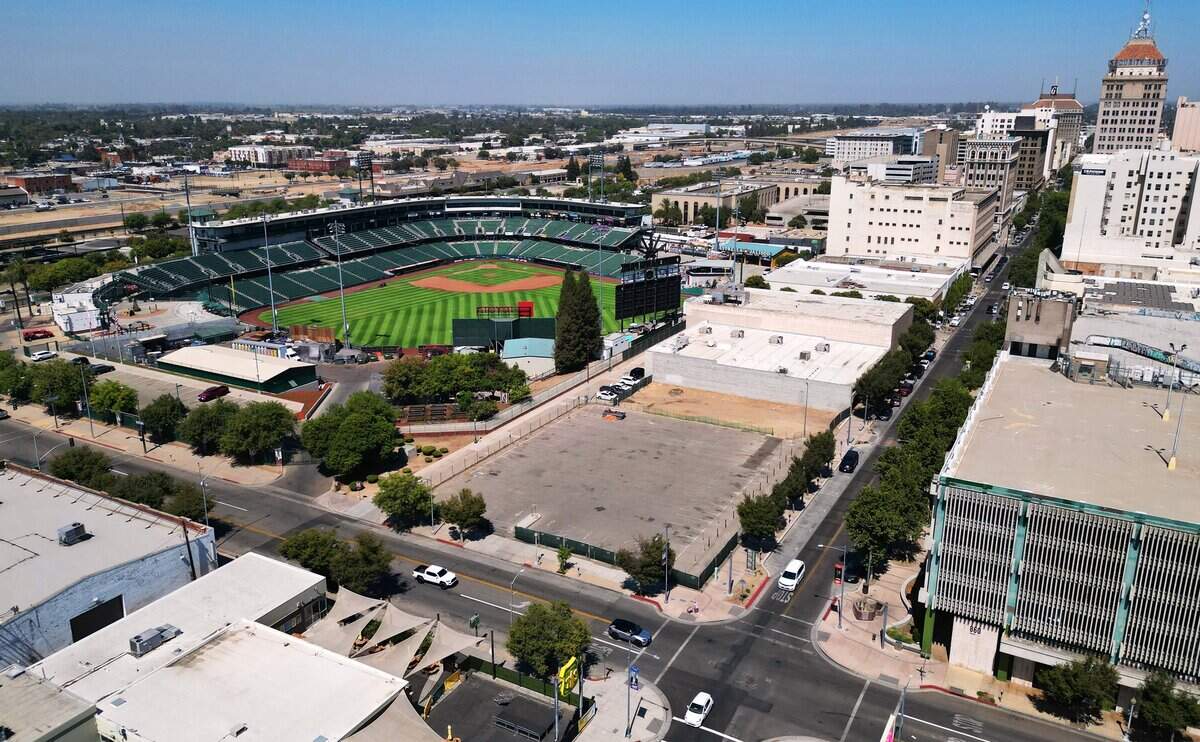 The empty lot at Inyo and Fulton streets, center, future site of The Park at South Stadium apartments seen Aug. 5, 2026 in downtown Fresno. ERIC PAUL ZAMORA ezamora@fresnobee.com 174 units above retail in downtown Fresno’s Brewery District
The South Stadium apartments will provide 174 units at the intersection of Fulton and Inyo streets, across the street from Tioga-Sequoia Beer Garden.
The building will be mixed-income: 104 apartments will be market-rate and 70 will be priced for low-income households for 55 years. The project’s development agreement says the apartments will be fully furnished and feature “modern amenities,” including refrigerators and dishwashers.
The ground level will feature community space, a fitness center, conference rooms and 1,568 square feet of retail space, according to the agreement.
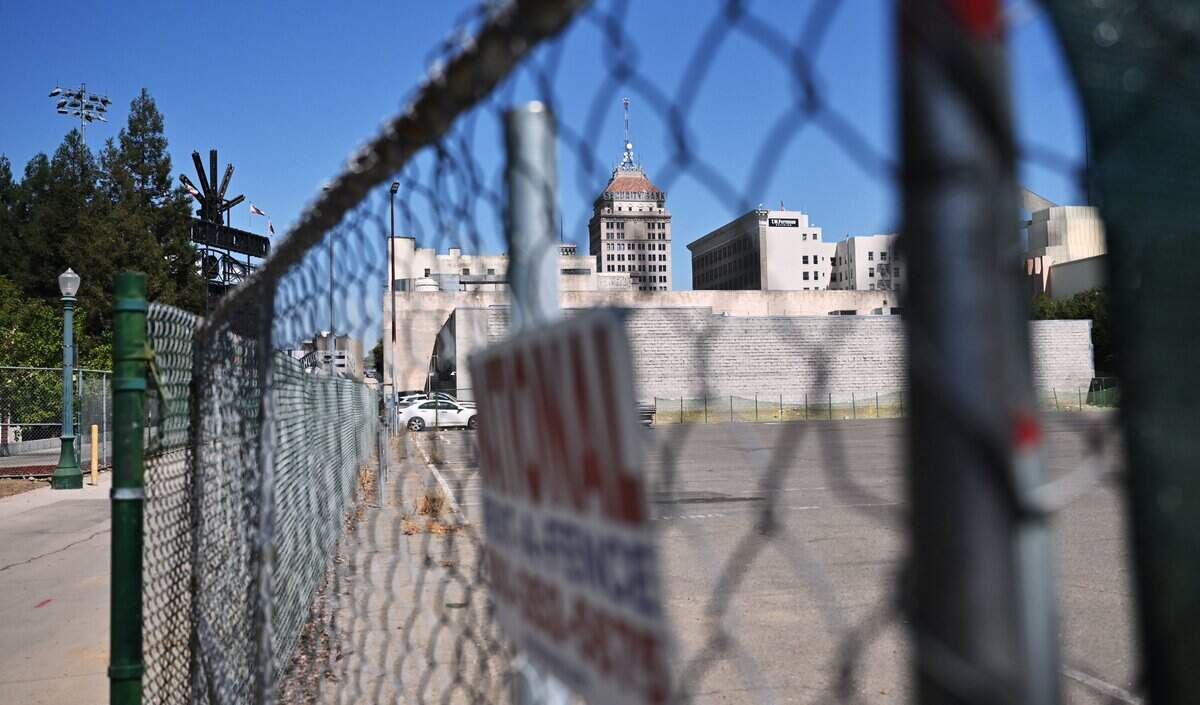 Fencing blocks off the empty lot at Inyo and Fulton streets, future site of The Park at South Stadium apartments, with Chukchansi Park seen to the left in the far background, is seen Aug. 5, 2026 in downtown Fresno. ERIC PAUL ZAMORA ezamora@fresnobee.com Downtown Fresno apartment project was previously killed, revived
Fresno builders Mehmet Noyan and Terance Frazier had already been planning the first phase of the South Stadium project for more than six years when they got the City Council’s approval for the development in 2016. That version proposed 51 units atop 10,000 square feet of retail space at a cost of about $15 million.
In a controversial move, city officials in 2022 killed the project by choosing not to extend deadlines in the agreement. The project’s price tag had increased to $32 million and Councilmember Mike Karbassi argued the project had already stalled for too long.
The city revived the project last fall by approving another development agreement with Noyan and his new partner on the project, Jeff Isenstadt.
Noyan died in June after a long battle with cancer.
.png "Park at South Stadium rendering (The Noyan CompanyJCI Development, Inc.).png") A rendering of The Park at South Stadium in downtown Fresno. The Noyan Company/JCI Development, Inc.
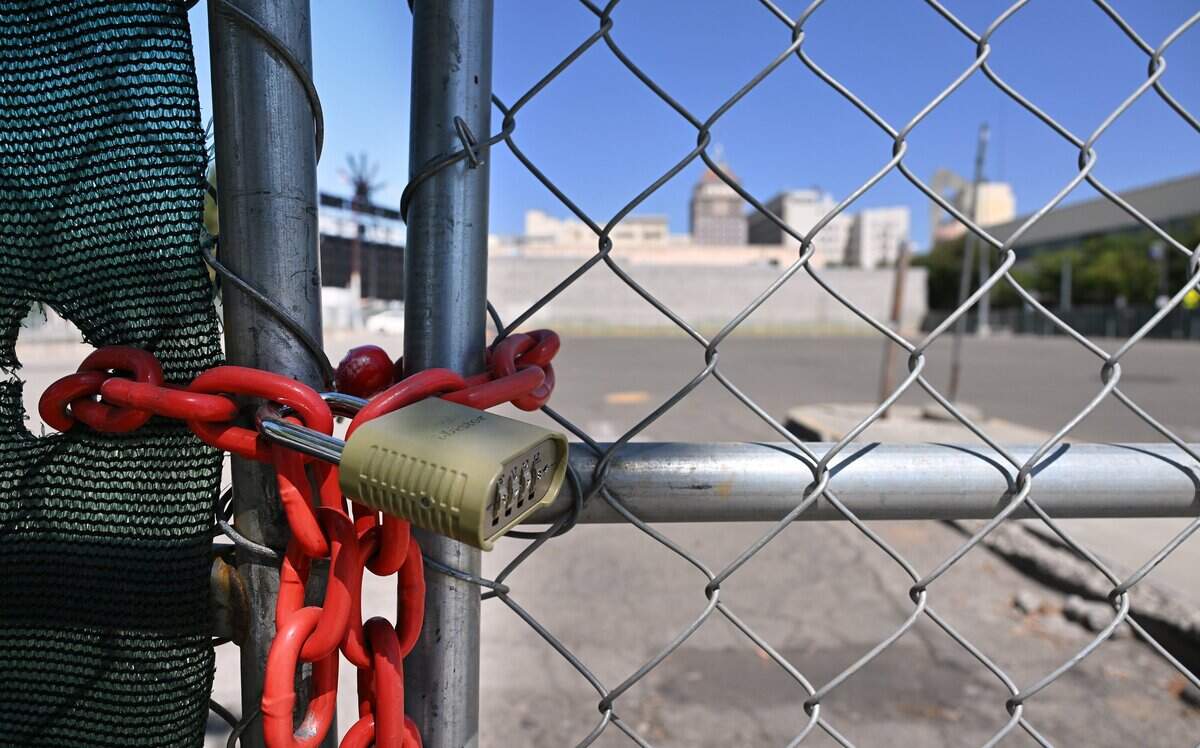 A lock placed along fencing at the empty lot at Inyo and Fulton streets, future site of The Park at South Stadium apartments is seen Aug. 5, 2026 in downtown Fresno. ERIC PAUL ZAMORA ezamora@fresnobee.com
Related Stories from Fresno Bee

The Fresno Bee
Erik is a graduate of the Missouri School of Journalism, where he helped launch an effort to better meet the news needs of Spanish-speaking immigrants. Before that, he served as editor-in-chief of his community college student newspaper, Riverside City College Viewpoints, where he covered the impacts of the Salton Sea’s decline on its adjacent farm worker communities in the Southern California desert.