
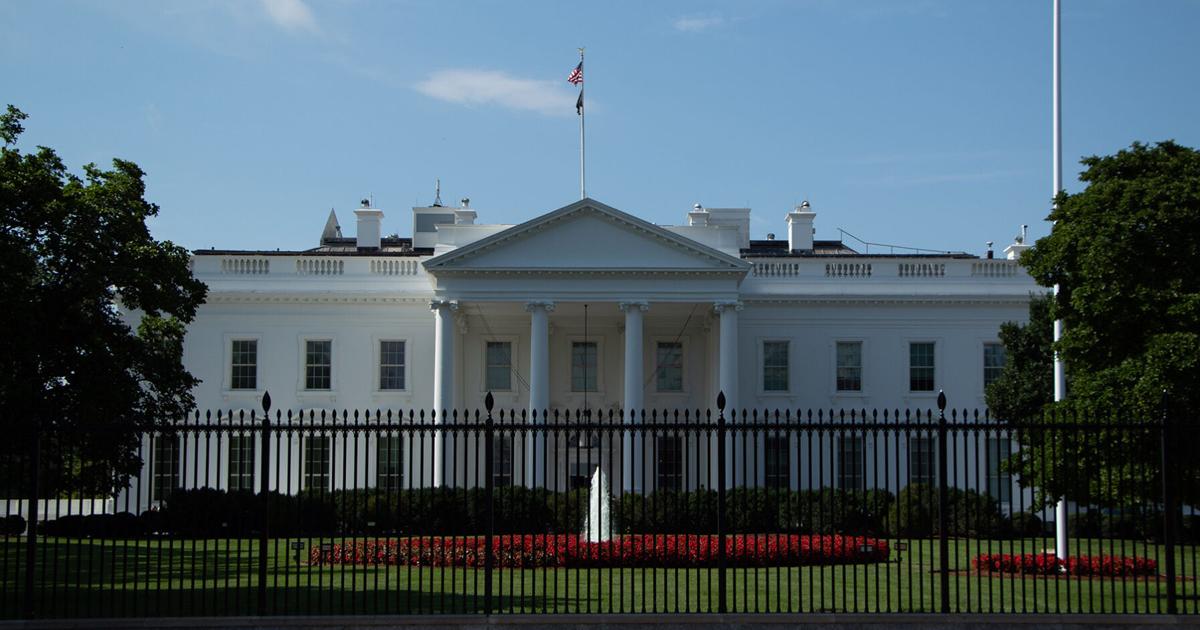
A White House science report released July 21 called for cutting back overhead costs universities collect on federal research grants, singling out rates that reach more than 40% of direct research costs at major institutions. UC Berkeley’s current rate is 60.5%, according to campus spokesperson Dan Mogulof.
The White House Office of Science and Technology Policy report, titled “Science: A New Golden Age,” calls for accelerated grant review cycles, less duplicate paperwork and lower overhead payments that it claims support “administrative bloat.”
Indirect costs, formally called facilities and administrative costs, represent money the government pays on top of research funding to cover shared expenses of running a lab such as heat, electricity, building maintenance and shared equipment. Universities individually negotiate a rate with the federal agencies that provide the majority of their federal research funding, but often do not collect the full amount.
Mogulof said UC Berkeley collected roughly $105 million in overhead costs on federal awards in fiscal year 2025, specifying the 60.5% figure overstates what the university actually collects, because sponsors can restrict what the money can be spent on and lower rates apply to many awards. Mogulof said UC Berkeley’s more realistic rate is about 32.8%.
The report’s underlying criticism drew partial agreement from Abby Dernburg, a professor of molecular and cell biology and chair of the Academic Senate research committee.
“There is no question that administrative ‘bloat’ has vastly outpaced the growth of all other University operations, including teaching and research. The size of the faculty has barely grown since the 1970s, while the administration has ballooned in size, complexity, and expense,” Dernburg wrote in an email.
But Dernburg attributed much of that growth to federal regulations and said most of the Trump administration’s proposals would not curb fraud and would substantially increase the administrative burden of grant review. She described the federal administration as “demonstrably anti-science.”
“I am thus highly suspicious of any guidance they issue, given that their evident goal is to further reduce federal spending on basic research,” Dernburg said. “Everything they have done or tried to do — e.g., by replacing leadership and changing policies and programs at federal agencies — has severely damaged the U.S. scientific enterprise.”
The report also notes that universities taking more than 40% in indirect costs from federal agencies often accept 10% to 15% from private funders. However, Dernburg said those lower rates from private sources do not cover the real cost of research and that the university must subsidize the difference out of its own budget, adding that institutions accept them because the alternative is declining the money.
Mogulof said just under 60 federal awards to UC Berkeley researchers remain terminated or suspended, a loss of about $40 million left unspent.