
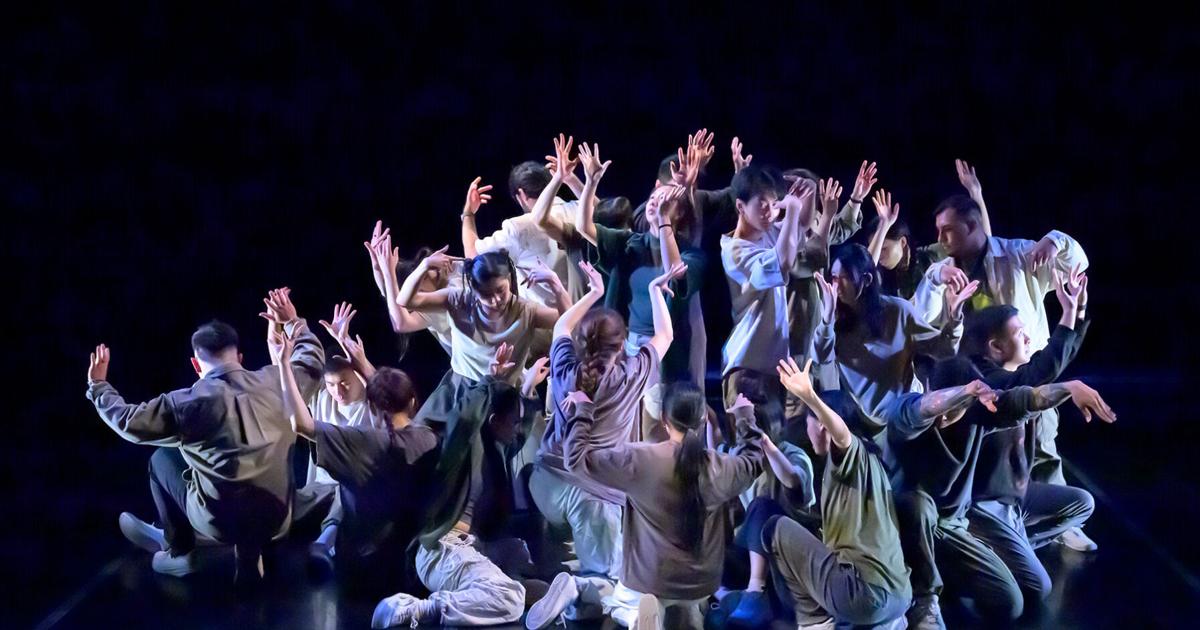
Celebrating a monumental 27 years, the annual San Francisco International Hip Hop DanceFest brings hip-hop dancers and choreographers from around the world to showcase their work on a theater stage. Ahead of this year’s festival, taking place at the Palace of Fine Arts Nov. 9-10, The Daily Californian sat down with both Micaya, the prolific founder of the event, and LeDarius “Gipsi” Parker, a choreographer whose routine is featured, to discuss the festival’s iconic importance within the dance community and what to expect from this year’s program.
What spurred one woman to take the leap to produce an international hip-hop festival nearly three decades ago?
“I was already producing smaller shows on a local level here in … San Francisco and I saw the lack of respect (in) the way that these artists were treated. And it just led me to want to … take it to a different place and make it a little bit bigger and put them on an actual, real theater stage, and treat them like the artists that I … have seen other dancers, modern dancers and ballet dancers be treated,” Micaya explained.
In an industry that often touts other genres as the titular image of dance, respecting and uplifting hip-hop artists felt incredibly important to Micaya. The San Francisco International Hip Hop DanceFest provides all travel and lodging expenses to dance companies chosen to perform in the program.
Reflecting on the success and growth of the festival over the years, she noted: “The festival being able to go from just ticket sales, being able to figure out how to make it work, then asking for donations, writing grants, getting arts funding, made (it so) every time I would get a little bit more money (I) would (say) okay, now I can give these dancers more than the pizza every night … now I can put them in a hotel … So that’s been my measure of success.”
When asked to elaborate on the importance of providing resources for these artists to come to San Francisco and perform, Micaya added: “If I was producing the San Francisco Ballet Dance Festival, would you ask me the same question? If I was producing the San Francisco Jazz Festival, would you have asked me the same question? … Why is hip-hop amateurized or made a juvenile art form, when I’m seeing people making these intentional works of art, just like an Alvin Ailey or SF ballet. (When it comes to other genres of dance) we would never question that we wouldn’t treat them like the professionals that they are.”
The care for these artists that Micaya brings into the curation and production of DanceFest is reflected in the jubilant way LeDarius, choreographer of the hip-hop company MUNA from North Carolina, discussed his working relationship with her.
“She treats us like the artists that we are … She treats us the way I feel like dancers should be treated, especially street dancers … She treats us like we’re the stars, because we are the stars … She just (acts) like that mom I didn’t know I had and I needed.”
That kind of familial, supportive environment is hugely important for hip-hop artists to rely on as they showcase their craft in the fine arts world, a space that they are typically excluded from.
When asked about putting street dance onto a theater stage, LeDarius said: “(Street dance) can be extremely versatile. It can be powerful, elegant, strong, beautiful, like all of these things, without compromising the history, the movement, the mannerisms, all of it can be done in a setting that most people don’t think it would be put (in).”
A festival that seeks to encompass the beauty of street dance and all that it is through a variety of artists and performances, is a huge undertaking to curate.
“(The process requires) trying to put this puzzle of energy together so that the audience … really feel like they’ve had a whole complete journey,” Micaya said when asked.
What can audiences expect from this year’s program?
“This year, I think I received about 80 or 90 applications and all the artists sent a lot of deep (work) … There’s a collective consciousness that sometimes happens on this planet that we all feel, and I happen to be witness to it when I received all of these deep and meaningful (pieces) … This is a very artistic program.” Micaya said. “There is some mesmerizing stuff this year with topics like toxic masculinity, interdependence, political freedoms.”
While many of the pieces are deeply personal, political and cathartic, Micaya ensured that both comedic numbers and dances that would serve to uplift the audience were included, such as LeDarius’ piece for MUNA that plays with the harmony of dance that occurs through discipline and passion.
As for why they think people should come and watch, LeDarius laughs: “Why aren’t you coming? It’s something new … It’s beautiful … It feels like coming home, in a way … And then there’s gonna be music and fun performances!”