
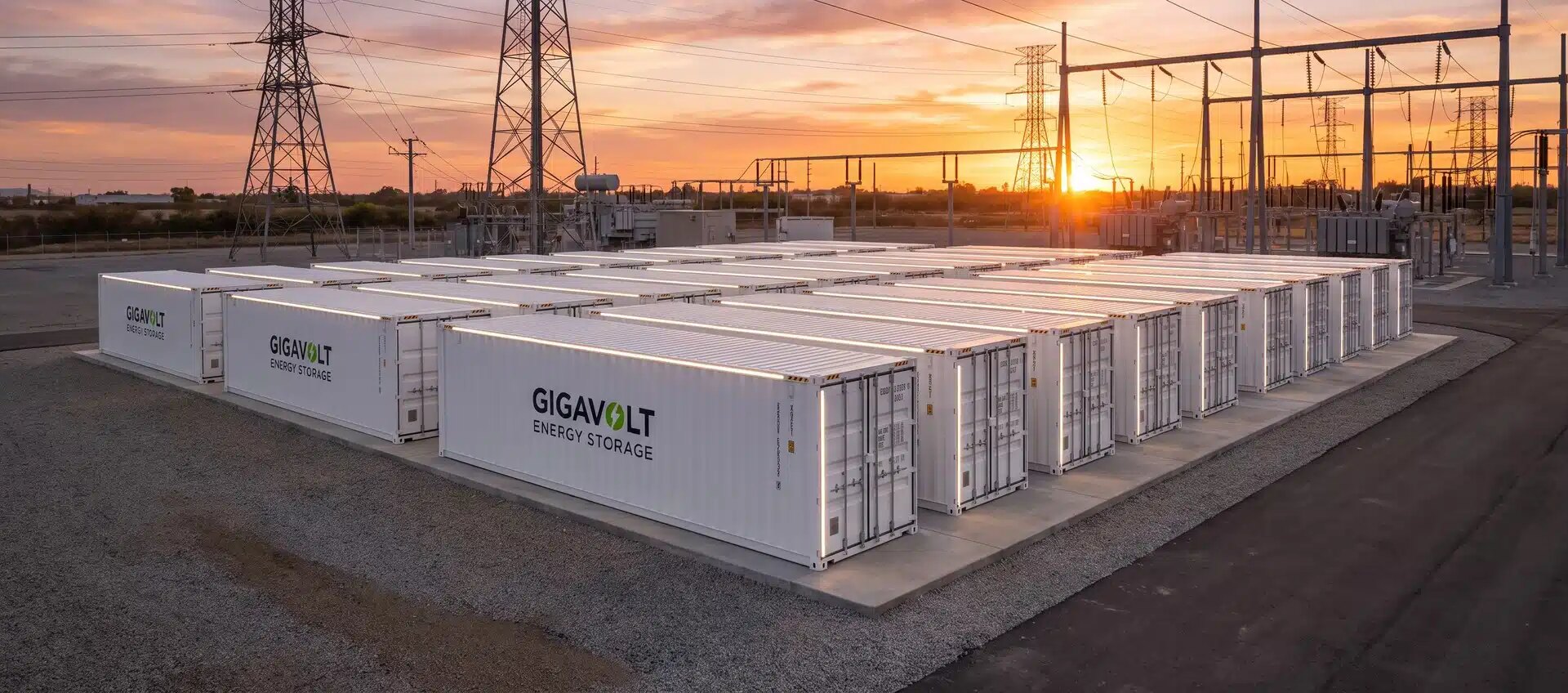
 (Credit: Intelligent Living)
In a milestone for energy storage technology, Peak Energy has selected Sacramento, California, as the home of America’s first manufacturing facility dedicated to grid-scale sodium-ion battery systems. The 183,000-square-foot plant, representing a $71 million investment, will produce up to 4 gigawatt-hours of storage annually when production begins in early 2027. That is enough output each year to serve nearly four million homes, and it signals that sodium-ion technology has moved from laboratory promise to commercial reality.
What Are Sodium-Ion Batteries, and Why Do They Matter?
Sodium-ion batteries operate on the same fundamental principle as the lithium-ion batteries found in phones, laptops, and electric vehicles. Researchers have been refining sodium-ion chemistry for years, and earlier breakthroughs in sodium-ion design helped lay the foundation for today’s commercial systems. Instead of shuttling lithium ions between electrodes, they shuttle sodium ions. The architecture and manufacturing processes are nearly identical to lithium-ion, which means existing battery production lines can be adapted with relatively modest changes—a finding supported by the International Renewable Energy Agency’s 2025 technology brief on sodium-ion batteries.
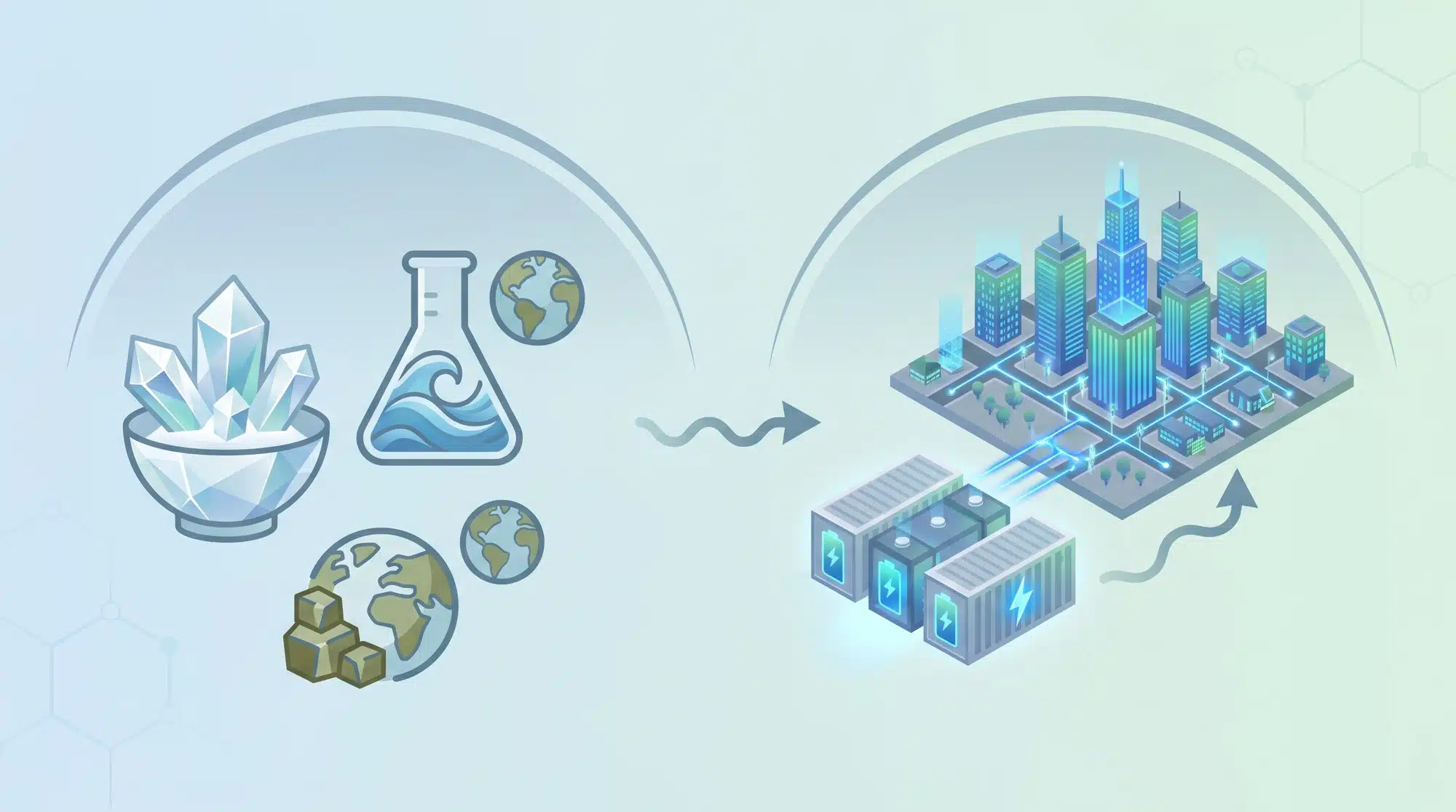
The difference comes down to the raw material. Sodium is roughly 1,000 times more abundant than lithium in the Earth’s crust and can be extracted from seawater or mined from common salt deposits. It is available on every continent and costs a fraction of what lithium commands.
Key advantages driving the shift toward sodium-ion include:
Abundant raw materials: Sodium is the sixth most abundant element on Earth, eliminating dependence on lithium, cobalt, and nickel supply chains.
Lower fire risk: Sodium-ion cells are thermally stable enough to operate without active cooling, removing a major source of battery fires.
Longer cycle life: The latest designs achieve up to 20,000 charge-discharge cycles while retaining 80% of their original capacity.
Domestic manufacturing potential: Unlike lithium-ion, which relies heavily on imported materials, sodium-ion anodes can be produced from U.S. coal, sawdust, and agricultural waste.
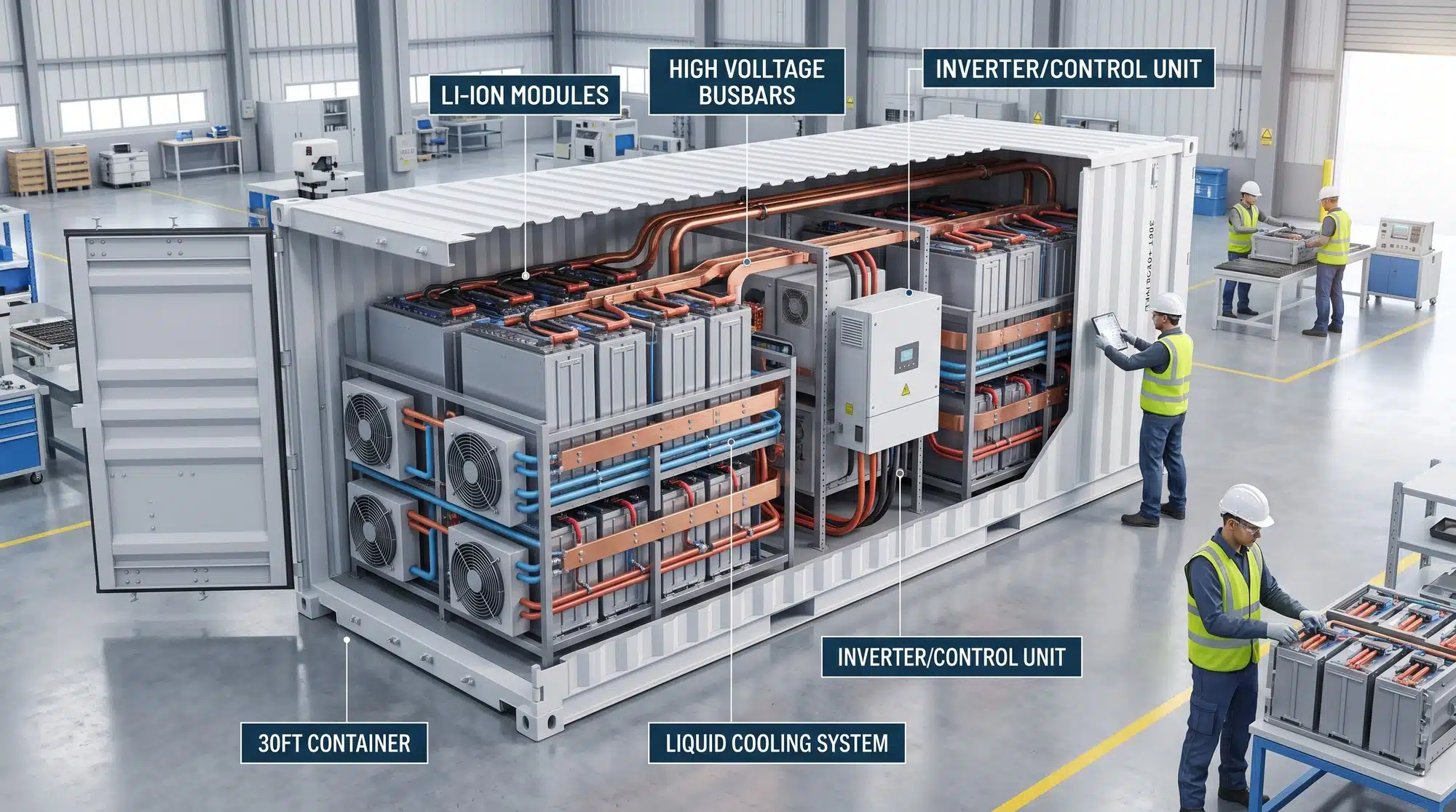
Simpler system design: Passive cooling eliminates fluid loops, fans, pumps, and fire-suppression hardware, reducing both upfront cost and ongoing maintenance.
For grid storage, where sheer volume matters more than squeezing every watt-hour into a small package, sodium-ion presents a compelling alternative.
 (Credit: Intelligent Living)
Sodium-Ion vs. Lithium-Ion: What’s the Difference?
Lithium-ion batteries currently dominate grid storage, particularly the lithium-iron-phosphate (LFP) chemistry. Sodium-ion is not trying to beat lithium-ion on every metric. Instead, it wins on abundance, safety, and total lifetime cost, even if it sacrifices some energy density along the way.
Metric
Sodium-Ion (Current)
LFP Lithium-Ion
Cell Energy Density
75 to 175 Wh/kg
175 to 200 Wh/kg
Cycle Life
Up to 20,000 cycles (80% retention)
~8,000 cycles (70% retention)
Round-Trip Efficiency
~96%
~93 to 94%
Operating Temperature
-40°C to 55°C (passive cooling)
Requires active cooling above ~25°C
Raw Material Abundance
Sodium: 23,600 ppm in Earth’s crust
Lithium: 20 ppm
Critical Minerals Required
No cobalt, no nickel needed
LFP avoids cobalt, but lithium remains critical
System Lifetime Cost
~20% lower than LFP (claimed)
Current market benchmark
Cell Cost (late 2025)
~30% more expensive than LFP at pack level
Cheaper at cell level; parity expected ~2028
The standout advantage is thermal stability. Peak Energy’s cells operate safely at temperatures up to 55 degrees Celsius, roughly double the typical limit for LFP chemistries. This eliminates the need for fluid cooling loops, fans, pumps, and fire-suppression additives, removing both upfront hardware costs and ongoing maintenance. The system is designed to operate for 20 years without scheduled maintenance, a proposition that reshapes the total cost calculation for utility-scale storage.
Inside Peak Energy’s Sacramento Gigafactory
Peak Energy, founded in 2023 by former engineers from Tesla, Enovix, and Fluence, announced its Sacramento site selection on July 8, 2026, after a nationwide search that ultimately chose California over Texas. The facility will occupy a leased shell in the Metro Air Park development near Sacramento International Airport, where SMUD power is already available on site.
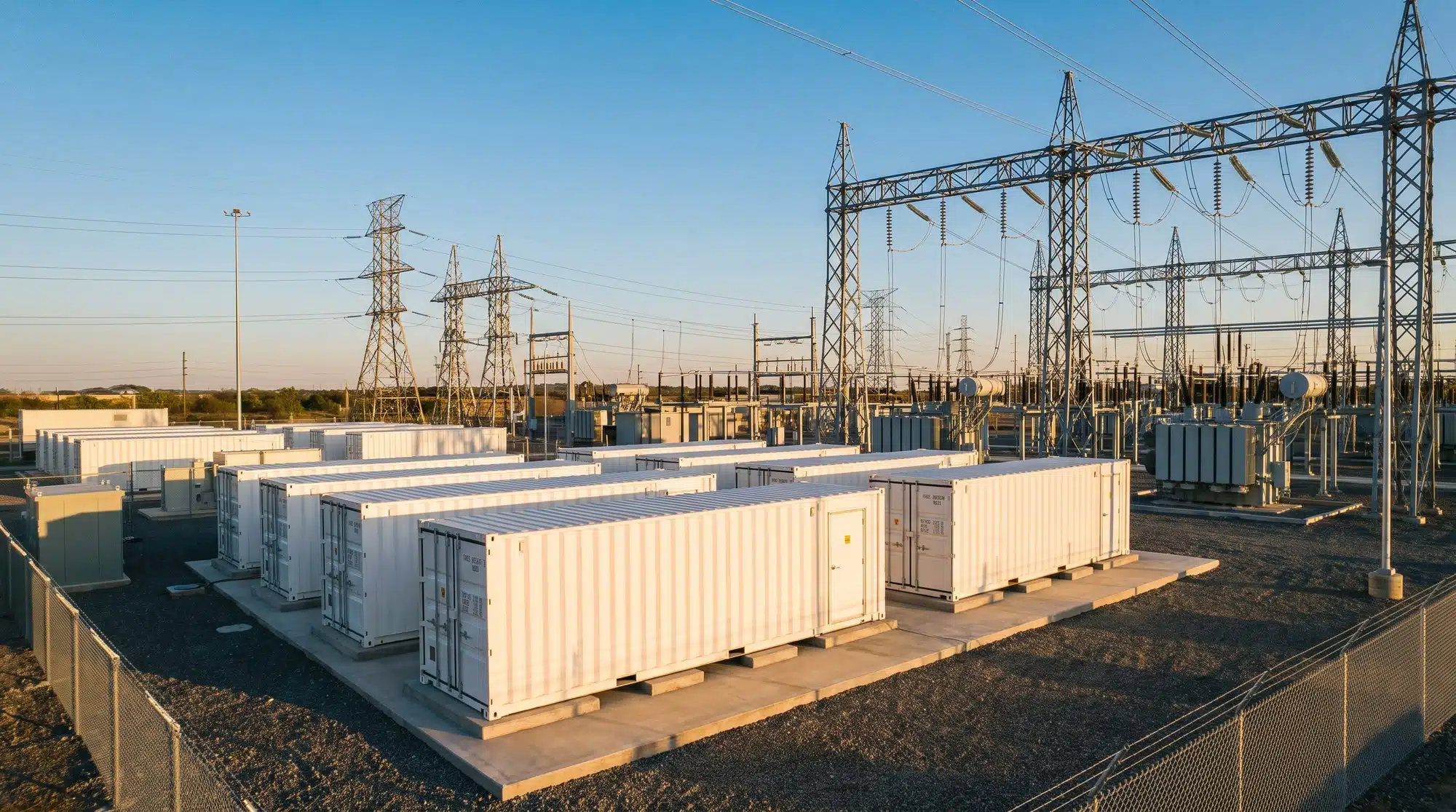
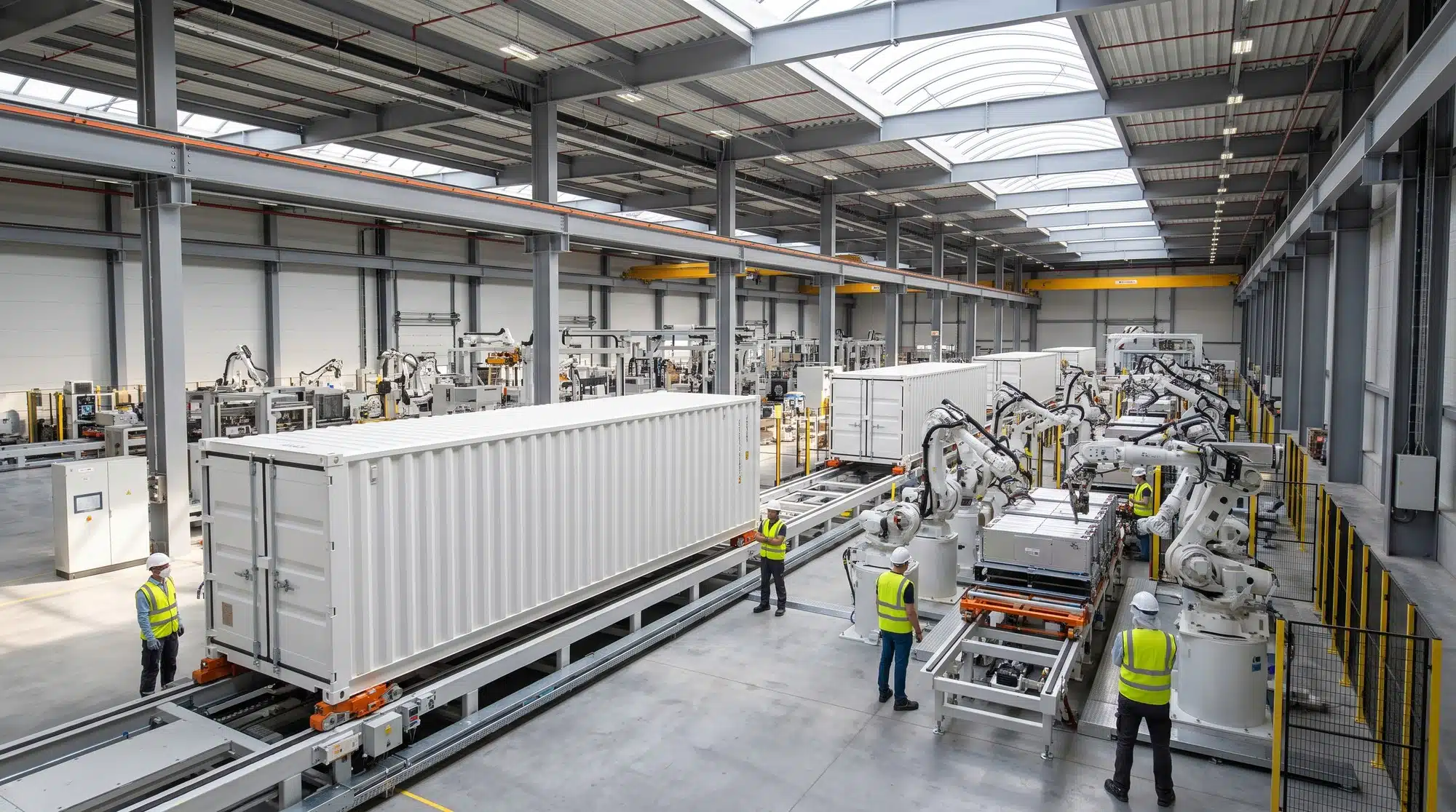
The factory is designed as a system assembly plant rather than a cell fabrication facility. Peak will receive sodium-ion cells, manufactured to its specifications by Chinese suppliers, and assemble them into complete 30-foot-long, 100,000-pound containerized storage systems. Each GS1.1 unit stores 3.1 megawatt-hours, enough to fully charge more than 40 electric vehicles.
 (Credit: Intelligent Living)
This assembly-only model is deliberate. Landon Mossburg, Peak Energy’s CEO and former president of Northvolt North America, witnessed firsthand how billion-dollar vertical integration can unravel. Northvolt filed for bankruptcy after a costly attempt to manufacture cells from scratch. Peak’s capital-light approach, by contrast, requires only the $71 million investment to reach 4 GWh of annual output, roughly 40 times the capacity of the company’s existing pilot facility in Burlingame, California.
The economic impact on Sacramento is substantial.
The plant will create 239 jobs over 18 months at an average annual wage above $90,000, supported by a $10.5 million California Competes tax credit awarded in May 2026. Co-founder Cameron Dales said the location was chosen partly to access the Bay Area’s deep bench of battery engineering talent, describing the broader region as home to a “Tesla diaspora” of experienced energy storage professionals.
Who Is Leading the Sodium-Ion Battery Race?
The sodium-ion landscape is evolving rapidly, with leadership split between the United States and China in different segments of the value chain.
In the United States, Peak Energy has emerged as the most advanced grid-scale player. It has secured more than 6 GWh of customer commitments, including a landmark deal with Jupiter Power for up to 4.75 GWh through 2030, valued at up to $500 million. Energy Vault has committed to 1.5 GWh of sodium-ion storage for AI data center applications, and RWE Americas has already deployed Peak’s first grid-scale system on the MISO grid in Wisconsin, energized in March 2026. General Motors is codeveloping sodium-ion cells with Peak at its Wallace Battery Cell Innovation Center in Michigan, testing 170- and 190-amp-hour cell formats with domestic production targeted for 2028.
China, however, remains the global heavyweight. CATL, the world’s largest battery manufacturer, unveiled its TENER Sodium energy storage system in June 2026 with a rated cycle life of 15,000 cycles and a projected 25-to-30-year service life. In April 2026, CATL signed a 60 GWh supply agreement with HyperStrong, the largest sodium-ion deal announced to date. BYD, HiNa Battery, and Farasis are also shipping commercial sodium-ion products, including batteries for a $400 electric scooter already on sale in China.
Not every sodium-ion venture has succeeded. Natron Energy canceled plans for a $1.4 billion North Carolina gigafactory in 2025 after funding ran dry. Bedrock Materials shut down entirely, citing falling lithium prices that eroded sodium-ion’s cost advantage. These failures underscore that the technology’s window of opportunity depends partly on lithium remaining expensive enough to justify the switch.
When Will Sodium-Ion Batteries Reach the Grid?
The timeline is no longer speculative. Peak Energy’s first commercial shipments from Sacramento are slated for the first quarter of 2027, with contracted deliveries to Jupiter Power, Energy Vault, and RWE Americas following shortly after. The company has publicly stated it needs to deploy over $100 million in product in 2026, up from roughly $10 million in 2025, and the Sacramento facility is sized to meet that demand.
At the system level, sodium-ion grid storage is already operating. Peak’s pilot installation at the SolarTAC testing facility in Watkins, Colorado, stores 3.5 MWh and has been running since 2025. The RWE Americas deployment in Wisconsin, energized in March 2026, marks the first time sodium-ion batteries have backed up the MISO grid, which serves 15 central U.S. states and the Canadian province of Manitoba.
 (Credit: Intelligent Living)
For individual consumers, the answer is different. Sodium-ion batteries are not yet available for home use, and they may never compete directly with residential lithium-ion products like the Tesla Powerwall. The technology’s sweet spot is utility-scale, multi-megawatt-hour installations where the system-level cost savings from passive cooling and longer cycle life outweigh the per-cell energy density penalty.
What This Means for America’s Energy Future
The Sacramento gigafactory arrives at a moment when grid-scale energy storage demand is accelerating on multiple fronts. The rapid expansion of AI data centers is driving unprecedented electricity consumption, and utilities are scrambling to add flexible capacity. Renewable energy generation from solar and wind is growing faster than the grid’s ability to absorb it, creating a pressing need for storage that can charge when supply is plentiful and discharge when demand peaks.
Sodium-ion technology also carries strategic significance for domestic supply chains, a theme explored in the broader context of battery passports and critical mineral policy. The American Battery Leadership Coalition, an industry group advocating for sodium-ion policy support, notes that sodium-ion batteries can be built almost entirely from American materials. Hard carbon anodes can be manufactured from domestic resources, including coal, sawdust, and agricultural waste. Unlike lithium-ion, which depends on a global supply chain concentrated in a handful of countries, sodium-ion offers a pathway to genuine energy storage independence.
 Sodium-ion factory concept. (Credit: Intelligent Living)
Federal policy is beginning to take notice. Industry groups are pressing Congress and executive agencies to explicitly include sodium-ion chemistry in federal battery tax credits under sections 45X and 48C of the Inflation Reduction Act, as well as in Department of Energy loan programs. According to the International Energy Agency, sodium-ion manufacturing capacity announcements have accelerated sharply since 2024, with global pipelines now exceeding 400 GWh annually. With the right policy environment, the coalition argues, the jobs, intellectual property, and industrial base for sodium-ion can remain in the United States rather than migrating overseas.
Researchers are also pushing the technology forward. In May 2026, a team at the National University of Singapore published a breakthrough in all-solid-state sodium batteries that could further reduce costs and eliminate the flammable liquid electrolytes found in both lithium-ion and current sodium-ion designs. The push toward solid-state sodium-ion manufacturing is also gaining momentum among major Asian battery makers. While still years from commercialization, the advance points toward a future where grid storage is safer, cheaper, and entirely independent of critical mineral supply chains.
Frequently Asked Questions
Why are we not using sodium-ion batteries more widely?
Sodium-ion technology faced two main barriers to adoption. First, energy density lags behind lithium-ion, which made sodium-ion uncompetitive for applications like electric vehicles and consumer electronics where space and weight are at a premium. Second, until recently, sodium-ion cells cost more to manufacture than LFP cells simply because lithium-ion had a decades-long head start in scaling production. Both barriers are now eroding. For grid storage, energy density matters less than total lifetime cost, and as factories like Peak Energy’s Sacramento plant come online, the scaling disadvantage begins to close. CATL and Peak Energy both project cell price parity with LFP around 2028.
Can I buy sodium-ion batteries now?
Not for home use. Sodium-ion batteries are currently available only at utility and commercial scale through direct procurement from manufacturers like Peak Energy and CATL. Consumer-grade sodium-ion products, such as portable power stations or home backup systems, have not yet reached the market, though several companies have announced development programs. For grid operators, utilities, and large commercial energy users, sodium-ion storage is available for order now, with deliveries beginning in 2027.
Is Peak Energy a legitimate company?
Yes. Peak Energy is a venture-backed startup founded in 2023 in the San Francisco Bay Area and led by industry veterans with backgrounds at Tesla, Enovix, Fluence, and Northvolt. The company has secured binding customer commitments exceeding 6 GWh from major energy players, including Jupiter Power, Energy Vault, and RWE Americas. Its technology has been deployed and is operating on the MISO grid. A codevelopment partnership with General Motors and a $10.5 million California Competes tax credit provide further validation. In June 2026, GM’s vice president of batteries and sustainability, Kurt Kelty, publicly stated that Peak’s cells are “kicking butt over everything” in testing.
Who is the biggest producer of sodium-ion batteries?
CATL, headquartered in Ningde, China, is the world’s largest producer of sodium-ion batteries by a wide margin. The company’s Naxtra brand claims a cell-level energy density of 175 Wh/kg and cycle lives exceeding 15,000 cycles. CATL’s April 2026 supply agreement with HyperStrong for 60 GWh of sodium-ion cells dwarfs all other announced deals combined. In the United States, Peak Energy is the leading grid-scale sodium-ion company, with its Sacramento facility set to become the country’s largest dedicated sodium-ion manufacturing plant when production begins in 2027.
How do sodium-ion batteries improve grid reliability?
Sodium-ion batteries improve grid reliability in three ways. They can charge when renewable generation is abundant and discharge when demand peaks, smoothing the mismatch between supply and consumption. Their wide operating temperature range and passive cooling design eliminate points of failure common in lithium-ion systems, such as coolant pump malfunctions. And because they are designed for more than 20,000 charge-discharge cycles over 20 years, utilities can count on them as long-duration assets rather than short-term stopgaps. For grid operators, this translates to fewer unplanned outages, lower maintenance costs, and the ability to defer building new fossil-fuel peaker plants.
The Road Ahead
The Sacramento gigafactory is more than a single company’s expansion. It represents the first large-scale test of whether sodium-ion technology can deliver on its promise of cheaper, safer, and more sustainable grid storage at a scale that actually moves the needle for the U.S. electricity system. With 6 GWh of customer commitments already on the books and production set to begin within months, the answer will arrive sooner than many expect. If Peak Energy succeeds where earlier sodium-ion ventures stumbled, the batteries keeping America’s lights on may soon run on one of the most common elements on Earth.