
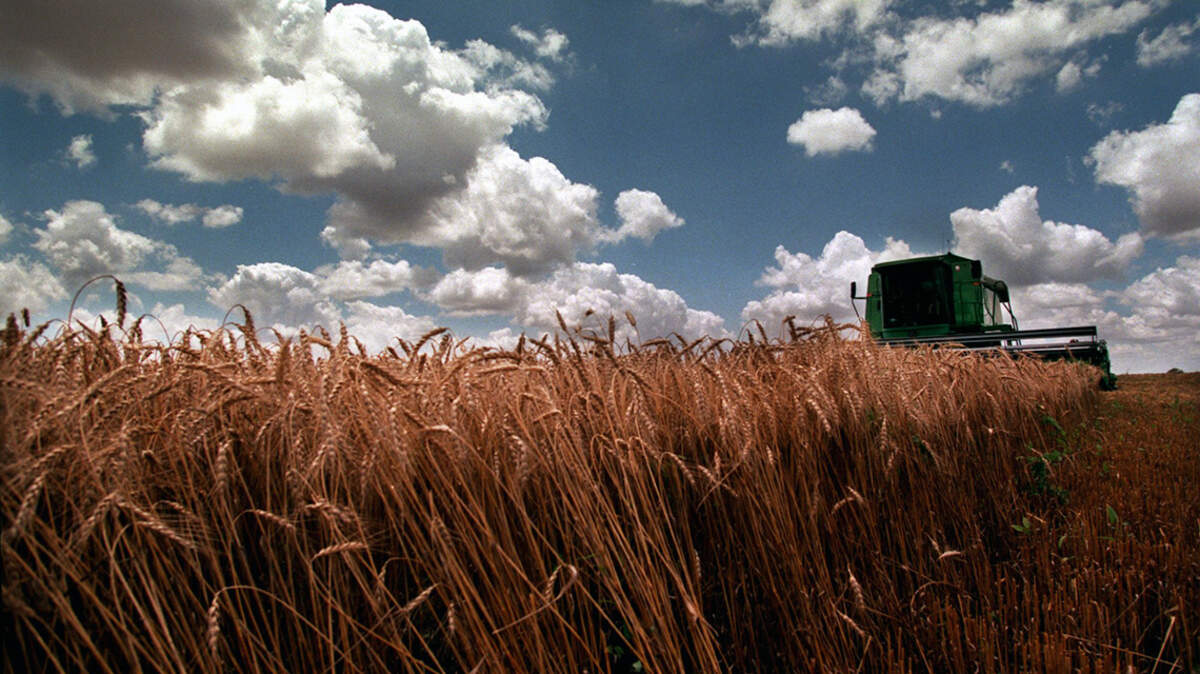
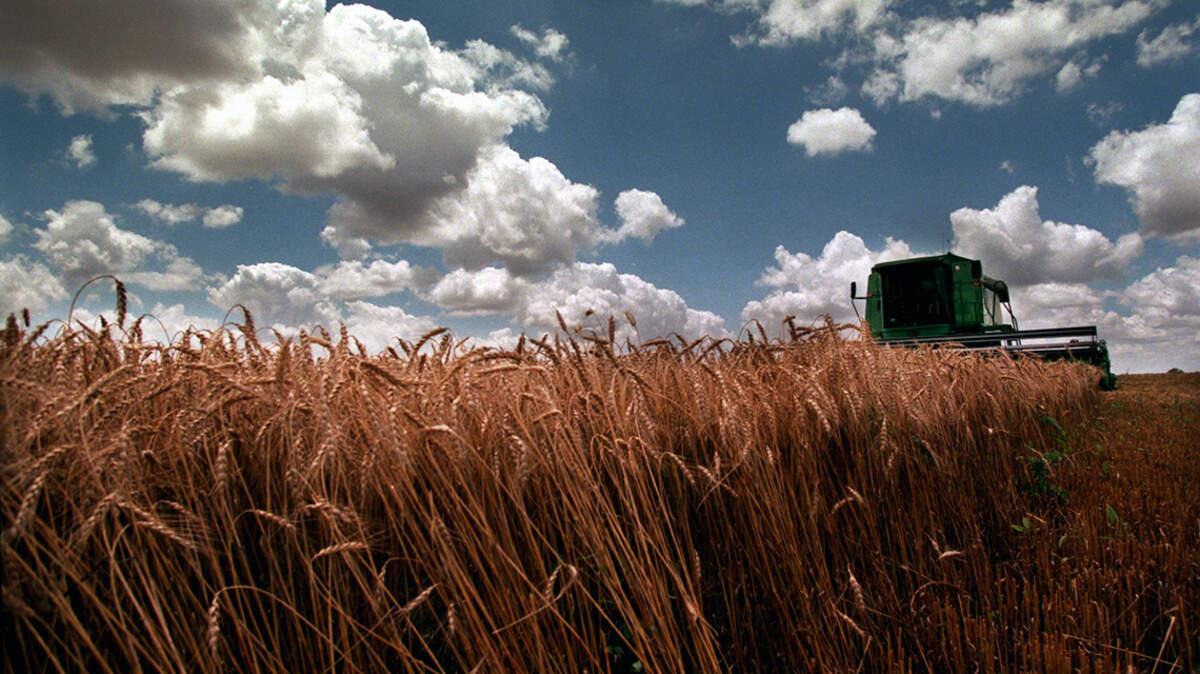
To comply with SGMA, growers can plant flexible, low-water cereals and forages that use minimal irrigation, support livestock markets and reduce dust impacts.
Star file photo
Growers in the San Joaquin Valley know they have to reduce groundwater pumping — and not just because it’s the law. The 2014 Sustainable Groundwater Management Act (SGMA) mandates that overdrafted areas bring their groundwater basins into balance by the early 2040s.
Local water agencies — which are in charge of ensuring that pumping levels are brought down to sustainable levels — are turning to fallowing cropland to reduce groundwater use. But fallowing can create more issues, including economic losses to farmers and related businesses, the spread of weeds to neighboring farms and poor air quality due to increased dust.
Many growers may wonder about other options. Is fallowing the only way to reduce their water footprint? Or are there alternative crops or business models that could help them adapt to this new water reality? We may have found one.
In recent research with university partners, we found that some familiar crops — namely cereals and forages like wheat, rye and triticale — are well-suited for production with very limited irrigation. These crops can still be productive even when growing conditions aren’t ideal, often with as little as four inches of irrigation. Compare this to the irrigation needs of alfalfa, the valley’s most common forage crop, which hover around four feet.
The water savings are obvious, and they are less costly to produce than many specialty crops like nuts and fruits, which means they can pencil out for farmers with little water to spare.
The viability of this strategy will vary by location, rainfall and how much irrigation water is available. The strategy may make sense for growers in areas with low land rents that are located near livestock operations. For growers with land that would otherwise sit idle, even locations with low yields may still be worth planting to offset unavoidable costs.
While we don’t expect huge returns on acreage planted with winter forages, we estimate that the average location will earn $24 an acre with 4 inches of irrigation (though returns range widely). With 8 inches of irrigation, earnings would rise to an average of $93 an acre. In drier years, most locations will lose money, but in wetter years almost all will make money.
A few other considerations work in favor of “SGMA-ready” crops.
First, when managed appropriately, they use very little additional water — often only an inch or two — compared to fallowed land. Grown in the winter, they can make the most of rainfall and minimal irrigation water.
Second, these crops can be flexibly managed according to seasonal weather conditions — harvested early as forage when the year is dry, or at maturity as grain when the rain is right.
And third, there are ready-made local markets for these crops that growers can plug into, particularly feed for California’s large livestock industry.
Let’s be clear: almonds, pistachios, grapes, tomatoes and other signature California crops are not going anywhere. Prime farmland with good water resources will likely be reserved for these profitable crops. But more marginal land, especially land that lies near a good market for animal feed, can still be productive.
With water supplies so uncertain, flexibility is the name of the game. SGMA-ready crops are far from a panacea, but they could help keep land in farming, cover costs for growers as they consider how to adapt their operations and reduce the unwanted side effects of widespread farmland fallowing.
Small changes in state and local policies can give farmers the cushion they need to experiment with changes in their crop portfolios. A natural first step is to ensure that growing SGMA-ready crops isn’t discouraged by groundwater accounting rules that assume that fallowing is the only way to reduce demand. Targeted incentives and support programs can help reduce the risk of changing crops or management practices in areas where yields are likely to be lower. Farmers themselves are well-equipped to do the rest.
Caitlin Peterson, an agroecologist, is associate director and a research fellow at the Public Policy Institute of California (PPIC) Water Policy Center. Bradley Franklin, an agricultural and environmental economist, is a research fellow at the PPIC Water Policy Center.
Related Stories from Fresno Bee